How Pregnancy Affects Your Skin: Expert Skincare Tips
Introduction
Pregnancy is a beautiful journey filled with anticipation and excitement, but it also comes with a myriad of physical changes, including those that affect the skin. Many women experience a range of skin changes during pregnancy, influenced by hormonal fluctuations, increased blood flow, and other factors. While some of these changes can be temporary, others may have lasting effects. Understanding how pregnancy impacts the skin and knowing how to care for it can help expectant mothers feel more confident and comfortable during this transformative time.
Common Skin Changes During Pregnancy
1. Hormonal Changes
One of the primary drivers of skin changes during pregnancy is hormonal fluctuations. Increased levels of estrogen and progesterone can lead to:
- Increased Oil Production: Many women find that their skin becomes oilier, particularly in the first and second trimesters. This can lead to acne breakouts, similar to what some may have experienced during their teenage years.
- Hyperpigmentation: Increased melanin production can result in darker patches of skin, known as melasma or “the mask of pregnancy.” These dark patches often appear on the face, particularly the cheeks, forehead, and upper lip.
- Stretch Marks: As the body expands to accommodate a growing baby, many women develop stretch marks (striae gravidarum), which are often pink, purple, or dark brown streaks on the abdomen, thighs, or breasts. They may fade to a lighter color postpartum but often remain visible.
2. Increased Sensitivity
Pregnant women may experience heightened skin sensitivity due to hormonal shifts. This can lead to:
- Allergic Reactions: Some women may find that products they previously used without issue now cause irritation or allergic reactions. Ingredients that were once well-tolerated might become problematic during pregnancy.
- Rashes and Skin Conditions: Conditions such as eczema or acne can flare up, and some women may experience pregnancy-specific rashes, like pruritic urticarial papules and plaques of pregnancy (PUPPP), characterized by itchy red bumps.
3. Changes in Blood Flow
Increased blood flow during pregnancy can lead to changes in skin appearance:
- “Pregnancy Glow”: Many women experience an increased blood supply to the skin, giving it a healthy, radiant appearance often referred to as the “pregnancy glow.” This effect is more pronounced in the first trimester and may diminish as pregnancy progresses.
- Spider Veins: The added blood volume can also result in the development of spider veins (small, dilated blood vessels) on the legs or face, particularly in later pregnancy.
Skincare Tips for Pregnant Women
Understanding the skin changes that occur during pregnancy is essential, but knowing how to care for your skin can make a significant difference in maintaining its health and appearance. Here are some effective skincare tips for expectant mothers:
1. Establish a Gentle Skincare Routine
- Cleanser: Choose a gentle, hydrating cleanser that won’t strip your skin of its natural oils. Look for sulfate-free formulas that cleanse without causing irritation.
- Moisturizer: Keeping the skin well-moisturized is essential, especially for those experiencing dryness or oiliness. Look for non-comedogenic, fragrance-free moisturizers suitable for your skin type. Ingredients like hyaluronic acid, glycerin, and ceramides can provide excellent hydration.
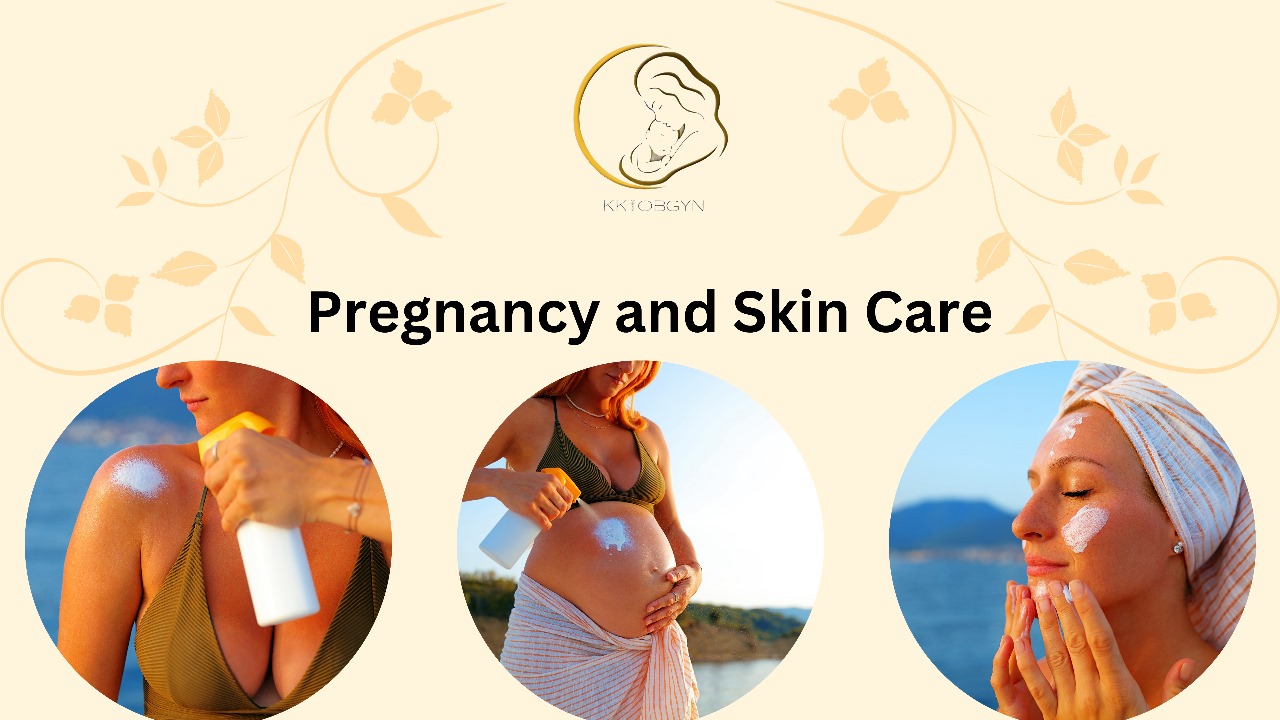
- Sunscreen: Protecting your skin from the sun is crucial during pregnancy, especially if you are prone to hyperpigmentation. Use a broad-spectrum sunscreen with an SPF of 30 or higher daily, even on cloudy days. Physical sunscreens containing zinc oxide or titanium dioxide are generally safe for pregnant women.
2. Be Mindful of Ingredients
- Avoid Certain Ingredients: Some skincare ingredients may not be recommended during pregnancy. These include:
- Retinoids: Often found in anti-aging products, retinoids are derived from vitamin A and can be harmful during pregnancy. Instead, consider using alternatives like vitamin C or niacinamide.
- Salicylic Acid: High concentrations of salicylic acid (found in some acne treatments) should be avoided. Opt for products with lower concentrations or natural alternatives like tea tree oil, which may be safer.
- Hydroquinone: This skin-lightening agent should also be avoided during pregnancy due to potential risks.
- Natural Ingredients: Consider using skincare products with natural ingredients known for their safety and efficacy, such as aloe vera, chamomile, and green tea extract.
3. Stay Hydrated
- Internal Hydration: Drinking plenty of water is essential for overall skin health. Hydration helps maintain skin elasticity and can minimize dryness or flakiness.
- External Hydration: Incorporate hydrating products such as facial mists or serums containing hyaluronic acid to provide an extra boost of moisture, particularly in dry environments.
4. Manage Stretch Marks
- Moisturizers and Oils: While genetics play a significant role in stretch mark development, keeping the skin moisturized can help. Consider using natural oils, such as coconut oil, almond oil, or shea butter, to keep the skin supple.
- Consistency is Key: Regularly applying moisturizer or oil to areas prone to stretch marks (like the abdomen, hips, and thighs) may help improve skin elasticity.
5. Address Acne and Breakouts
- Gentle Exfoliation: Regular exfoliation can help unclog pores and reduce acne breakouts. Opt for mild exfoliants like lactic acid or glycolic acid, which can promote cell turnover without being too harsh on the skin.
- Consult a Dermatologist: If acne becomes severe, consult a dermatologist who specializes in treating pregnant women. They can recommend safe topical treatments that can help manage breakouts.
6. Stress Management
- Practice Self-Care: Pregnancy can be a stressful time, and managing stress is crucial for both physical and mental well-being. Engage in relaxation techniques such as prenatal yoga, meditation, or deep breathing exercises to promote overall wellness.
- Connect with Others: Building a support network with other expectant mothers can provide emotional support and help alleviate feelings of anxiety or stress.
Postpartum Skincare
After childbirth, many women find that their skin continues to change. Here are some postpartum skincare tips:
- Adjust Your Routine: Your skin may react differently postpartum due to hormonal changes. Pay attention to how your skin responds and adjust your skincare routine accordingly.
- Breastfeeding Considerations: If you are breastfeeding, be mindful of the products you use, as some ingredients can be absorbed and may affect your baby. Opt for gentle, natural products whenever possible.
- Seek Professional Advice: If you experience significant skin issues postpartum, such as severe acne or hyperpigmentation, consider consulting a dermatologist for personalized guidance and treatment options.
Conclusion
Pregnancy brings about a multitude of changes, and understanding how these changes affect the skin can empower expectant mothers to care for themselves effectively. By establishing a gentle skincare routine, being mindful of ingredients, staying hydrated, and managing stress, pregnant women can maintain healthy, glowing skin throughout their journey. Remember, each pregnancy is unique, and what works for one person may not work for another. Listen to your body, consult professionals when needed, and embrace the beauty of this transformative time.
Pregnancy skin changes are a normal part of your journey to motherhood. Hormonal fluctuations, increased blood flow, and skin sensitivity can cause acne, melasma, stretch marks, and other pregnancy skin changes throughout your trimesters. Understanding these pregnancy skin changes helps you feel confident during this transformative time. At Dr KY Kakudji INC, we support your complete wellness—from obstetric care to answering questions about managing pregnancy skin changes with safe, effective skincare strategies tailored to your needs.