

Introduction
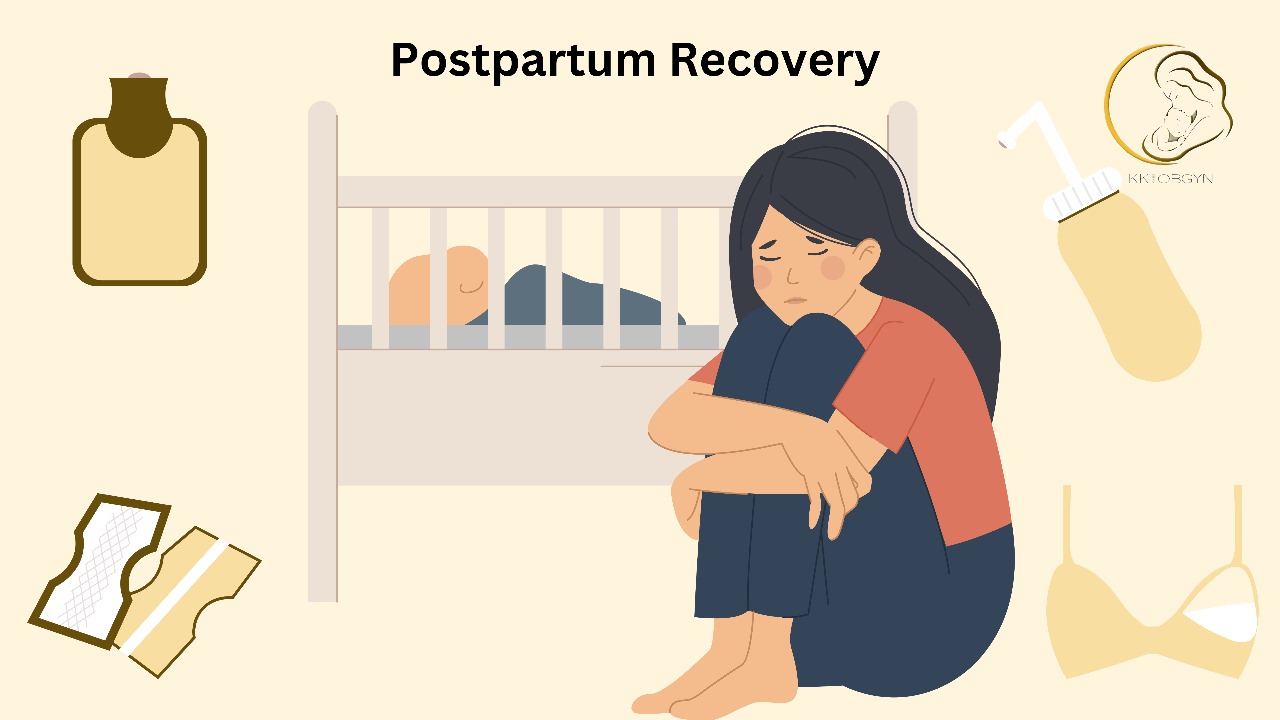
The postpartum period, often referred to as the “fourth trimester,” is a time of significant adjustment for new mothers as they navigate the physical and emotional changes following childbirth. While much emphasis is placed on prenatal care and the delivery process, the postpartum phase is equally critical and often under-discussed. Understanding what to expect during postpartum recovery can empower new mothers to take care of themselves and seek the support they need. This blog aims to shed light on the realities of postpartum recovery, addressing common physical and emotional challenges, self-care strategies, and the importance of seeking help.
The Physical Changes of Postpartum Recovery
The body undergoes numerous transformations during pregnancy, and these changes continue after delivery. Here are some common physical aspects of postpartum recovery:
1. Vaginal Discomfort and Healing
For those who have had a vaginal delivery, recovery can involve:
- Perineal Discomfort: The perineum, the area between the vagina and anus, may feel sore or swollen after delivery, especially if an episiotomy was performed or if there were any tears.
- Lochia: This refers to the vaginal discharge that occurs post-delivery, consisting of blood, mucus, and uterine tissue. Lochia typically lasts for several weeks, gradually changing from bright red to pink and then to a yellowish-white color.
- Pelvic Floor Weakness: The pelvic floor muscles may be weakened after childbirth, leading to issues such as urinary incontinence or pelvic organ prolapse. These issues can often be addressed through pelvic floor exercises.
2. Uterine Contractions
After delivery, the uterus continues to contract as it returns to its pre-pregnancy size. This process, known as involution, can cause cramping, often referred to as “afterpains.” These cramps may be more noticeable during breastfeeding due to the release of oxytocin, a hormone that helps the uterus contract.
3. Breast Changes
Whether breastfeeding or not, mothers may experience:
- Breast Engorgement: This occurs when the breasts become overly full with milk, leading to discomfort and swelling. Proper breastfeeding techniques can help alleviate this issue.
- Nipple Pain and Sensitivity: New mothers may experience soreness or cracks in the nipples, particularly during the early days of breastfeeding.
4. Hormonal Fluctuations
The postpartum period is characterized by significant hormonal changes as the body adjusts after childbirth:
- Mood Swings: Rapid shifts in hormones can lead to mood swings, irritability, and feelings of sadness or anxiety. This is sometimes referred to as “baby blues,” which typically resolve within a couple of weeks.
- Postpartum Depression: For some women, these feelings may escalate into postpartum depression (PPD), a more severe and persistent condition that requires professional intervention. It’s essential to recognize the signs and seek help if feelings of sadness, hopelessness, or detachment from the baby persist beyond the initial weeks.
Emotional Challenges in the Postpartum Period
Beyond physical changes, the emotional landscape during postpartum recovery can be complex. Here are some common emotional challenges new mothers may face:
1. Adjusting to Motherhood
The transition to motherhood can be overwhelming, with new responsibilities, lack of sleep, and adjustments to routines. Feelings of uncertainty and inadequacy may arise as new mothers navigate caring for their newborns.
2. Relationship Dynamics
The arrival of a baby can shift dynamics in relationships. Partners may find themselves adjusting to new roles, and communication may become strained as both parents cope with the demands of caring for a newborn. It’s important to prioritize open communication and support each other during this adjustment.
3. Identity Changes
Becoming a mother often prompts a reevaluation of personal identity. Many women may grapple with balancing their previous selves with their new roles, leading to feelings of loss or confusion about their identities.
Self-Care Strategies for Postpartum Recovery
Prioritizing self-care is essential during the postpartum period. Here are some effective strategies to support recovery and well-being:
1. Rest and Sleep
- Prioritize Sleep: New mothers may struggle to find time for adequate sleep, but rest is crucial for recovery. Consider napping when the baby sleeps and accepting help from partners or family members to ensure you can rest.
- Sleep Hygiene: Create a calming bedtime routine to improve sleep quality. This may include dimming lights, reducing screen time, and engaging in relaxing activities before bed.
2. Nutrition and Hydration
- Balanced Diet: A well-balanced diet is vital for postpartum recovery, especially for breastfeeding mothers. Incorporate nutrient-rich foods, including fruits, vegetables, whole grains, lean proteins, and healthy fats to support healing and energy levels.
- Stay Hydrated: Drink plenty of water throughout the day to stay hydrated, particularly if breastfeeding. Keeping water accessible can help you remember to drink regularly.
3. Gentle Exercise
- Start Slowly: After receiving clearance from a healthcare provider, gradually introduce gentle exercises to promote recovery and boost mood. Walking is an excellent low-impact option to start with.
- Pelvic Floor Exercises: Incorporating pelvic floor exercises, such as Kegels, can help strengthen the pelvic floor and improve bladder control.
4. Seek Support
- Communicate with Loved Ones: Reach out to friends and family for support, whether it’s emotional support or practical help with household tasks. Sharing your feelings can ease the burden.
- Join a Support Group: Consider joining a postpartum support group where you can connect with other new mothers who share similar experiences. This can provide a sense of community and validation during this challenging time.
5. Professional Help
- Consult Healthcare Providers: If physical or emotional challenges persist, don’t hesitate to seek help from healthcare professionals. They can provide guidance, resources, and treatment options for postpartum complications.
- Therapy and Counseling: If experiencing overwhelming feelings of sadness, anxiety, or isolation, consider speaking with a therapist or counselor who specializes in postpartum mental health. Therapy can provide valuable coping strategies and emotional support.
When to Seek Medical Attention
While some discomfort is normal during postpartum recovery, it’s important to be aware of signs that may require medical attention:
- Severe Pain: If you experience severe abdominal pain, especially if accompanied by fever, chills, or foul-smelling discharge, seek medical attention immediately.
- Heavy Bleeding: If you soak through a pad within an hour or pass large clots, contact your healthcare provider, as this could indicate a complication.
- Signs of Infection: Symptoms such as redness, swelling, or increased pain at the incision site (if you had a cesarean section) or persistent fever may signal an infection that needs treatment.
- Mental Health Concerns: If feelings of depression or anxiety persist or worsen, it’s crucial to seek help. Postpartum depression is a serious condition that requires professional support.
Conclusion
Postpartum recovery is a multifaceted journey that encompasses both physical healing and emotional adjustment. Understanding the challenges new mothers face during this period can foster compassion and awareness, helping them navigate their recovery with greater ease. By prioritizing self-care, seeking support, and addressing any concerns with healthcare providers, new mothers can empower themselves during this transformative time. Remember, postpartum recovery is a gradual process, and it’s essential to be kind to yourself as you embrace the joys and challenges of motherhood.