

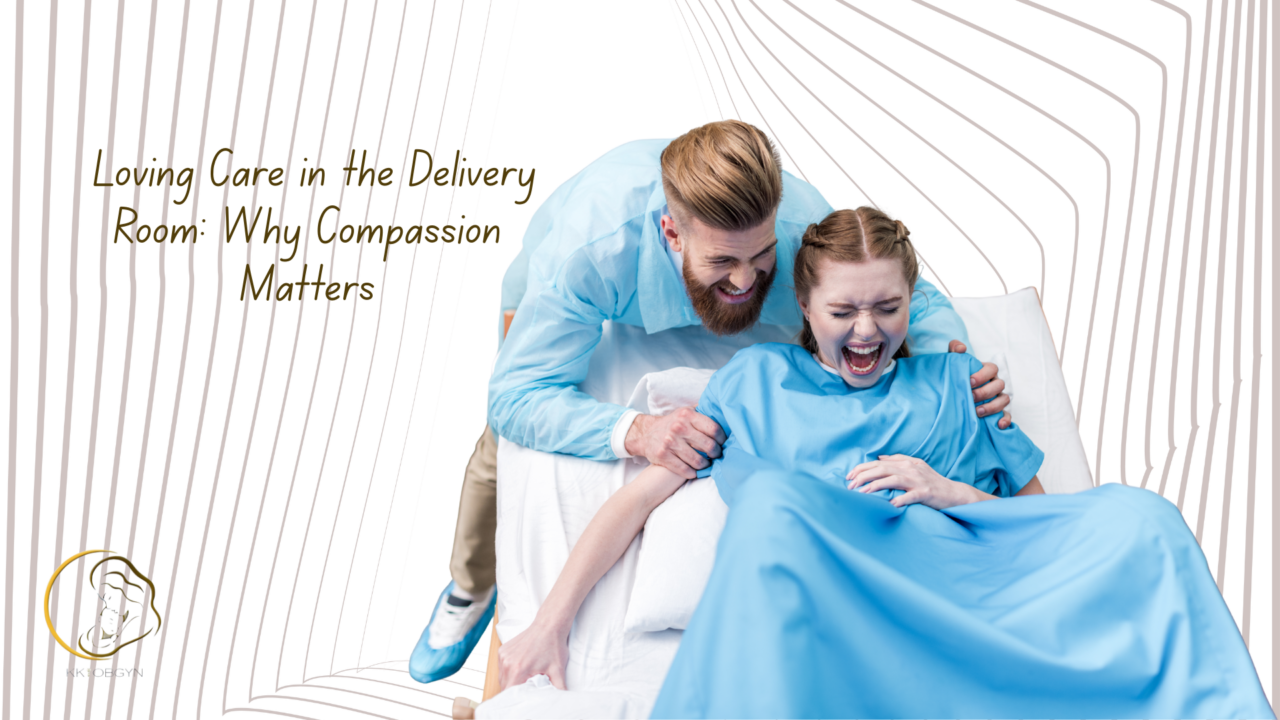
Loving Care in the Delivery Room: Why Compassion Matters for Safe Birth
Introduction
The delivery room is a space of profound vulnerability, anticipation, and life-changing moments. For birthing individuals, compassion from healthcare providers and support partners can transform the experience, while lack of empathy can amplify fear, stress, and trauma.
Compassionate care in the delivery room is not just a nicety, it directly affects the birthing person’s physical comfort, emotional wellbeing, and the bond with their newborn. Understanding why compassion matters helps healthcare teams, partners, and families create a supportive environment that fosters confidence, trust, and positive birth experiences.
The Role of Compassion in Labor and Delivery
Emotional Safety
feeling understood and respected reduces anxiety and fear, which can positively impact labor progress and pain perception.
Physical Comfort
Providers who communicate empathetically and respond to needs are better able to manage pain, positioning, and interventions effectively.
Partner Support
Partners guided by compassionate communication can provide targeted reassurance, advocacy, and comfort, enhancing the overall experience.
Common Delivery Room Challenges
| Challenge | Potential Emotional Impact | Role of Compassion |
|---|---|---|
| Unexpected interventions | Anxiety, fear, loss of control | Clear explanations, reassurance, shared decision-making |
| Pain or discomfort | Distress, tension | Empathetic support, pain management options |
| Communication gaps | Isolation, frustration | Active listening, clear updates, validation of feelings |
| Conflicting expectations | Stress, disappointment | Collaborative approach, involvement in decisions |
Compassion acts as a buffer against the emotional toll of these challenges.
Symptom Checklist: Signs Compassion Can Improve Delivery Experience
| Experience | Yes | No |
|---|---|---|
| Anxiety about birth | ⬜ | ⬜ |
| Fear of losing control | ⬜ | ⬜ |
| Concern about being heard | ⬜ | ⬜ |
| Previous traumatic birth experiences | ⬜ | ⬜ |
| Uncertainty about interventions | ⬜ | ⬜ |
Addressing these through compassionate care improves outcomes and satisfaction.
Normal Support vs Insufficient Care
| Situation | Normal Support | Needs Improvement |
|---|---|---|
| Partner involvement encouraged | ✔ | ❌ |
| Staff communicates clearly and empathetically | ✔ | ❌ |
| Patient consent and autonomy respected | ✔ | ❌ |
| Patient feels unheard or ignored | ❌ | ✔ |
| Emotional support absent during complications | ❌ | ✔ |
These distinctions highlight how care quality impacts both emotional and physical outcomes.
Practical Ways to Foster Compassionate Care
For Healthcare Providers
- Communicate clearly and frequently
- Respect patient autonomy and choices
- Offer continuous emotional support
- Recognize and validate pain and fear
For Partners
- Stay present and attentive
- Advocate for the birthing person’s wishes
- Provide reassurance and physical comfort
- Communicate calmly with healthcare providers
For Patients
- Voice needs and preferences ahead of time
- Identify supportive allies (partner, doula, nurse)
- Use coping strategies and relaxation techniques
- Trust your body’s capability while seeking help when needed
The Ripple Effect of Compassion
Compassionate care does not end in the delivery room. Positive birth experiences:
- Enhance maternal-infant bonding
- Improve postpartum emotional wellbeing
- Increase confidence in parenting
- Strengthen partner relationships
Conversely, negative or impersonal care can contribute to birth trauma, anxiety, and postpartum depression.
Conclusion
Compassion in the delivery room is essential for safe, empowering, and positive birth experiences. It is a shared responsibility among healthcare providers, partners, and support networks. Through empathy, clear communication, and validation, birth becomes not only a medical event but a meaningful, confidence-building experience.
Loving care ensures that the moment of bringing life into the world is met with respect, understanding, and deep emotional support, laying the foundation for healthier families and more connected parenthood.
Compassionate delivery room care is far more than kindness—it's a clinical necessity that directly impacts birth outcomes and maternal health. When healthcare providers deliver compassionate care through clear communication, emotional validation, and respect for patient autonomy, birthing individuals experience reduced anxiety, better pain management, and improved emotional wellbeing. Research demonstrates that compassionate delivery room care strengthens the maternal-infant bond, accelerates recovery, and significantly reduces the risk of birth trauma and postpartum depression. At Dr KY Kakudji INC in Randfontein, we prioritize compassionate care as a cornerstone of our obstetric practice, ensuring every patient feels heard, respected, and supported during this transformative moment.