
Loving a Body That Has Carried Life: Postpartum Body Acceptance
Introduction
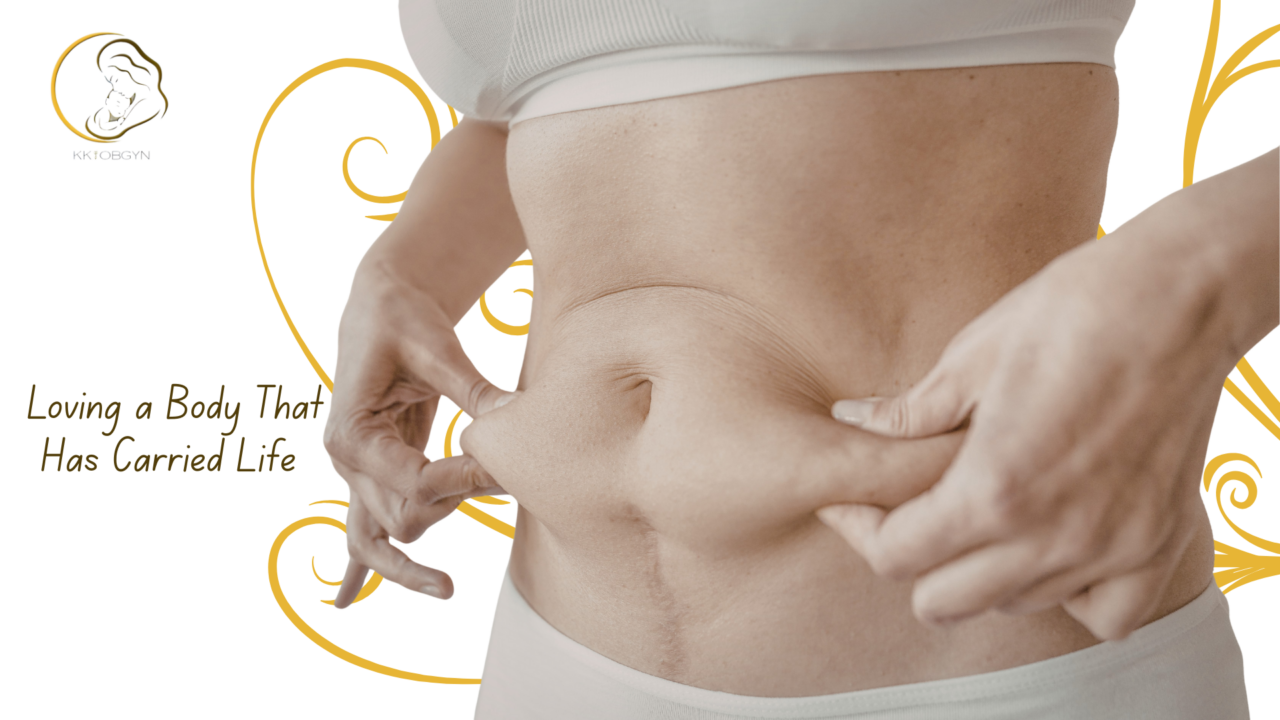
Pregnancy and childbirth transform a woman’s body in profound ways. The body that once housed and nourished life may now look and feel different, stretch marks, weight changes, breast shifts, and pelvic changes are all part of this journey. For many women, learning to love and accept these changes is as challenging as it is necessary.
Body image and self-love are deeply intertwined with emotional health, sexual intimacy, and overall wellbeing. Accepting and appreciating a body that has carried life is not merely cosmetic—it is a radical act of gratitude, self-respect, and mental health.
Common Post-Pregnancy Physical Changes
| Change | Frequency | Notes |
|---|---|---|
| Stretch marks | Very common | Often fade over time but rarely disappear completely |
| Weight fluctuations | Very common | Gradual return to pre-pregnancy weight varies per individual |
| Breast changes | Common | Sagging, enlargement, or asymmetry due to lactation |
| Abdominal changes | Common | Diastasis recti or softer muscle tone may occur |
| Vaginal/pelvic changes | Common | Slight widening or pelvic floor weakness is typical |
These changes are normal and reflect the body’s remarkable capability.
Emotional and Psychological Impact
Physical changes often affect self-esteem and emotional wellbeing. Common feelings include:
- Insecurity or discomfort with appearance
- Anxiety about sexual attractiveness
- Frustration over slow recovery
- Guilt or comparison to pre-pregnancy body
Acknowledging these feelings is the first step toward cultivating self-love.
Symptom Checklist: Adjusting to Postpartum Body Changes
| Experience | Yes | No |
|---|---|---|
| Feeling self-conscious | ⬜ | ⬜ |
| Difficulty accepting appearance | ⬜ | ⬜ |
| Anxiety about intimacy | ⬜ | ⬜ |
| Frustration over physical recovery | ⬜ | ⬜ |
| Desire for external validation | ⬜ | ⬜ |
If multiple boxes are checked, supportive strategies may be helpful.
Normal Adjustments vs Signs of Emotional Strain
| Situation | Normal Adjustment | Needs Support |
|---|---|---|
| Feeling self-conscious occasionally | ✔ | ❌ |
| Mood fluctuations postpartum | ✔ | ❌ |
| Persistent negative body image | ❌ | ✔ |
| Avoidance of intimacy due to shame | ❌ | ✔ |
| Signs of postpartum depression or anxiety | ❌ | ✔ |
Professional support from therapists or counselors can assist in restoring body confidence.
Practical Steps Toward Loving Your Postpartum Body
1. Celebrate Function Over Form
- Acknowledge what your body accomplished: carrying and delivering life.
- Focus on strength and resilience rather than aesthetic ideals.
2. Gentle Physical Care
- Engage in safe postpartum exercises
- Practice Pelvic floor therapy if recommended
- Maintain balanced nutrition and rest
3. Mental and Emotional Practices
- Positive affirmations and self-compassion
- Journaling about gratitude for the body
- Limiting harmful social comparisons
4. Partner Support
- Open conversations about body image and intimacy
- Reassurance of attraction and love
- Shared activities that celebrate connection, not appearance
When to Seek Support
Consider professional support when:
- Negative body image persists beyond several months
- Self-esteem issues affect intimacy or daily life
- Signs of postpartum depression or anxiety are present
Counseling, support groups, or therapy can provide strategies for self-acceptance and emotional wellbeing.
Conclusion
A body that has carried life is remarkable, resilient, and deserving of love and appreciation. Postpartum changes are natural and should be honored rather than judged.
By focusing on gratitude, function, and self-care and seeking support when necessary, women can rebuild confidence, embrace intimacy, and nurture a loving relationship with themselves and their partners.
Loving a postpartum body is not just self-care; it is an affirmation of the incredible journey of motherhood.
Postpartum body acceptance is a crucial part of your healing journey after pregnancy and childbirth. Many women struggle with postpartum body changes—from stretch marks to weight fluctuations—but learning to love your postpartum body is both an act of self-care and mental health preservation. At Dr KY Kakudji INC, we understand that postpartum body acceptance extends beyond physical recovery; it impacts your emotional wellbeing, intimacy, and overall confidence as a new mother. By focusing on what your body accomplished rather than how it looks, you can rebuild self-esteem and nurture a loving relationship with yourself during this transformative season of motherhood.