

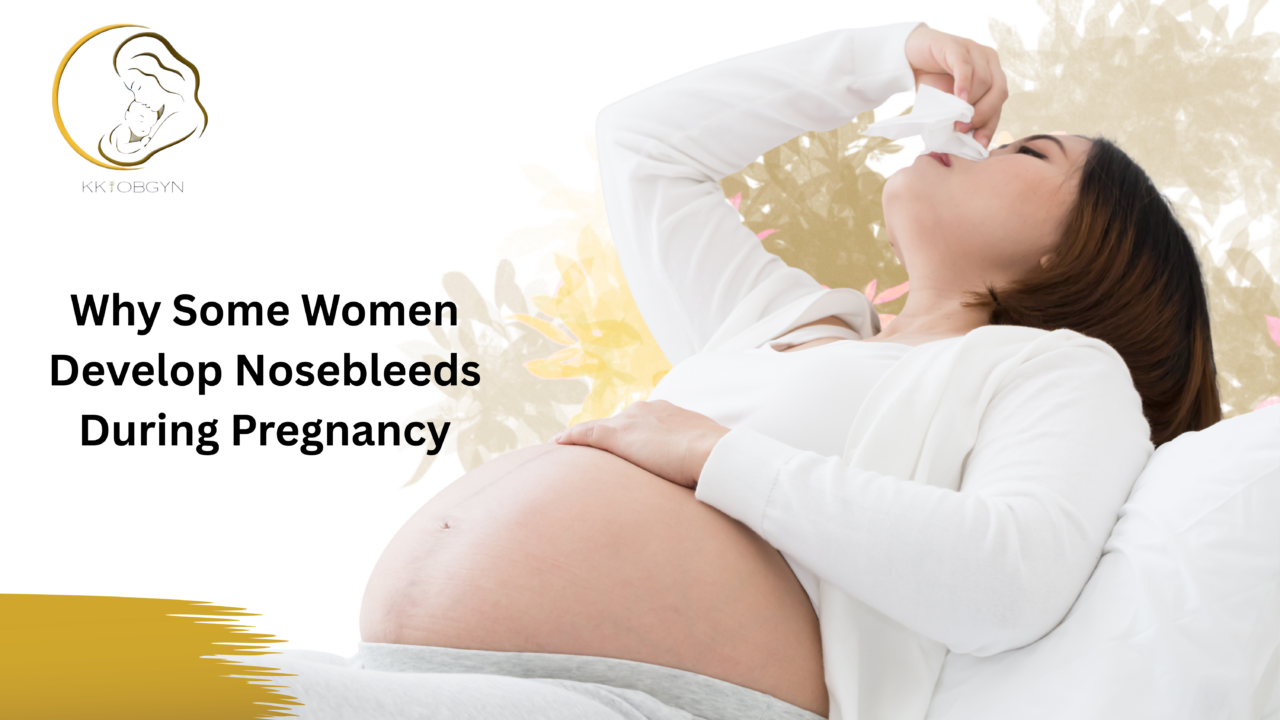
Nosebleeds during pregnancy can be unexpected and sometimes alarming. A woman may be going about her day normally when suddenly she notices blood coming from one or both nostrils. For some, it happens occasionally and stops quickly. For others, it may occur more frequently, especially in the second or third trimester.
Although nosebleeds can look dramatic, they are usually harmless during pregnancy. In most cases, they are caused by normal changes in blood flow, hormones, and the delicate structure of nasal tissues.
Understanding why nosebleeds happen during pregnancy helps reduce fear and ensures women know when the symptom is normal and when it may need medical attention.
Are Nosebleeds Common in Pregnancy?
Yes. Nosebleeds (also called epistaxis) are relatively common during pregnancy.
They may be more likely to occur:
- In the second trimester
- In the third trimester
- During hot weather
- In dry environments
- When experiencing nasal congestion
Many women who never had nosebleeds before pregnancy may suddenly start experiencing them.
Why Pregnancy Causes Nosebleeds
Pregnancy changes almost every system in the body, including the nose.
The main causes include:
- Increased blood volume
- Hormonal changes
- Sensitive nasal lining
- Increased blood vessel fragility
- Dry or irritated nasal passages
These factors make the tiny blood vessels in the nose more likely to burst.
Key Contributors to Nosebleeds
| Cause | Effect |
|---|---|
| Hormones | Increased blood vessel sensitivity |
| Blood volume increase | More pressure in nasal vessels |
| Dry air | Cracked nasal lining |
| Congestion | Frequent nose blowing irritation |
Increased Blood Volume During Pregnancy
During pregnancy, a woman’s blood volume increases by about 30–50% to support the growing baby.
This extra blood is essential for:
- Placental circulation
- Fetal growth
- Maternal oxygen needs
However, it also increases pressure in small blood vessels, including those in the nose.
Blood Volume Effects
✔ Increased nasal vessel pressure
✔ Easier vessel rupture
✔ More frequent minor bleeding
This is one of the most important reasons for pregnancy-related nosebleeds.
Hormonal Changes and Nasal Sensitivity
Hormones such as oestrogen and progesterone rise significantly during pregnancy.
These hormones affect:
- Blood vessel dilation
- Mucous membrane thickness
- Fluid retention
- Nasal congestion
The nasal lining becomes more sensitive and prone to irritation.
Hormonal Impact on the Nose
| Hormone | Effect |
|---|---|
| Oestrogen | Increases blood flow to nasal tissues |
| Progesterone | Causes tissue swelling |
| Pregnancy hormones | Increase mucus production |
This leads to a condition sometimes called pregnancy rhinitis, which includes congestion and increased nasal sensitivity.
Pregnancy Rhinitis and Nosebleeds
Pregnancy rhinitis is a common condition where women experience:
- Stuffy nose
- Nasal congestion
- Frequent sneezing
- Post-nasal drip
This condition increases the likelihood of nosebleeds because:
- Congestion causes frequent nose blowing
- Inflamed tissues become fragile
- Dryness alternates with swelling
Pregnancy Rhinitis Symptoms
✔ Blocked nose
✔ Sneezing
✔ Nasal pressure
✔ Difficulty breathing through nose
✔ Increased mucus
Dry Air and Environmental Factors
Environmental conditions can worsen nosebleeds during pregnancy.
Dry air, especially from:
- Air conditioning
- Heating systems
- Low humidity climates
can dry out nasal passages and make them more fragile.
Environmental Triggers
| Factor | Effect on Nose |
|---|---|
| Dry air | Cracks nasal lining |
| Dust | Irritation |
| Smoke | Inflammation |
| Allergens | Swelling and congestion |
These factors can make nosebleeds more frequent or severe.
Increased Blood Flow to Mucous Membranes
Pregnancy increases blood flow to many areas of the body, including mucous membranes like those in the nose.
This leads to:
- Swollen nasal tissues
- Increased sensitivity
- Easily ruptured capillaries
Even minor irritation (like rubbing the nose) can trigger bleeding.
Common Triggers for Pregnancy Nosebleeds
Several everyday actions can trigger nosebleeds during pregnancy:
- Blowing the nose too hard
- Sneezing forcefully
- Picking the nose
- Dry nasal passages
- Sudden changes in temperature
Trigger Summary
✔ Nose blowing
✔ Dry air exposure
✔ Allergies
✔ Minor trauma
✔ Congestion pressure
What a Normal Pregnancy Nosebleed Looks Like
Most pregnancy-related nosebleeds are:
- Sudden
- One-sided
- Mild to moderate
- Short in duration
- Easily controlled
Normal Nosebleed Pattern
| Feature | Description |
|---|---|
| Duration | Few minutes |
| Blood amount | Small to moderate |
| Frequency | Occasional |
| Severity | Mild |
When Nosebleeds May Be a Concern
Although most nosebleeds are harmless, some patterns require medical attention.
Warning Signs
□ Frequent or heavy nosebleeds
□ Bleeding that does not stop after 20 minutes
□ Dizziness or fainting
□ High blood pressure symptoms
□ Bleeding from other areas
These may indicate an underlying condition.
High Blood Pressure and Nosebleeds
In some cases, nosebleeds may be associated with high blood pressure.
A serious pregnancy condition called preeclampsia can cause:
- High blood pressure
- Headaches
- Visual changes
- Swelling
- Nosebleeds in some cases
Preeclampsia Warning Signs
✔ Severe headaches
✔ Blurred vision
✔ Upper abdominal pain
✔ Sudden swelling
✔ Elevated blood pressure
Any of these symptoms require urgent medical assessment.
Normal Nosebleeds vs Medical Concern
Comparison Table
| Normal Pregnancy Nosebleed | Possible Concern |
|---|---|
| Short and mild | Heavy or prolonged |
| Stops easily | Difficult to stop |
| Occasional | Frequent |
| No other symptoms | Headache or swelling present |
How to Stop a Nosebleed Safely
If a nosebleed occurs, simple steps can help manage it safely:
First Aid Steps
✔ Sit upright
✔ Lean slightly forward
✔ Pinch the soft part of the nose
✔ Breathe through the mouth
✔ Hold for 10–15 minutes
Avoid:
- Tilting the head back
- Lying down immediately
- Forceful nose blowing
How to Prevent Nosebleeds in Pregnancy
Prevention strategies focus on keeping the nasal passages moist and protected.
Helpful Prevention Tips
✔ Use a humidifier
✔ Stay hydrated
✔ Apply saline nasal spray
✔ Avoid nose picking
✔ Gently blow the nose
Moisture Protection Methods
| Method | Benefit |
|---|---|
| Saline spray | Keeps nasal lining moist |
| Humidifier | Reduces dryness |
| Hydration | Supports tissue health |
| Petroleum jelly (light use) | Prevents cracking |
When to Seek Medical Help
Contact a healthcare provider if:
- Nosebleeds are frequent or severe
- You feel dizzy or weak
- Bleeding does not stop
- You have high blood pressure symptoms
- You are concerned about overall wellbeing
Medical Attention Checklist
□ Recurrent nosebleeds
□ Heavy bleeding
□ Headache or vision changes
□ Swelling
□ Fatigue or faintness
Early assessment ensures safety for both mother and baby.
Emotional Impact of Nosebleeds
Although usually harmless, nosebleeds can cause anxiety during pregnancy.
Women may worry about:
- Baby’s health
- Blood loss
- Underlying illness
Reassurance is important because most cases are benign and hormone-related.
Conclusion
Nosebleeds during pregnancy are a common and usually harmless symptom caused by increased blood volume, hormonal changes, and sensitive nasal tissues. As the body adapts to support pregnancy, the delicate blood vessels in the nose become more prone to rupture, especially when combined with dryness, congestion, or environmental triggers.
While most nosebleeds are mild and self-limiting, it is important to recognise warning signs such as frequent bleeding, high blood pressure symptoms, or prolonged episodes that require medical evaluation.
Understanding the reasons behind pregnancy nosebleeds helps reduce fear and normalises this experience as part of the body’s remarkable physiological adjustments during pregnancy. With simple preventive measures and awareness, most women can manage this symptom comfortably and safely.