

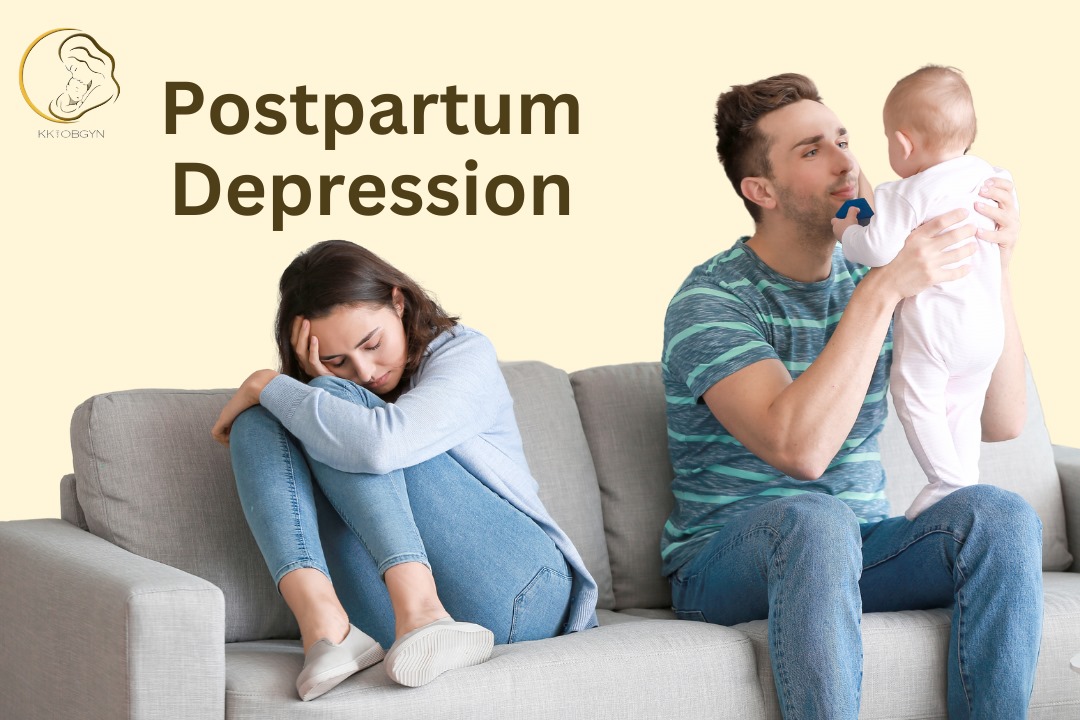
The Storm After the Calm: Understanding and Overcoming Postpartum Depression
The arrival of a newborn is often portrayed as a time of pure joy. However, for many new mothers, the reality can be clouded by feelings of sadness, anxiety, and overwhelm. Postpartum depression (PPD) is a common, yet serious, condition that can affect women after childbirth. This blog sheds light on PPD, equipping you to recognize the signs and seek help for a brighter tomorrow.
Understanding Postpartum Depression:
PPD is a mood disorder that goes beyond the typical “baby blues” experienced by many new mothers. It’s a clinical condition affecting 1 in 9 women after childbirth. While the exact cause remains unknown, hormonal fluctuations, sleep deprivation, and The emotional and physical demands of caring for a newborn can all contribute to PPD.
Symptoms of Postpartum Depression:
The symptoms of PPD can vary from woman to woman, but some common signs include:
- Depressed mood: Feeling down, sad, or hopeless most of the day, nearly every day.
- Loss of interest or pleasure in activities once enjoyed.
- Changes in appetite or weight: Significant weight loss or gain unrelated to dieting.
- Difficulty sleeping or sleeping too much.
- Loss of energy or increased fatigue.
- Difficulty concentrating, making decisions, or remembering things.
- Restlessness or feeling slowed down.
- Increased feelings of worthlessness or guilt.
- Recurrent thoughts of death or suicide.
- Thoughts of harming your baby(It’s important to remember that most mothers with PPD would never hurt their child. These thoughts can be a symptom of the depression and seeking help is crucial.)
The Importance of Early Recognition:
Early recognition and treatment of PPD are crucial for both mother and baby. If you’re experiencing any of these symptoms, don’t hesitate to reach out for help. Here’s why:
Improved maternal well-being: Treatment can alleviate symptoms and help you regain your emotional footing.
Stronger mother-baby bond: PPD can impact your ability to bond with your baby. Getting help allows you to nurture a healthy and loving relationship.
Reduced risk for long-term complications: Untreated PPD can increase the risk of future mental health issues for both mother and child.
Seeking Help for Postpartum Depression:
Many resources are available to help you overcome PPD. Here are some steps you can take:
Talk to your doctor: Be honest about your symptoms. Your doctor can diagnose PPD and develop a treatment plan.
Consider therapy: Cognitive-behavioral therapy (CBT) can be highly effective in managing PPD symptoms.
Join a support group: Connecting with other mothers experiencing PPD can provide emotional support and a sense of community.
Don’t be afraid to ask for help: Seek support from your partner, family, or friends. Sharing household chores, taking care of the baby for some time, or simply listening can make a big difference.
Remember:
Postpartum depression is not your fault . It’s a treatable medical condition.
You are not alone. Many women experience PPD, and there is help available.
Reaching out for help is a sign of strength. It demonstrates your commitment to your well-being and your baby’s health.
The Road to Recovery:
The journey to overcoming PPD may not be easy, but it is absolutely possible. With knowledge, support, and the right treatment approach, you can find your way back to feeling like yourself again and embrace the joy of motherhood. Remember, there is hope, and there is light at the end of the tunnel.
Postpartum depression (PPD) is a serious mood disorder that affects approximately 1 in 9 women after childbirth. Unlike the temporary "baby blues," postpartum depression is a clinical condition requiring professional attention. Hormonal fluctuations, sleep deprivation, and the emotional demands of newborn care contribute to postpartum depression development. At Dr KY Kakudji's practice in Randfontein, we provide comprehensive screening, diagnosis, and treatment plans tailored to each mother's needs. Early recognition and intervention for postpartum depression significantly improve outcomes for both mother and baby, supporting emotional recovery and healthy bonding.
Postpartum depression is a serious mood disorder that affects approximately 1 in 9 women after childbirth. Unlike the temporary "baby blues," postpartum depression is a clinical condition requiring professional intervention. The causes of postpartum depression are multifaceted, involving hormonal fluctuations, sleep deprivation, and the overwhelming physical and emotional demands of newborn care. At Dr KY Kakudji's practice in Randfontein, we recognize postpartum depression as a treatable condition. With early diagnosis and comprehensive treatment—including therapy, medical support, and maternal wellness strategies—women can recover fully and bond healthily with their babies.