

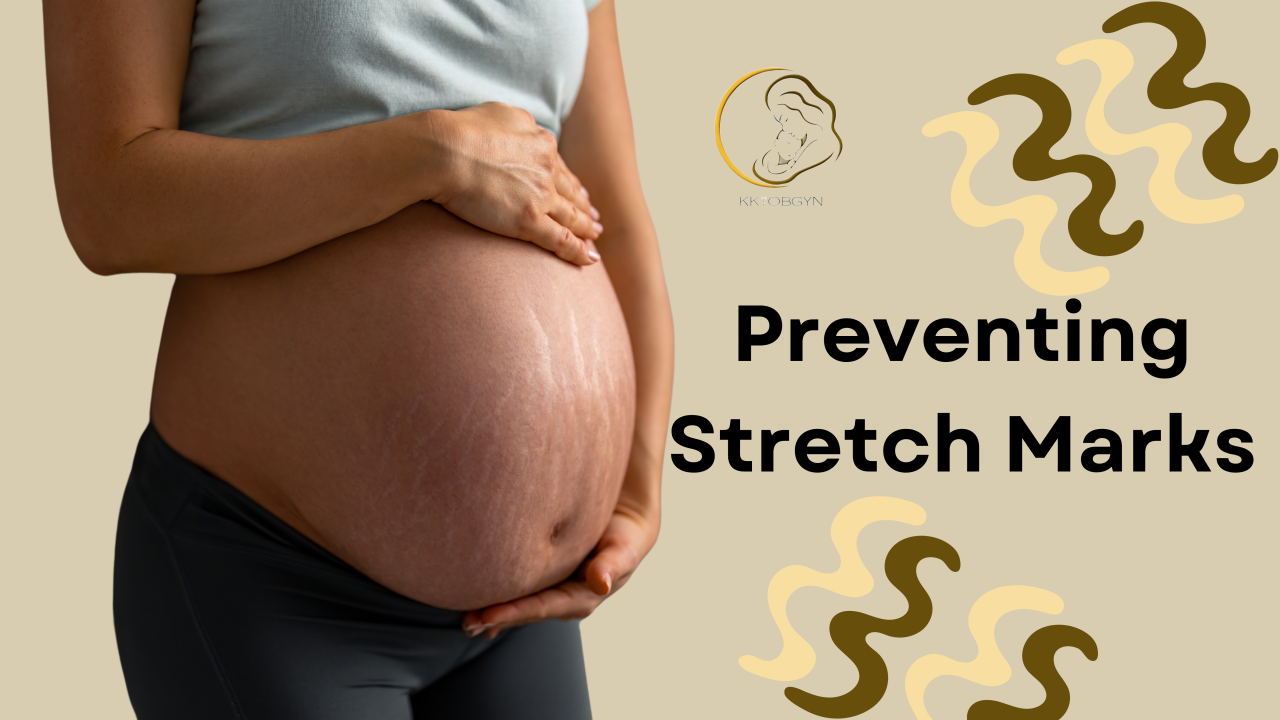
How to Prevent Stretch Marks During Pregnancy: Evidence-Based Tips
Introduction
Stretch marks, or striae gravidarum, are a common concern for many women during pregnancy. These marks occur when the skin stretches rapidly due to hormonal changes and increased body weight, leading to tears in the dermis. While they are a natural part of the body’s adaptation to pregnancy, many women wish to minimize their appearance. Understanding the causes of stretch marks and implementing effective prevention strategies can help expectant mothers navigate this aspect of pregnancy with confidence.
What Are Stretch Marks?
Stretch marks are narrow streaks or lines that develop on the skin, often appearing red, purple, or brown initially before fading to a lighter color. They can occur on various parts of the body, including the abdomen, hips, breasts, thighs, and buttocks. While stretch marks do not pose any health risks, they can affect self-esteem and body image, especially during a time of significant physical change.
Causes of Stretch Marks
Stretch marks develop when the skin is stretched beyond its limits. Key factors contributing to their formation during pregnancy include:
- Rapid Weight Gain: The most significant factor in the development of stretch marks during pregnancy is rapid weight gain. As the body accumulates fat to support the growing baby, the skin has to stretch to accommodate this change.
- Hormonal Changes: Pregnancy hormones, particularly glucocorticoids, can weaken the elastic fibers in the skin, making it more susceptible to tearing.
- Genetics: A family history of stretch marks can increase the likelihood of developing them during pregnancy. If your mother or sister experienced stretch marks, you may be more prone to them as well.
- Age: Younger women may be more likely to develop stretch marks, as their skin may be less elastic than that of older women.
- Multiple Pregnancies: Women who have had multiple pregnancies may experience more pronounced stretch marks, as their skin has already undergone stretching from previous pregnancies.
Effective Strategies for Preventing Stretch Marks
While it may not be possible to prevent stretch marks entirely, several strategies can help reduce their likelihood and severity. Implementing a comprehensive skincare routine, Maintaining a healthy lifestyle, and utilizing preventive measures can significantly impact their development.
1. Maintain a Healthy Weight Gain
Managing weight gain during pregnancy is crucial in reducing the risk of stretch marks. Aim for gradual weight gain following the guidelines provided by your healthcare provider based on your pre-pregnancy BMI.
- Balanced Diet: Focus on a nutrient-rich diet that includes fruits, vegetables, whole grains, lean proteins, and healthy fats. This can help ensure that you gain weight at a healthy rate while also providing essential nutrients for your growing baby.
- Regular Exercise: Engage in safe and moderate exercise, as advised by your healthcare provider. Activities such as walking, swimming, or prenatal yoga can help manage weight and improve overall skin health.
2. Hydration is Key
Staying well-hydrated supports skin elasticity and overall health. Drinking plenty of water helps maintain skin moisture and elasticity, which can reduce the risk of developing stretch marks.
- Aim for Adequate Water Intake: Pregnant women should aim to drink at least 8-10 glasses of water a day, adjusting based on individual needs and activity levels.
- Incorporate Hydrating Foods: Include hydrating foods in your diet, such as cucumbers, watermelon, oranges, and leafy greens.
3. Moisturize Daily
Keeping the skin well-moisturized is a vital step in preventing stretch marks. Hydrated skin is more elastic and less prone to tearing. Consider the following options for moisturizing:
- Natural Oils: Oils such as coconut oil, almond oil, or olive oil can provide deep hydration and nourishment to the skin. Massaging these oils onto the abdomen, hips, thighs, and breasts may help improve skin elasticity.
- Creams and Lotions: Look for products specifically formulated to prevent stretch marks, often containing ingredients like cocoa butter, shea butter, or hyaluronic acid. Apply these creams twice daily, focusing on areas prone to stretching.
- Vitamins and Nutrients: Consider using moisturizers with vitamin E, vitamin A, and centella asiatica, known for their potential to improve skin elasticity and promote healing.
4. Use Sunscreen
While protecting your skin from harmful UV rays is essential at all times, using sunscreen can also help prevent stretch marks from becoming more pronounced. Sun exposure can lead to pigmentation changes in stretch marks, making them more visible.
- Choose Broad-Spectrum Sunscreen: Opt for a broad-spectrum sunscreen with at least SPF 30 and apply it to exposed skin, especially areas prone to stretch marks.
- Avoid Tanning: Indoor tanning or excessive sun exposure can damage the skin and exacerbate the appearance of stretch marks.
5. Consider Professional Treatments
For those concerned about the appearance of stretch marks, various professional treatments may help improve their appearance. While these treatments are typically more effective after pregnancy, discussing options with a dermatologist can be beneficial.
- Laser Therapy: This treatment can help stimulate collagen production and improve skin texture, reducing the visibility of stretch marks.
- Microneedling: This procedure involves creating tiny micro-injuries in the skin to promote collagen production and may help improve the appearance of stretch marks over time.
- Chemical Peels: These can help exfoliate the skin, removing the outer layer and promoting new skin growth, potentially reducing the appearance of stretch marks.
What to Expect with Stretch Marks
It’s essential to approach stretch marks with realistic expectations. Many women develop them during pregnancy, and while they may be a source of concern, it’s important to remember that they often fade over time. Initially, stretch marks can appear red, purple, or brown, but they typically lighten to a lighter shade and become less noticeable postpartum.
1. Embrace Body Positivity
While society often emphasizes the importance of an ideal body image, embracing the changes your body undergoes during pregnancy can foster a positive mindset. Understand that stretch marks are a common part of the pregnancy experience and a testament to your body’s ability to create life.
2. Celebrate Your Journey
Consider documenting your pregnancy journey through photos or a journal. Celebrating the milestones of your pregnancy can help shift the focus away from concerns about appearance and towards the joy of bringing a new life into the world.
When to Seek Medical Advice
If you experience any sudden or unusual changes in your skin during pregnancy, such as severe itching or rash, it’s important to consult with your healthcare provider. While stretch marks are generally harmless, other skin conditions may require attention.
Conclusion
Preventing stretch marks during pregnancy is a common concern for many women, but it’s important to approach this topic with a balanced perspective. While some women may develop stretch marks regardless of their efforts, implementing strategies such as maintaining a healthy weight, staying hydrated, moisturizing regularly, using sunscreen, and considering professional treatments can help minimize their appearance. Remember that stretch marks are a natural part of the body’s adaptation to pregnancy and a sign of the incredible journey of motherhood. Embracing your body’s changes and celebrating the miracle of life can foster a positive mindset during this transformative time.
Stretch marks, medically known as striae gravidarum, affect many pregnant women, but effective prevention strategies can significantly reduce their appearance. By understanding what causes stretch marks and implementing targeted prevention methods, expectant mothers can take control of this common skin change. At Dr KY Kakudji's practice in Randfontein, we counsel patients on how to prevent stretch marks through healthy weight management, proper hydration, and specialized skincare routines. While genetics play a role, preventing stretch marks is achievable through consistency and expert guidance during your pregnancy journey.
Stretch marks during pregnancy are a natural concern for expectant mothers. While you cannot always prevent stretch marks entirely, research shows that taking proactive steps can significantly reduce their likelihood and severity. To prevent stretch marks pregnancy, focus on gradual weight gain, proper hydration, and targeted skincare. Dr KY Kakudji recommends that women prevent stretch marks pregnancy through a combination of healthy lifestyle choices, including balanced nutrition, safe exercise, and consistent moisturizing routines. At Lenmed Randfontein, we guide expectant mothers on comprehensive strategies to prevent stretch marks pregnancy while supporting overall maternal wellness during this transformative time.