

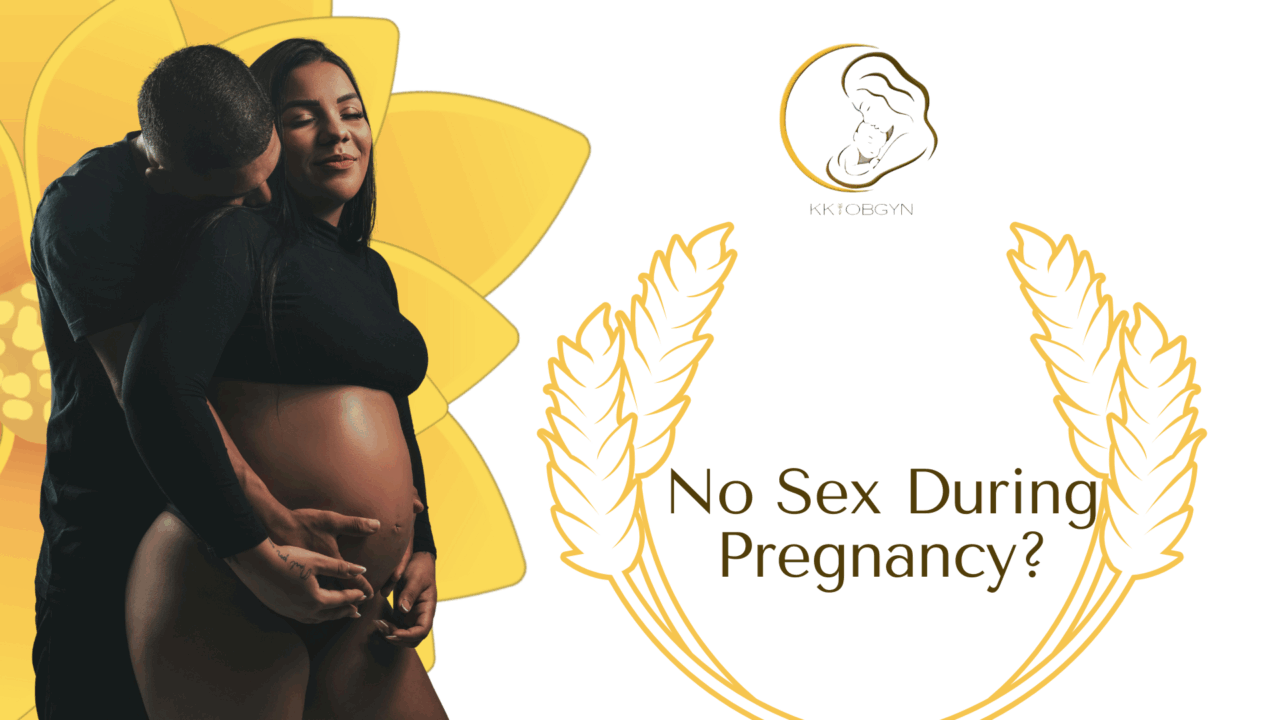
Is Sex Safe During Pregnancy? Medical Facts & Myths Explained
Pregnancy is an extraordinary time of transformation and anticipation, but it also brings many questions and concerns especially about intimacy. One of the most common questions expectant couples ask is: Is it safe to have sex during pregnancy? Or, conversely, is it true that you should avoid sex while pregnant?
This blog unpacks the truth behind “no sex during pregnancy,” addressing myths, medical facts, safety considerations, benefits, and when abstinence might be necessary. By understanding the realities, you and your partner can maintain a healthy relationship and intimacy throughout this unique journey.
Common Myths About Sex During Pregnancy
| Myth | Reality |
|---|---|
| Sex will harm the baby | The baby is well-protected by the amniotic sac and strong muscles |
| Sex causes miscarriage | Most miscarriages are due to chromosomal or health issues, not sex |
| Sex is always off-limits during pregnancy | Many women can have a safe and satisfying sex life throughout pregnancy |
| Partners should avoid intimacy completely | Emotional and physical intimacy can be maintained in many ways |
Is Sex During Pregnancy Safe?
For the majority of healthy pregnancies, sex is completely safe and poses no risk to the baby. The fetus is cushioned within the amniotic sac, surrounded by fluid, and protected by the cervix, which is sealed with a mucus plug during pregnancy.
Healthcare providers generally say:
- Sexual activity is safe unless your doctor advises otherwise.
- Avoid sex if you have complications like placenta previa, premature labor risk, ruptured membranes, or unexplained bleeding.
Benefits of Maintaining Intimacy During Pregnancy
| Benefit | Explanation |
|---|---|
| Emotional bonding | Maintains closeness and emotional support between partners |
| Stress reduction | Releases endorphins that promote relaxation and mood |
| Improved sleep | Physical activity and hormone release may improve sleep |
| Physical pleasure | Helps maintain body confidence and sexual satisfaction |
| Preparation for labor | Orgasm can stimulate uterine contractions (usually mild and safe) |
Changes in Sexual Desire During Pregnancy
Pregnancy hormones and physical changes can affect libido:
| Trimester | Typical Changes in Sexual Desire |
|---|---|
| First trimester | Fatigue, nausea, breast tenderness may lower desire |
| Second trimester | Energy often returns, increased blood flow may heighten sensitivity |
| Third trimester | Physical discomfort and body changes may reduce interest |
It’s important to communicate openly with your partner and adapt intimacy to what feels comfortable.
When to Avoid Sex During Pregnancy
Sexual activity should be avoided or discussed with your healthcare provider if you experience:
- Vaginal bleeding or spotting
- Unexplained pelvic pain or cramping
- Water breaking (ruptured membranes)
- Placenta previa (placenta covers the cervix)
- Preterm labor or history of premature birth
- Cervical insufficiency or shortening
- Active genital herpes or other infections
Safe Practices for Sex During Pregnancy
- Use comfortable positions: Avoid pressure on your abdomen; side-lying positions often work well.
- Gentle and slow: Body sensitivity varies, so be attentive to comfort.
- Hygiene: Maintain good hygiene to prevent infections.
- Protection: Use condoms if there is risk of sexually transmitted infections.
- Communicate: Check in regularly with your partner about comfort and feelings.
Emotional Intimacy Beyond Sex
If sexual activity is not comfortable or advised against, intimacy can still thrive through:
- Cuddling and massage
- Talking and emotional support
- Shared activities and bonding experiences
- Expressing affection in ways that suit both partners
Expert Opinions
- American College of Obstetricians and Gynecologists (ACOG): For uncomplicated pregnancies, sexual activity is safe until membranes rupture or labor begins.
- World Health Organization (WHO): Encourages open discussion about sexual health during prenatal care to address fears and misinformation.
Addressing Concerns and Fears
Some women or partners fear sex might harm the baby or cause labor prematurely. Education and reassurance from healthcare providers can alleviate these fears. Understanding that the baby is protected and that mild uterine contractions from orgasm are normal and safe helps reduce anxiety.
Summary Table: Sex During Pregnancy at a Glance
| Question | Answer |
|---|---|
| Is sex safe in pregnancy? | Yes, in most healthy pregnancies |
| When should you avoid sex? | With bleeding, pain, placenta previa, or risk of preterm labor |
| Does sex harm the baby? | No, the baby is protected inside the womb |
| How does libido change? | Varies by trimester, often lower in the first and third |
| Can sex trigger labor? | Mild contractions may occur but usually do not induce labor |
| What if sex is uncomfortable? | Try different positions or focus on emotional intimacy |
Final Thoughts
“No sex during pregnancy” is often a misconception based on outdated fears or misinformation. For most couples, sexual activity is a healthy and positive part of pregnancy that supports emotional and physical well-being.
However, every pregnancy is unique. It’s essential to listen to your body, communicate openly with your partner, and follow your healthcare provider’s advice. Maintaining intimacy whether sexual or emotional can help you both navigate pregnancy with confidence and connection.
If you have concerns or experience discomfort, don’t hesitate to discuss them with your doctor or midwife. They can provide personalized guidance and reassurance to keep you safe and comfortable.
Many expectant couples wonder: is sex during pregnancy safe? The answer is yes—for most healthy pregnancies, sex during pregnancy is not only safe but can strengthen your emotional connection with your partner. Sex during pregnancy carries minimal risk when your pregnancy progresses normally and your OBGYN has cleared you for intimacy. At Dr KY Kakudji's practice in Randfontein, we address concerns about sexual health throughout your pregnancy journey, ensuring you feel confident and informed about maintaining intimacy while nurturing your growing family.
Related reading: pregnancy is a shared journey
Is Sex Safe During Pregnancy?
Related reading: talking to your partner about intimate concerns
Many expectant couples wonder whether sex during pregnancy is safe—and the answer is reassuring for most healthy pregnancies. Sex during pregnancy carries no risk to your baby, who remains well-protected by the amniotic sac and cervical mucus plug. Understanding the facts about sex during pregnancy helps couples maintain emotional and physical intimacy throughout this transformative time. While certain complications require avoiding sexual activity, most pregnancies allow safe, satisfying intimacy. Dr KY Kakudji at Lenmed Randfontein recommends open communication with your healthcare provider about sex during pregnancy to address concerns and ensure both partners feel confident and supported.
Sex during pregnancy is a topic many expectant couples wonder about, and the good news is that sex during pregnancy is generally safe for most healthy pregnancies. The fetus is well-protected within the amniotic sac and cushioned by fluid, so intercourse poses no risk to your baby in uncomplicated pregnancies. While sex during pregnancy is medically sound, it's important to communicate with your partner about comfort levels, be aware of warning signs, and consult your healthcare provider if you have complications like placenta previa or bleeding.
Related reading: when pregnancy redefines romance
Related reading: compassionate care in pregnancy
When Should You Avoid Sexual Activity?
Related reading: loving a body that has carried life