

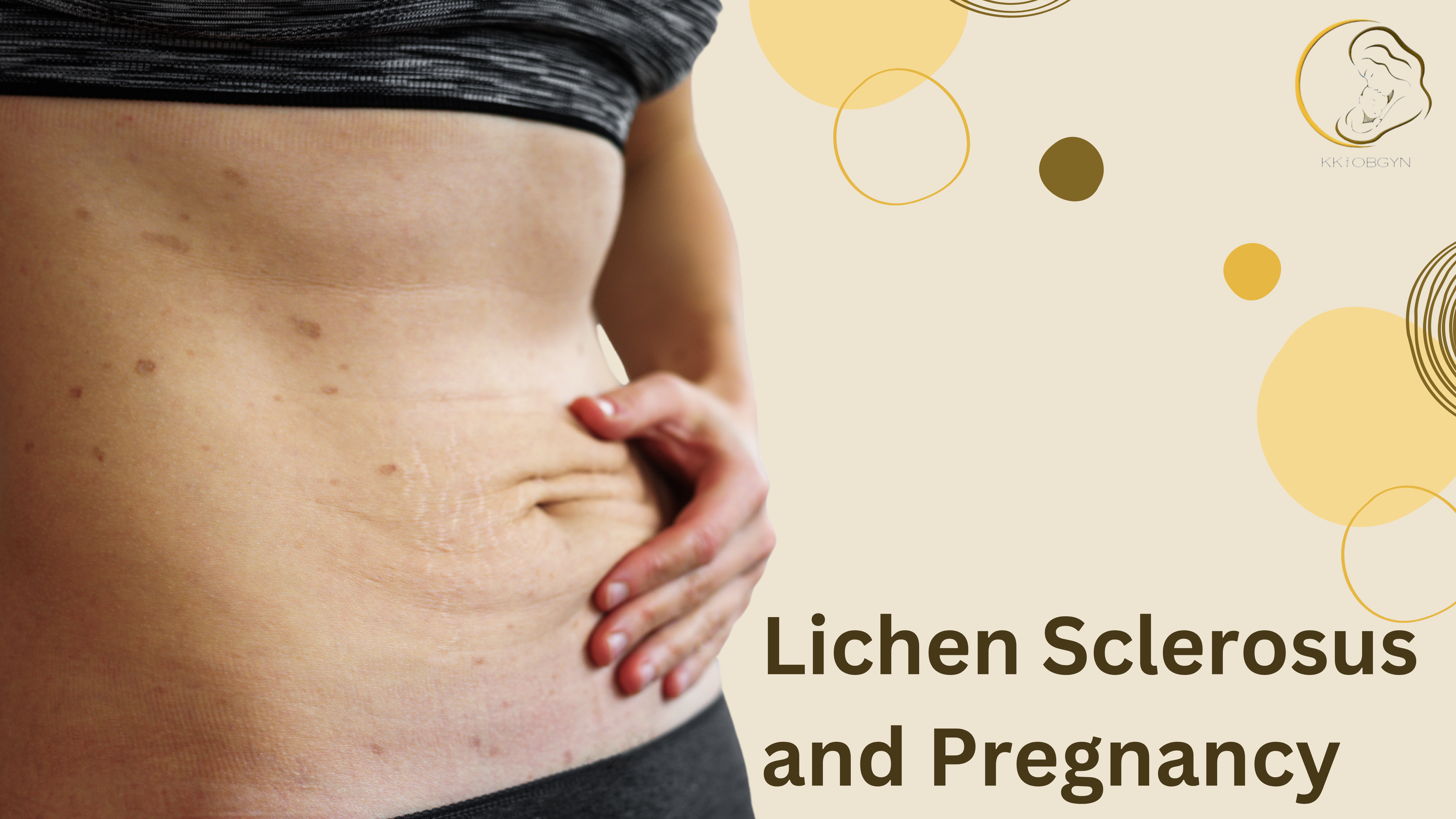
Lichen Sclerosus and Pregnancy: Managing Symptoms and Delivery Risks
Lichen sclerosus is a chronic skin condition that primarily affects the genital and anal areas, but it can also impact women during pregnancy. This blog explores how lichen sclerosus can affect pregnancy, including its symptoms, potential risks, and strategies for managing the condition while expecting.
What is Lichen Sclerosus?
Lichen sclerosus (LS) is an inflammatory skin disorder that leads to thinning, whitening, and fragility of the skin, often in the genital and anal areas. The affected skin becomes prone to irritation and can cause significant discomfort, including itching and pain. Although lichen sclerosus can occur at any age, it is commonly diagnosed in postmenopausal women, but it can also affect women during their reproductive years, including pregnancy.
Symptoms of Lichen Sclerosus During Pregnancy
Pregnancy can alter the symptoms of lichen sclerosus, making them more challenging to manage. Symptoms to watch for include:
- Increased Itching and Discomfort: Hormonal changes during pregnancy may exacerbate itching and discomfort in the affected areas. This can be particularly bothersome and interfere with daily activities.
- Painful Intercourse: The condition can cause pain during sexual activity, which may be further amplified by the physical changes and increased sensitivity during pregnancy.
- Skin Changes: Pregnant women with lichen sclerosus may notice worsening of skin lesions, increased dryness, or more pronounced skin thinning and whitening.
- Functional Issues: The condition may impact vaginal and perineal areas, leading to potential challenges during childbirth, particularly if there are severe skin changes or scarring.
Risks of Lichen Sclerosus During Pregnancy
While lichen sclerosus itself does not directly impact pregnancy, there are some considerations to be aware of:
- Complications During Delivery: Severe lichen sclerosus with significant scarring or fusion of vaginal tissues may complicate vaginal delivery. It can lead to increased discomfort during labor and potentially affect the birth canal’s ability to stretch.
- Increased Risk of Infection: The fragile skin affected by lichen sclerosus is more susceptible to infections, which can be a concern during pregnancy. Proper management is essential to reduce infection risks.
- Impact on Sexual Health: The discomfort and pain associated with lichen sclerosus can affect sexual health and intimacy, which may impact emotional well-being during pregnancy.
Managing Lichen Sclerosus During Pregnancy
Effective management of lichen sclerosus during pregnancy involves a combination of medical treatments and self-care strategies:
- Consult with a Healthcare Provider: It’s essential to work closely with your obstetrician and a dermatologist to manage lichen sclerosus during pregnancy. They can provide guidance on safe treatment options and monitor any changes in your condition.
- Topical Treatments:
- Low-Potency Steroid Creams: In some cases, low-potency corticosteroids may be prescribed to manage symptoms. These are generally considered safe when used under medical supervision during pregnancy.
- Moisturizers: Regular application of emollients or moisturizers can help soothe dryness and irritation. Choose gentle, fragrance-free products to avoid further irritation.
- Lifestyle Adjustments:
- Gentle Hygiene: Use mild, unscented soaps and avoid douching or using harsh feminine hygiene products. Maintain proper hygiene to prevent irritation and infections.
- Avoid Irritants: Wear loose, breathable clothing and avoid activities or products that can cause friction or irritation in the affected areas.
- Maintain Hydration: Drinking plenty of water and maintaining a healthy diet can support overall skin health and reduce dryness.
- Monitoring and Follow-Up: Regular follow-up with your healthcare provider is crucial to monitor the condition and adjust treatments as needed. This helps manage symptoms effectively and address any complications that may arise.
Preparing for Delivery
If you have lichen sclerosus and are approaching your due date, consider the following steps to prepare for delivery:
- Discuss Birth Plan: Inform your healthcare provider about your lichen sclerosus and discuss how it may affect your delivery plan. They can help you prepare for any potential issues and choose the most appropriate method of delivery.
- Consider a Birth Plan: If lichen sclerosus causes significant discomfort or functional issues, a cesarean section may be considered to avoid trauma to the vaginal area. Discuss this option with your provider based on your specific situation and preferences.
Support and Resources
Dealing with lichen sclerosus during pregnancy can be challenging. Seek support from healthcare professionals, support groups, and online communities. Connecting with others who have similar experiences can provide valuable emotional support and practical advice.
Conclusion
Lichen sclerosus during pregnancy requires careful management to alleviate symptoms and minimize complications. By working closely with healthcare providers and following appropriate treatment and self-care strategies, women can effectively manage the condition and focus on a healthy pregnancy. If you have lichen sclerosus and are pregnant or planning to become pregnant, consult your healthcare provider for personalized advice and support.
Lichen sclerosus in pregnancy presents unique challenges for expectant mothers. This chronic inflammatory skin condition affects the genital and anal areas, and hormonal changes during pregnancy can intensify symptoms significantly. Managing lichen sclerosus while pregnant requires coordinated care between your obstetrician and dermatologist to ensure both maternal and fetal wellbeing. At Dr KY Kakudji's practice in Randfontein, we provide specialized guidance on safe treatment options, including low-potency topical steroids and gentle lifestyle adjustments. Early consultation about lichen sclerosus pregnancy management helps prevent complications during labor and delivery.