

Introduction
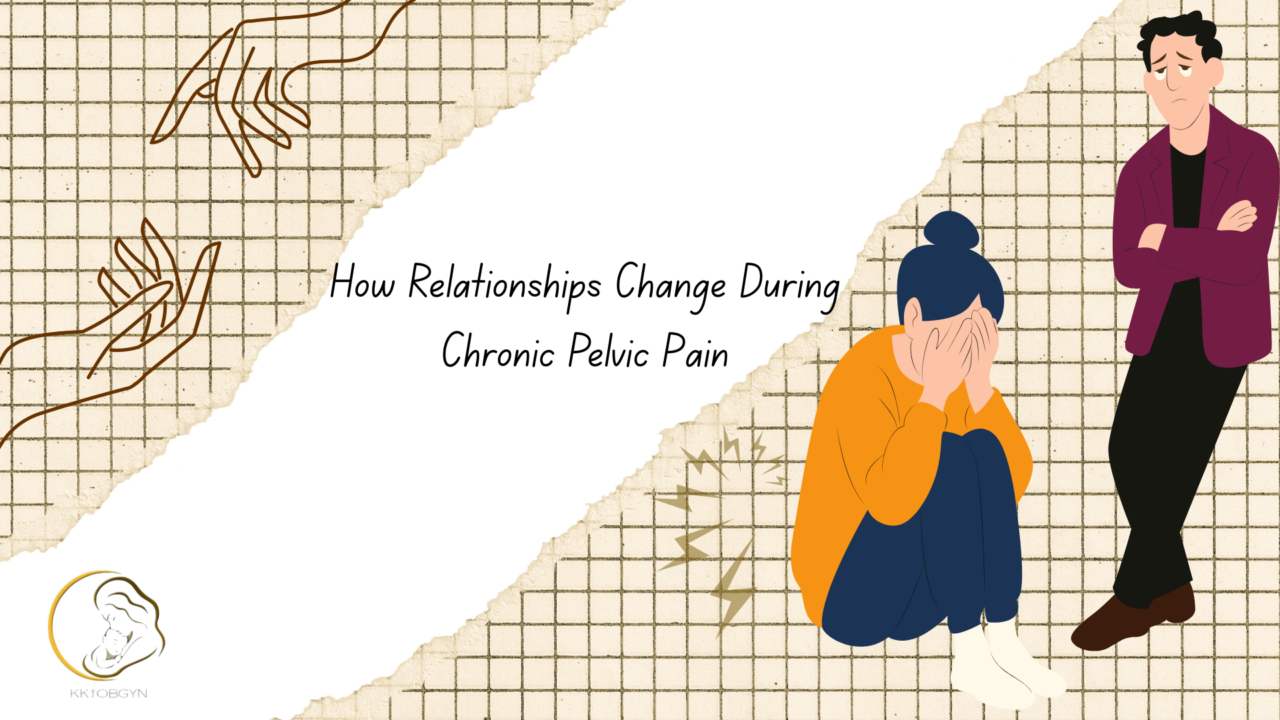
Chronic pelvic pain does not exist in isolation. When pain becomes persistent, it slowly weaves itself into daily routines, emotional wellbeing, and intimate relationships. What begins as a physical symptom can transform how couples communicate, connect, and express love. Many relationships are quietly reshaped, not because love disappears, but because pain demands attention.
Chronic pelvic pain affects intimacy, roles within relationships, emotional safety, and long-term expectations. Understanding these changes helps couples move from confusion and frustration toward compassion, teamwork, and resilience.
What Is Chronic Pelvic Pain?
Chronic pelvic pain is defined as pain in the pelvic region lasting six months or longer. It may be constant or intermittent and can vary in intensity.
Common Causes
- Endometriosis
- Pelvic inflammatory disease
- Pelvic floor dysfunction
- Fibroids
- Chronic infections
- Post-surgical pain
- Nerve-related pain
Pain that persists over time often carries emotional and relational consequences.
How Chronic Pain Alters Relationship Dynamics
1. Changes in Intimacy
Intimacy often becomes unpredictable. Couples may experience:
- Reduced frequency of sexual activity
- Fear of triggering pain
- Loss of spontaneity
- Shift toward non-sexual closeness
Without understanding, these changes can be misinterpreted as loss of desire.
2. Emotional Distance and Misunderstanding
When pain is invisible, it may be misunderstood. The partner in pain may feel:
- Isolated
- Guilty
- Emotionally drained
The other partner may feel:
- Helpless
- Rejected
- Afraid to initiate closeness
Silence can widen emotional gaps.
3. Role Shifts Within the Relationship
Chronic pelvic pain can change how responsibilities are shared. The partner in pain may need more support, leading to:
- Caregiver dynamics
- Power imbalances
- Loss of independence
Without open communication, resentment may quietly build.
Symptom Checklist: Signs Pain Is Affecting the Relationship
| Experience | Yes | No |
|---|---|---|
| Avoiding intimacy to prevent pain | ⬜ | ⬜ |
| Feeling emotionally disconnected | ⬜ | ⬜ |
| Partner feels unsure how to help | ⬜ | ⬜ |
| Increased tension or arguments | ⬜ | ⬜ |
| Guilt surrounding physical needs | ⬜ | ⬜ |
Normal Relationship Adjustments vs Warning Signs
| Change | Normal Adjustment | Needs Support |
|---|---|---|
| Less frequent intimacy | ✔ | ❌ |
| Open conversations about pain | ✔ | ❌ |
| Persistent resentment | ❌ | ✔ |
| Avoidance of emotional closeness | ❌ | ✔ |
| Feeling like a burden | ❌ | ✔ |
Recognizing these signs early can prevent long-term damage.
Emotional Impact on Both Partners
For the Partner in Pain
- Fear of being abandoned
- Loss of identity
- Grief over body changes
- Anxiety around intimacy
For the Supporting Partner
- Feeling powerless
- Suppressing their own needs
- Fear of causing harm
- Emotional fatigue
Both experiences are valid and deserve acknowledgment.
Strengthening the Relationship Despite Pain
1. Reframing Intimacy
Intimacy includes:
- Emotional connection
- Touch without expectation
- Verbal affirmation
- Shared vulnerability
Broadening this definition protects closeness.
2. Communication as a Healing Tool
Regular, honest conversations help couples:
- Adjust expectations
- Express fears safely
- Prevent assumptions
Talking outside the bedroom reduces pressure.
3. Becoming a Team
Chronic pelvic pain should be approached as a shared challenge, not an individual burden. Teamwork fosters resilience.
When to Seek Professional Help
Support may be needed when:
- Pain dominates daily life
- Emotional disconnection grows
- Communication breaks down
Medical care combined with counseling often provides the best outcomes.
Conclusion
Chronic pelvic pain changes relationships but change does not have to mean loss. With compassion, communication, and support, couples can adapt in ways that deepen understanding and emotional intimacy.
Pain may reshape the journey, but love, when nurtured, can remain strong and resilient.