

Birth Control Options for New Moms: A Complete Postpartum Guide
After the arrival of a new baby, many mothers find themselves considering their birth control options. It’s essential to think about family planning during this time, as it can affect both your physical and emotional health. Understanding the various methods available can help you make an informed choice that fits your lifestyle and future family goals.
1. Understanding Postpartum Contraception
After giving birth, your body goes through many changes, including hormonal fluctuations and physical recovery. The right contraception can help you manage these changes while providing effective family planning. It’s generally advisable to discuss birth control options with your healthcare provider during your postpartum checkup, usually around six weeks after delivery.
2. Types of Birth Control Options
Here’s a breakdown of common birth control methods suitable for new moms:
- Barrier Methods:
- Condoms: Male or female condoms are non-hormonal and also provide protection against sexually transmitted infections (STIs). They can be used immediately postpartum.
- Diaphragms and Cervical Caps: These are inserted into the vagina before intercourse to block sperm from reaching the uterus. They require a prescription and may take some time to fit correctly.
- Hormonal Methods:
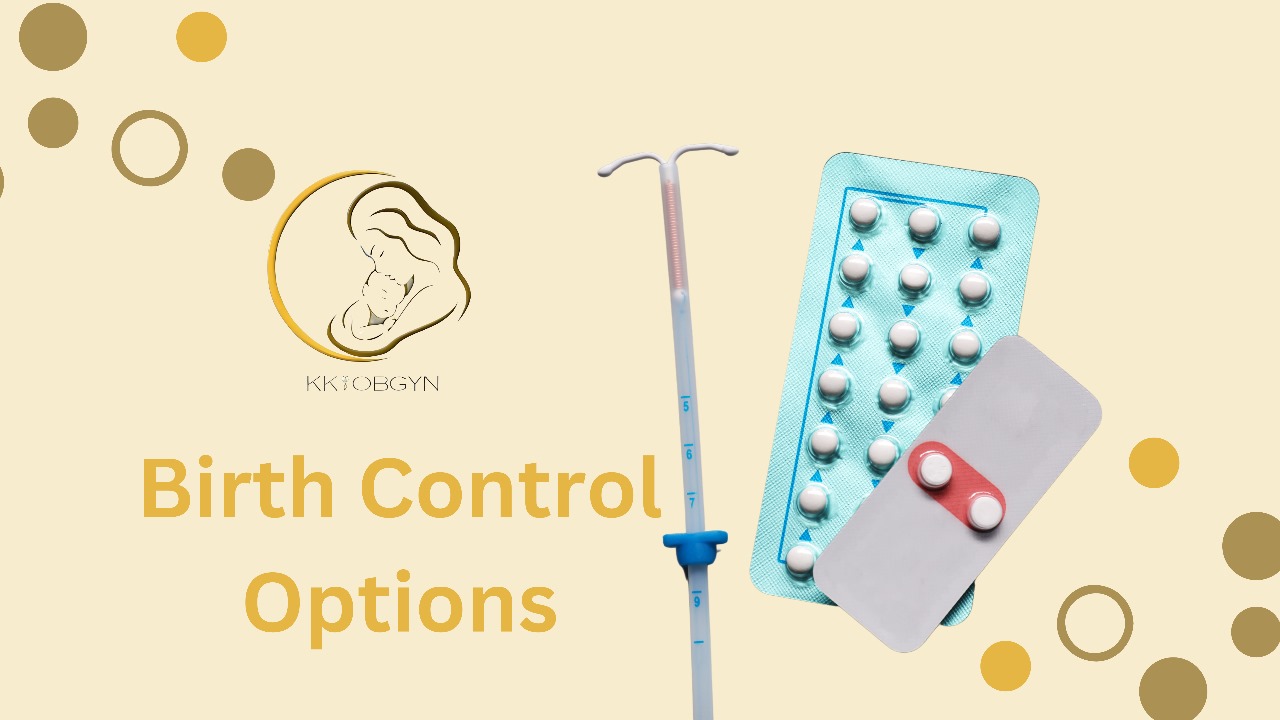
- Birth Control Pills: These can be started about three weeks postpartum, especially if you are not breastfeeding. They come in combined estrogen and progestin or progestin-only forms.
- Depo-Provera Shot: This is an injectable contraceptive that lasts for three months and can be given as early as six weeks postpartum.
- Implants: A small rod is placed under the skin of the upper arm and releases hormones to prevent ovulation for up to three years.
- Intrauterine Devices (IUDs): Both hormonal and copper IUDs are effective for long-term contraception and can be inserted during the postpartum checkup or shortly after childbirth.
- Natural Methods:
- Breastfeeding: Exclusively breastfeeding can suppress ovulation, providing temporary contraception (known as the lactational amenorrhea method). However, this is only effective for the first six months postpartum and if you breastfeed exclusively.
- Fertility Awareness: Tracking your menstrual cycle, body temperature, and cervical mucus can help you avoid pregnancy, but it requires commitment and accuracy.
- Permanent Methods:
- Sterilization: If you’re certain you don’t want more children, surgical options like tubal ligation can be considered. This can be done postpartum or later, depending on your preferences.
3. Factors to Consider When Choosing Birth Control
When selecting a birth control method, consider the following factors:
- Breastfeeding: Some methods are more compatible with breastfeeding than others. Progestin-only pills, IUDs, and implants are generally safe for nursing mothers.
- Effectiveness: Discuss how effective each method is at preventing pregnancy. Some methods, like IUDs and implants, are more reliable than others.
- Side Effects: Be aware of the potential side effects of hormonal contraceptives, which may include weight gain, mood changes, or headaches.
- Convenience: Consider how easy it is to use each method. For instance, daily pills require a consistent schedule, while IUDs and implants are set-and-forget methods.
- Future Family Plans: Think about your family planning goals. If you’re planning to have more children soon, you may prefer a reversible method.
4. Consultation with Healthcare Provider
It’s crucial to discuss your options with a healthcare provider, who can provide personalized advice based on your health history, lifestyle, and any specific concerns you may have. They can help you understand how each method works and what may be best for your individual situation.
Conclusion
Choosing a birth control method after having a baby is a significant decision that requires careful consideration. By understanding the various options available and consulting with a healthcare provider, you can select a method that aligns with your family planning goals and lifestyle. Remember, it’s essential to communicate openly with your partner about your choices and to revisit your birth control plan as your needs and circumstances evolve.
After giving birth, choosing the right birth control options for new moms is a crucial part of postpartum recovery and family planning. At Dr KY Kakudji's practice in Randfontein, we help mothers navigate birth control options that align with their lifestyle, breastfeeding plans, and long-term family goals. Whether you're considering hormonal methods, barrier contraception, or natural approaches, birth control options for new moms should be discussed during your six-week postpartum checkup. Our compassionate team ensures you understand each method's effectiveness, side effects, and compatibility with nursing, so you can make an informed decision about your reproductive health.