

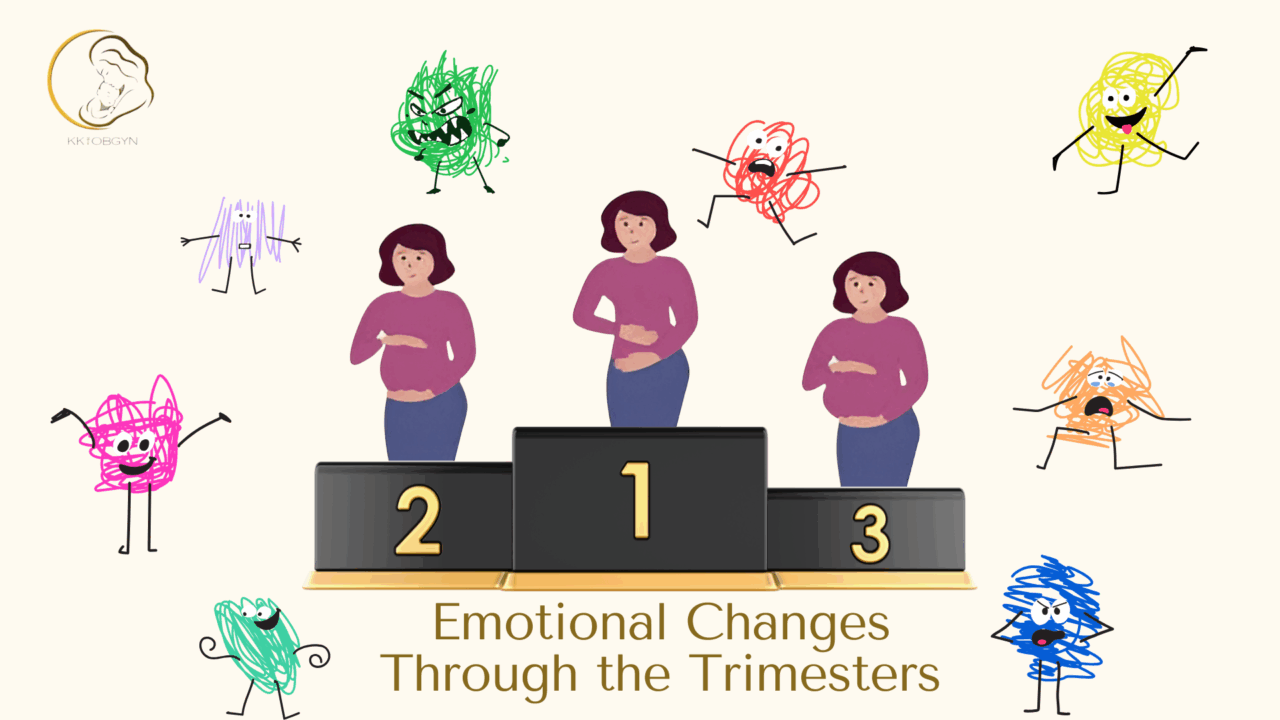
Emotional Changes Through Pregnancy Trimesters: Complete Expert Guide
Pregnancy is a remarkable journey filled with excitement, anticipation, and sometimes uncertainty. Alongside the physical transformations, many women experience profound emotional changes as their bodies and lives adjust to motherhood. Understanding these emotional shifts during each trimester can help you prepare, cope, and embrace the full spectrum of feelings.
In this detailed guide, we explore the emotional landscape of pregnancy trimester by trimester, common challenges you may face, and practical strategies for emotional wellbeing.
The First Trimester (Weeks 1–12): The Emotional Rollercoaster Begins
The first trimester is a time of rapid hormonal change and adjustment to the reality of pregnancy. It’s common to feel a wide range of emotions:
Common Emotional Experiences
- Excitement and joy: For many, the news of pregnancy brings happiness and anticipation.
- Anxiety and fear: Concerns about miscarriage, health, or how life will change are common.
- Mood swings: Fluctuating estrogen and progesterone levels affect brain chemistry.
- Fatigue and overwhelm: Physical symptoms like nausea and tiredness contribute to emotional exhaustion.
- Uncertainty: Mixed feelings about the pregnancy’s impact on personal and professional life.
Why These Changes Occur
- Hormonal surges influence neurotransmitters like serotonin and dopamine, which regulate mood.
- The psychological impact of major life changes, identity shifts, and new responsibilities.
Tips for Managing First Trimester Emotions
| Strategy | How It Helps |
|---|---|
| Share your feelings with loved ones | Provides emotional support and reduces isolation |
| Practice gentle self-care | Helps reduce fatigue and emotional stress |
| Educate yourself about pregnancy | Reduces uncertainty and fear |
| Seek professional help if overwhelmed | Counselling or therapy can be invaluable |
The Second Trimester (Weeks 13–26): Emotional Stability and Bonding
Often called the “honeymoon phase” of pregnancy, many women find the second trimester more emotionally stable and enjoyable.
Emotional Characteristics
- Increased energy and optimism: Many symptoms improve; mood often lifts.
- Bonding with baby: Feeling fetal movements helps deepen emotional connection.
- Increased confidence: Adjusting to pregnancy role and planning for the future.
- Mild anxiety: Concerns about upcoming birth and parenting responsibilities may arise.
Psychological Changes
- Hormones begin to stabilize, creating more balanced mood.
- Increased social interaction and engagement.
Tips for Emotional Wellbeing in the Second Trimester
| Strategy | Benefits |
|---|---|
| Engage in prenatal classes | Builds knowledge and confidence |
| Connect with other expectant mothers | Reduces feelings of isolation |
| Maintain physical activity | Boosts mood and reduces anxiety |
| Continue open communication | Keeps your support system strong |
The Third Trimester (Weeks 27–40): Emotional Intensity and Preparation
The final trimester is often the most emotionally intense, with mixed feelings about the impending birth and motherhood.
Common Emotional Experiences
- Anxiety and fear: About labor, delivery, and parenting.
- Impatience or frustration: Due to physical discomfort and fatigue.
- Nesting instinct: Strong urge to prepare home and baby’s space.
- Mood swings: Hormonal fluctuations and physical exhaustion.
- Increased sensitivity: Heightened emotional reactions to situations.
Why Emotional Intensity Occurs
- Physical discomfort can impact mood.
- Anticipation and fear of unknowns about labor and parenting.
- Hormonal shifts as body prepares for birth.
Strategies for Coping with Third Trimester Emotions
| Strategy | How It Helps |
|---|---|
| Develop a birth plan | Provides a sense of control and preparedness |
| Practice relaxation techniques | Reduces anxiety and improves sleep |
| Continue social and partner support | Builds emotional resilience |
| Accept help and delegate tasks | Reduces physical and emotional burden |
| Prepare for postpartum realities | Sets realistic expectations and reduces fear |
Emotional Changes Are Unique but Common
It’s important to remember that every pregnancy is different. Some women experience very mild emotional changes, while others face significant challenges. Both are normal, and help is available.
When to Seek Professional Support
You should reach out to a healthcare provider if you experience:
- Persistent feelings of sadness, anxiety, or hopelessness
- Intense mood swings affecting daily functioning
- Thoughts of self-harm or harming your baby
- Difficulty bonding with your baby or partner
- Signs of depression or anxiety disorders
Early support can improve outcomes for you and your baby.
Emotional Self-Care Tips Throughout Pregnancy
| Practice | Benefit |
|---|---|
| Mindfulness and meditation | Enhances emotional regulation and calm |
| Journaling feelings | Helps process emotions and track changes |
| Regular exercise | Improves mood and physical wellbeing |
| Adequate sleep | Reduces irritability and improves mental clarity |
| Balanced nutrition | Supports brain health and energy levels |
| Maintaining social connections | Provides emotional support and reduces loneliness |
Summary Table: Emotional Changes Through Pregnancy
| Trimester | Common Emotions | Tips to Cope |
|---|---|---|
| First | Mood swings, anxiety, excitement | Share feelings, self-care, education |
| Second | Stability, bonding, optimism | Prenatal classes, social connection |
| Third | Anxiety, impatience, nesting | Birth planning, relaxation, accept help |
Conclusion
Pregnancy is an emotional journey filled with ups and downs. Understanding the typical emotional changes of each trimester empowers you to better manage your feelings, seek support when needed, and prepare for the transition to motherhood.
Remember, prioritizing your emotional health is as important as your physical health, nurturing yourself nurtures your baby.
Pregnancy brings profound emotional changes alongside physical transformations. Understanding emotional shifts during each trimester helps expectant mothers navigate mood fluctuations, hormonal influences, and psychological adjustments. At Dr KY Kakudji INC in Randfontein, we recognize that emotional wellbeing is integral to holistic maternity care. Our compassionate OBGYN team supports women through all emotional changes in pregnancy, offering counseling resources and personalized guidance during antenatal clinics to ensure you feel prepared, supported, and emotionally healthy throughout your pregnancy journey.
Related reading: pregnancy support and compassionate care
First Trimester Emotions: Managing the Hormonal Rollercoaster
Related reading: shared pregnancy journey with your partner
Emotional changes pregnancy trimesters are a normal part of your journey to motherhood. Understanding how emotional changes pregnancy trimesters affect you—from hormonal surges in the first trimester to the intensity of the third—helps you prepare and cope effectively. The emotional changes pregnancy trimesters bring aren't just psychological; they're deeply rooted in hormonal fluctuations, identity shifts, and the psychological impact of major life changes. At Dr KY Kakudji's practice in Randfontein, we recognize that managing these emotional shifts is as important as your physical health during pregnancy.
Pregnancy brings profound emotional changes throughout the trimesters as your body and mind adapt to motherhood. Understanding emotional changes during each trimester—from first trimester anxiety to second trimester bonding and third trimester intensity—empowers you to navigate this transformative journey confidently. Emotional changes in pregnancy are natural, influenced by hormonal fluctuations, life adjustments, and psychological shifts. At Dr KY Kakudji's practice in Randfontein, we recognize that managing emotional wellbeing across the pregnancy trimesters is as crucial as physical care. Whether you're experiencing mood swings, anxiety, or uncertainty, professional support helps you embrace every feeling with clarity and compassion.
Related reading: how pregnancy redefines relationships
Related reading: body acceptance after pregnancy
Second Trimester: When Emotional Stability Returns
Related reading: choosing your health and wellbeing