

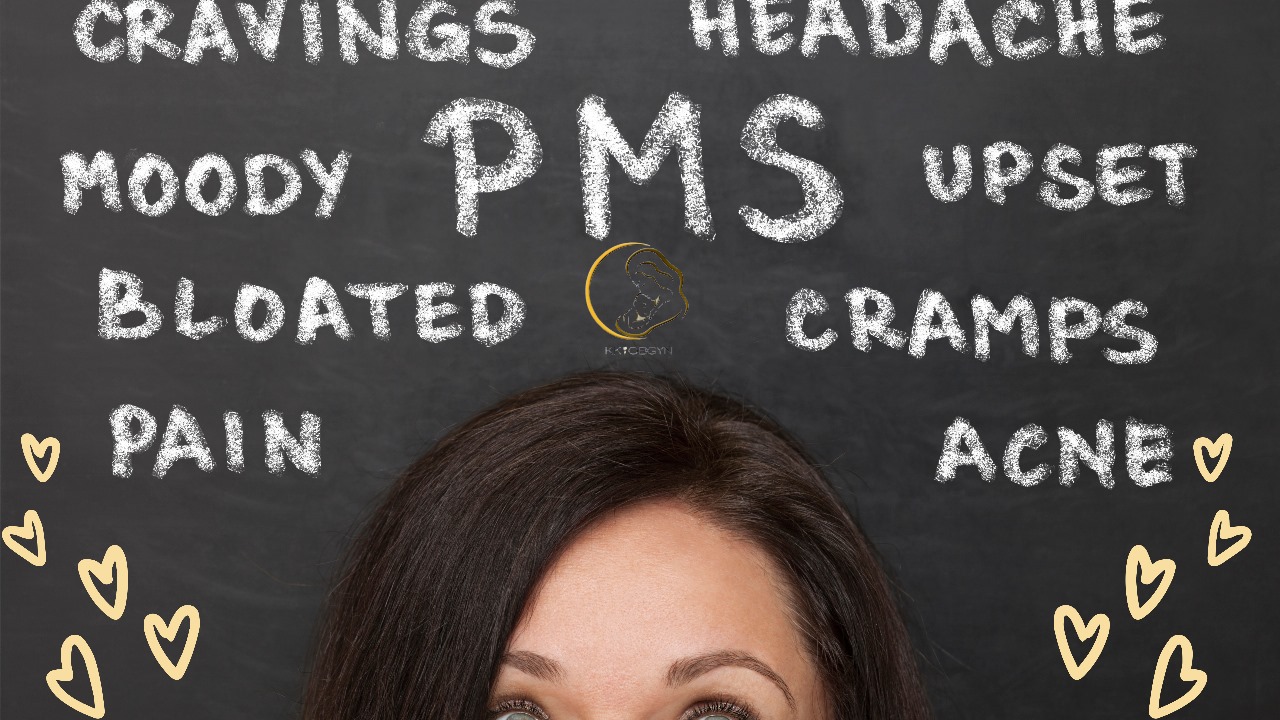
Dealing With PMS: Evidence-Based Strategies for Relief
Introduction
Premenstrual Syndrome (PMS) is a common condition affecting many women in their reproductive years, characterized by a variety of physical, emotional, and behavioral symptoms that typically occur in the luteal phase of the menstrual cycle. For some, these symptoms can be mild and manageable, while for others, they can be severe enough to disrupt daily life. Understanding PMS and implementing effective coping strategies can significantly improve quality of life for those affected. This blog explores the causes of PMS, its symptoms, and various strategies for relief, empowering women to take control of their health.
Understanding PMS: Causes and Symptoms
1. What Causes PMS?
The exact cause of PMS remains unclear, but it is believed to involve a combination of factors, including:
- Hormonal Fluctuations: PMS symptoms are closely tied to changes in hormone levels, particularly estrogen and progesterone, which fluctuate throughout the menstrual cycle. These hormonal changes can affect neurotransmitters in the brain, such as serotonin, which plays a crucial role in mood regulation.
- Chemical Changes in the Brain: Alterations in brain chemicals may lead to mood swings, irritability, and anxiety. For example, lower levels of serotonin, a neurotransmitter that contributes to feelings of well-being, can exacerbate emotional symptoms associated with PMS.
- Lifestyle Factors: Factors such as poor diet, lack of exercise, high stress levels, and insufficient sleep can contribute to the severity of PMS symptoms.
- Genetic Predisposition: There may also be a genetic component, as some studies suggest that women with a family history of PMS or mood disorders may be more susceptible.
2. Common Symptoms of PMS
PMS symptoms can vary widely from one woman to another and may include:
- Physical Symptoms:
- Bloating and weight gain
- Breast tenderness
- Headaches or migraines
- Fatigue and low energy
- Joint or muscle pain
- Emotional Symptoms:
- Mood swings or irritability
- Anxiety or depression
- Difficulty concentrating
- Changes in sleep patterns (insomnia or excessive sleepiness)
- Behavioral Symptoms:
- Changes in appetite (cravings for sweets or salty foods)
- Increased sensitivity to criticism or conflict
- Social withdrawal
These symptoms typically resolve with the onset of menstruation, but for some women, they can be severe enough to impact their daily activities and relationships.
Strategies for Managing PMS
Dealing with PMS can be challenging, but there are several effective strategies that women can implement to alleviate symptoms and improve their overall well-being.
1. Lifestyle Modifications
Making simple changes to your daily routine can have a significant impact on PMS symptoms:
- Dietary Adjustments:
- Balanced Diet: Focus on a well-balanced diet rich in whole foods, including fruits, vegetables, whole grains, lean proteins, and healthy fats. These foods provide essential nutrients that support overall health.
- Limit Caffeine and Sugar: High intake of caffeine and sugar can exacerbate anxiety and mood swings. Consider reducing consumption and replacing them with healthier alternatives, such as herbal teas or whole fruits.
- Stay Hydrated: Drinking plenty of water can help reduce bloating and improve energy levels. Aim for at least 8 glasses of water a day, adjusting for individual needs and activity levels.
- Regular Exercise: Engaging in regular physical activity can help reduce the severity of PMS symptoms. Exercise releases endorphins, which can improve mood and alleviate stress. Aim for at least 150 minutes of moderate aerobic activity each week, incorporating a mix of cardiovascular, strength, and flexibility exercises.
- Adequate Sleep: Quality sleep is vital for managing stress and mood. Establish a regular sleep schedule, create a relaxing bedtime routine, and ensure your sleep environment is conducive to rest.
2. Stress Management Techniques
Since Stress can exacerbate PMS symptoms, incorporating stress-reduction techniques into your routine can be beneficial:
- Mindfulness and Meditation: Mindfulness practices, such as meditation and deep breathing, can help calm the mind and reduce stress. Set aside time each day to practice mindfulness techniques that resonate with you.
- Yoga and Pilates: These practices not only promote physical fitness but also emphasize relaxation and stress reduction. Regular participation can improve flexibility, strength, and mental clarity, helping to ease PMS symptoms.
- Social Support: Connecting with friends or family during difficult times can provide emotional support and reduce feelings of isolation. Consider joining a support group or engaging in community activities to foster connections.
3. Natural Remedies and Supplements
Several natural remedies and dietary supplements may help alleviate PMS symptoms:
- Calcium and Magnesium: Some studies suggest that calcium supplementation can help reduce PMS symptoms, particularly mood-related issues. Magnesium may also be beneficial, as it helps regulate neurotransmitters involved in mood.
- Herbal Supplements: Herbal remedies, such as chasteberry (Vitex), evening primrose oil, and ginkgo biloba, have been studied for their potential to relieve PMS symptoms. However, it’s important to consult with a healthcare provider before starting any new supplement.
- Essential Oils: Aromatherapy using essential oils like lavender, chamomile, and clary sage may help reduce stress and promote relaxation. Consider using an essential oil diffuser, adding a few drops to a warm bath, or applying diluted oils to pulse points.
4. Medication Options
For women with severe PMS symptoms, medication may be necessary. Options include:
- Nonsteroidal Anti-Inflammatory Drugs (NSAIDs): Over-the-counter medications like ibuprofen can help alleviate physical symptoms, such as cramps and headaches.
- Hormonal Birth Control: Hormonal contraceptives can help regulate menstrual cycles and reduce the severity of PMS symptoms by stabilizing hormone levels. Discussing options with a healthcare provider can help determine the best fit for your needs.
- Antidepressants: For women experiencing significant mood disturbances, selective serotonin reuptake inhibitors (SSRIs) may be prescribed to help manage emotional symptoms associated with PMS.
When to Seek Professional Help
If PMS symptoms are severe, persistent, or significantly impact your daily life, it may be time to consult a healthcare provider. They can help determine if you have Premenstrual Dysphoric Disorder (PMDD), a more severe form of PMS that requires specialized treatment.
Conclusion
PMS is a common but often misunderstood condition that can significantly affect women’s lives. By understanding its causes and implementing effective coping strategies, women can better manage their symptoms and improve their overall well-being. From lifestyle modifications and stress management techniques to natural remedies and medication options, there are numerous ways to find relief. Remember, you are not alone in this experience, and seeking support from healthcare professionals and loved ones can make a meaningful difference. Taking proactive steps to address PMS is essential for achieving a healthier, happier life.
Premenstrual Syndrome (PMS) affects millions of women, but effective PMS relief strategies can significantly improve your quality of life. From Hormonal Fluctuations to lifestyle factors, understanding what triggers your symptoms is the first step toward managing PMS. Dr KY Kakudji and the team at Lenmed Randfontein specialise in helping women implement PMS relief through personalised dietary adjustments, exercise routines, stress management, and when needed, clinical interventions. Whether you're experiencing mild discomfort or severe disruptions, our gynaecological expertise ensures you receive compassionate, evidence-based care tailored to your needs.