

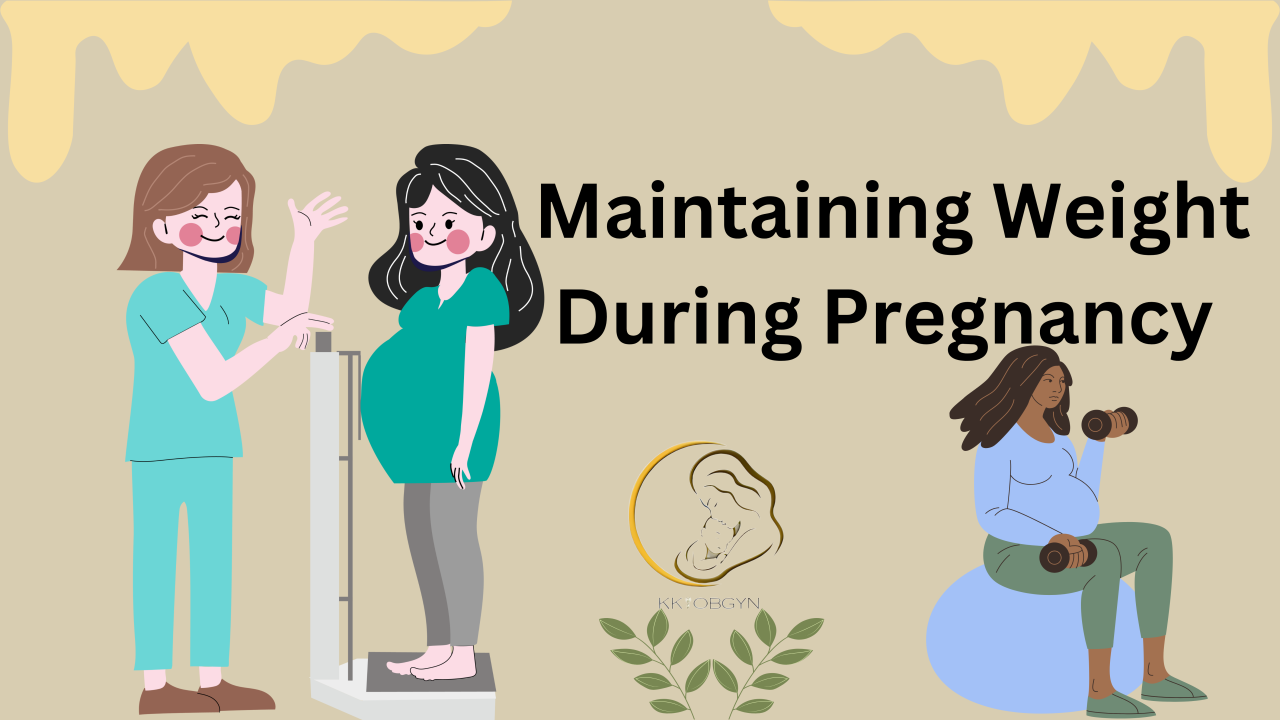
How to Safely Manage Weight Gain During Pregnancy
Introduction
Pregnancy is a remarkable journey, filled with excitement and anticipation as a new life begins to grow. However, it also brings unique challenges, particularly concerning weight management. Many expectant mothers are concerned about gaining too much or too little weight during pregnancy, leading to questions about the best practices for maintaining a healthy weight. Understanding the factors that influence weight gain, the importance of proper nutrition, and safe exercise options can empower pregnant women to navigate this transformative period with confidence and care for their bodies and their developing babies.
Understanding Weight Gain During Pregnancy
Weight gain during pregnancy is a natural and necessary process. It supports the growth and development of the fetus, as well as preparing the mother’s body for labor and breastfeeding. However, the amount of weight gain that is considered healthy can vary based on individual factors.
Recommended Weight Gain Guidelines
The Institute of Medicine (IOM) provides general guidelines for weight gain during pregnancy based on pre-pregnancy body mass index (BMI):
- Underweight (BMI less than 18.5): 28-40 pounds
- Normal weight (BMI 18.5-24.9): 25-35 pounds
- Overweight (BMI 25-29.9): 15-25 pounds
- Obesity (BMI 30 or greater): 11-20 pounds
It’s important to note that these recommendations are averages and can vary based on individual circumstances, such as multiple pregnancies (twins, triplets), existing health conditions, and personal health goals. Therefore, it’s crucial for expectant mothers to work with their healthcare provider to determine their specific weight gain goals.
The Importance of Nutrition
Nutrition plays a pivotal role in managing weight during pregnancy. A well-balanced diet not only helps maintain a healthy weight but also supports the development of the fetus and prepares the mother’s body for childbirth and breastfeeding.
Key Nutrients for a Healthy Pregnancy
- Protein: Essential for fetal growth and development. Pregnant women should aim for 70-100 grams of protein per day, depending on individual needs. Good sources include lean meats, poultry, fish, eggs, beans, and legumes.
- Folic Acid: Crucial for preventing neural tube defects and supporting fetal development. Pregnant women should consume at least 600 micrograms of folic acid daily, found in leafy greens, fortified cereals, and supplements.
- Iron: Important for preventing anemia and supporting increased blood volume during pregnancy. Aim for 27 mg of iron daily, found in red meat, poultry, fish, beans, and fortified cereals.
- Calcium: Necessary for developing the baby’s bones and teeth. Pregnant women should aim for 1,000 mg of calcium per day, found in dairy products, leafy greens, and fortified plant-based milks.
- Healthy Fats: Essential for fetal brain development. Include sources of omega-3 fatty acids, such as fatty fish, walnuts, flaxseeds, and chia seeds.
Building a Balanced Plate
To maintain a healthy weight during pregnancy, focus on a well-rounded diet that includes:
- Fruits and Vegetables: Aim for a variety of colors and types to ensure you’re getting essential vitamins and minerals. Fresh, frozen, or canned options can all be nutritious choices.
- Whole Grains: Choose whole grains like brown rice, quinoa, and whole wheat bread over refined grains for added fiber and nutrients.
- Lean Proteins: Incorporate a mix of animal and plant-based proteins, including fish (low in mercury), poultry, beans, lentils, and nuts.
- Dairy or Alternatives: Choose low-fat or fat-free dairy products or fortified plant-based alternatives to meet your calcium and vitamin D needs.
Safe Weight Management Strategies
Maintaining a healthy weight during pregnancy involves a combination of proper nutrition, physical activity, and mindful eating practices. Here are some effective strategies to help manage weight safely:
1. Regular Physical Activity
Engaging in regular physical activity is essential for overall health during pregnancy. It can help manage weight, reduce stress, and promote better sleep. Aim for at least 150 minutes of moderate-intensity exercise per week, unless advised otherwise by your healthcare provider.
- Safe Activities: Consider low-impact activities such as walking, swimming, stationary cycling, or prenatal yoga. These exercises can help maintain fitness without putting excessive strain on the body.
- Listen to Your Body: Pay attention to your body’s signals. If you feel fatigued or experience discomfort, take a break or modify your activities.
2. Mindful Eating
Practicing mindful eating can help pregnant women develop a healthy relationship with food and manage weight effectively. This involves being aware of hunger cues, savoring meals, and avoiding distractions while eating.
- Portion Control: Pay attention to portion sizes to avoid overeating. Using smaller plates or bowls can help regulate serving sizes.
- Avoid Emotional Eating: Many people turn to food for comfort. Identifying non-food ways to cope with stress or emotions, such as journaling, talking with a friend, or practicing relaxation techniques, can help curb emotional eating.
- Stay Satisfied: Focus on nutrient-dense foods that promote satiety. Foods high in protein, fiber, and healthy fats can help keep you full for longer.
3. Limit Processed Foods and Sugars
While indulging in occasional treats is acceptable, it’s important to limit processed foods and added sugars during pregnancy. These foods often lack essential nutrients and can contribute to excessive weight gain.
- Read Labels: Pay attention to food labels for added sugars and unhealthy fats. Opt for whole, unprocessed foods whenever possible.
- Healthy Snack Options: Choose healthy snacks like fresh fruits, nuts, yogurt, or vegetable sticks with hummus instead of sugary snacks or junk food.
Addressing Common Concerns
1. Morning Sickness and Weight Gain
Morning sickness is common in early pregnancy and can lead to fluctuations in weight. While it may cause some women to lose weight initially, it’s crucial to maintain nutritional intake as much as possible.
- Focus on Nutrient-Dense Foods: Opt for small, frequent meals that include protein, healthy fats, and complex carbohydrates to help manage nausea.
- Hydration: Staying hydrated is vital, especially if vomiting is frequent. Consider sipping on clear fluids, herbal teas, or electrolyte drinks.
2. Gaining Weight Too Quickly
If you notice rapid weight gain, it’s important to consult your healthcare provider to ensure that it’s not a result of underlying issues such as gestational diabetes or excessive fluid retention.
- Regular Check-Ins: Schedule regular appointments with your healthcare provider to monitor weight gain and discuss any concerns.
- Adjusting Goals: If necessary, your provider can help adjust your weight gain goals based on your individual health needs.
Postpartum Considerations
Weight management does not end with childbirth. After delivery, many women focus on returning to their pre-pregnancy weight while still nourishing their bodies for recovery and breastfeeding.
1. Embrace a Balanced Approach
Aim for gradual weight loss of 1-2 pounds per week after childbirth. Focus on nourishing your body with whole foods and incorporating physical activity when you feel ready.
2. Breastfeeding Benefits
Breastfeeding can support postpartum weight loss, as it burns additional calories. Moreover, it provides essential nutrients for your baby. However, ensure that you are eating enough to support both your recovery and milk production.
3. Avoid Crash Diets
It can be tempting to pursue quick fixes for weight loss after pregnancy. However, crash diets can deprive your body of essential nutrients and negatively impact your health. Instead, prioritize balanced eating and physical activity for sustainable results.
When to Consult a Healthcare Provider
It’s essential to maintain open communication with your healthcare provider throughout your pregnancy regarding weight management. If you have any concerns about your weight gain, eating habits, or exercise routine, don’t hesitate to reach out for guidance.
Conclusion
Maintaining a healthy weight during pregnancy is an essential aspect of promoting the health and well-being of both the mother and the developing baby. By understanding the recommended weight gain guidelines, focusing on proper nutrition, engaging in regular physical activity, and practicing mindful eating, expectant mothers can navigate this transformative journey with confidence. Remember, every pregnancy is unique, and individual circumstances may vary. Prioritizing self-care, seeking support, and consulting healthcare providers will empower women to embrace the joys of pregnancy while nurturing their bodies and their babies.
Weight gain during pregnancy is a natural and necessary process that supports fetal development and prepares your body for childbirth. However, managing weight gain during pregnancy requires personalised guidance based on your pre-pregnancy BMI and individual health factors. At Dr KY Kakudji's practice in Randfontein, we help expectant mothers understand healthy weight gain during pregnancy through evidence-based nutrition counselling and monitoring. Our antenatal clinics ensure your weight trajectory supports both your wellbeing and your baby's optimal development throughout this transformative journey.