Endometriosis Treatment: Causes, Diagnosis & Management Options
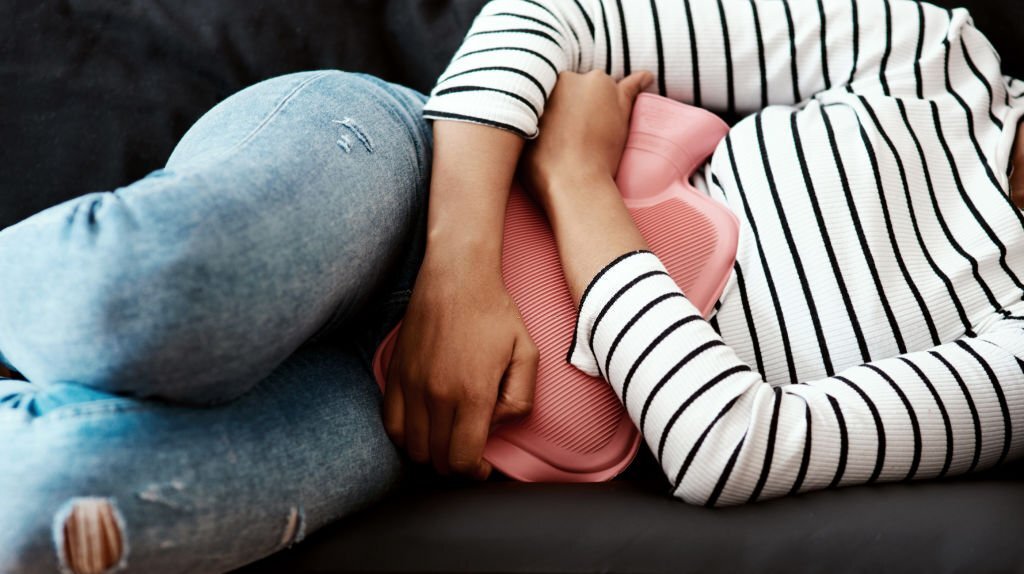
Endometriosis is a common and often painful condition that affects about 10% of women of reproductive age. It occurs when tissue similar to the lining of the uterus (endometrium) grows outside the uterus, such as on the ovaries, fallopian tubes, bladder, bowel, or other pelvic organs. This tissue responds to hormonal changes and bleeds during menstrual cycles, causing inflammation, scarring, and adhesions. Endometriosis can cause severe pelvic pain, heavy or irregular periods, pain during sex, bowel or bladder problems, and infertility. In this blog post, we will explain what causes endometriosis, how it is diagnosed, and how it can be treated.
What Causes Endometriosis?
The exact cause of endometriosis is not known, but there are several theories that may explain why it happens. Some of the possible causes are:
- Retrograde menstruation: This is when some of the menstrual blood and tissue flows backward through the fallopian tubes and into the pelvic cavity, where it implants and grows on other organs.
- Immune system dysfunction: This is when the immune system fails to recognize and destroy the endometrial-like tissue that grows outside the uterus, allowing it to persist and spread.
- Hormonal imbalance: This is when the levels of estrogen and progesterone, the hormones that regulate the menstrual cycle, are too high or too low, stimulating the growth of endometrial-like tissue.
- Genetic factors: This is when you inherit a gene or genes that make you more susceptible to developing endometriosis.
- Environmental factors: This is when you are exposed to certain chemicals or toxins that may affect your hormone levels or immune system function, increasing your risk of endometriosis.
How is Endometriosis Diagnosed?
Endometriosis can be difficult to diagnose because its symptoms can vary widely and mimic other conditions, such as irritable bowel syndrome (IBS), pelvic inflammatory disease (PID), or ovarian cysts. To diagnose endometriosis, your doctor may perform a combination of the following tests and procedures:
Endometriosis treatment requires a personalized approach because this condition affects each woman differently. Whether you're seeking endometriosis treatment for pain relief or fertility concerns, understanding your options is essential. At Dr KY Kakudji's practice in Randfontein, we offer comprehensive endometriosis treatment plans that range from medication and laparoscopic surgery to lifestyle modifications. Our team specializes in diagnostic laparoscopy—the gold standard for confirming endometriosis—and provides ongoing support to help you manage symptoms and reclaim your quality of life.
- Medical history and physical exam: Your doctor will ask you about your symptoms, menstrual cycle, sexual activity, family history, and any previous treatments or surgeries. Your doctor will also perform a pelvic exam to check for any signs of endometriosis, such as tenderness, nodules, or masses.
- Ultrasound: This is a painless imaging test that uses sound waves to create pictures of your pelvic organs. It can help detect any cysts or masses that may be caused by endometriosis.
- Magnetic resonance imaging (MRI): This is another imaging test that uses a powerful magnet and radio waves to create detailed images of your pelvic organs. It can provide more information than an ultrasound about the location and extent of endometriosis.
- Laparoscopy: This is a minimally invasive surgery that involves making one or more small incisions in your abdomen and inserting a thin tube with a light and camera (laparoscope) into your pelvic cavity. Your doctor can then see your pelvic organs and look for any signs of endometriosis. Your doctor may also take a small sample of tissue (biopsy) for further testing. Laparoscopy is considered the gold standard for diagnosing endometriosis.
How is Endometriosis Treated?
There is no cure for endometriosis, but there are various treatments that can help manage your symptoms and improve your quality of life. The best treatment for you depends on several factors, such as your age, health status, severity of symptoms, extent of endometriosis, and fertility goals. Some of the possible treatments are:
- Medication: Your doctor may prescribe hormonal pills, patches, injections, implants, or intrauterine devices (IUDs) to regulate your periods, reduce bleeding, or relieve pain. These medications work by suppressing ovulation or thinning the endometrial-like tissue. Your doctor may also prescribe nonsteroidal anti-inflammatory drugs (NSAIDs) to reduce inflammation and cramps. These medications are effective for mild to moderate endometriosis, but they do not cure the condition or prevent its progression.
- Surgery: Your doctor may perform minimally invasive procedures such as laparoscopy or laparotomy (a large incision in the abdomen) to remove or destroy the endometrial-like tissue. This can help reduce pain, im威而鋼 prove fertility, and prevent complications such as adhesions or bowel obstruction. Surgery is usually recommended for moderate to severe endometriosis or when medication fails to provide relief. However, surgery is not a permanent solution and endometriosis may recur over time.
- Lifestyle changes: You may also benefit from making some changes in your diet, exercise, stress management, or alternative therapies to improve your overall health and well-being. Some of these changes may include:
- Eating a balanced diet that is rich in fruits, vegetables, whole grains, lean protein, and healthy fats. Avoid foods that may trigger inflammation or hormonal imbalance, such as processed foods, red meat, dairy products, caffeine, alcohol, or sugar.
- Exercising regularly to boost your blood circulation, reduce stress, and release endorphins (natural painkillers). Aim for at least 30 minutes of moderate physical activity most days of the week. Choose activities that you enjoy and do not aggravate your pain, such as walking, swimming, yoga, or pilates.
- Managing stress to lower your cortisol levels (a hormone that can worsen inflammation and pain). Find healthy ways to cope with stress, such as meditation, breathing exercises, massage therapy, acupuncture, aromatherapy, or counseling.
- Trying alternative therapies that may help ease your symptoms or complement your conventional treatments. Some of these therapies may include herbal remedies, supplements, homeopathy, chiropractic care, or biofeedback. However, before trying any alternative therapy, make sure to consult your doctor and do your research, as some of these therapies may have side effects or interactions with your medication.
Contact Us Today
If you have any questions about endometriosis or want to schedule an appointment with us, please contact us today. We are here to provide you with compassionate and comprehensive gynaecological care. At KKOBGYN, we care about your health and well-being.