

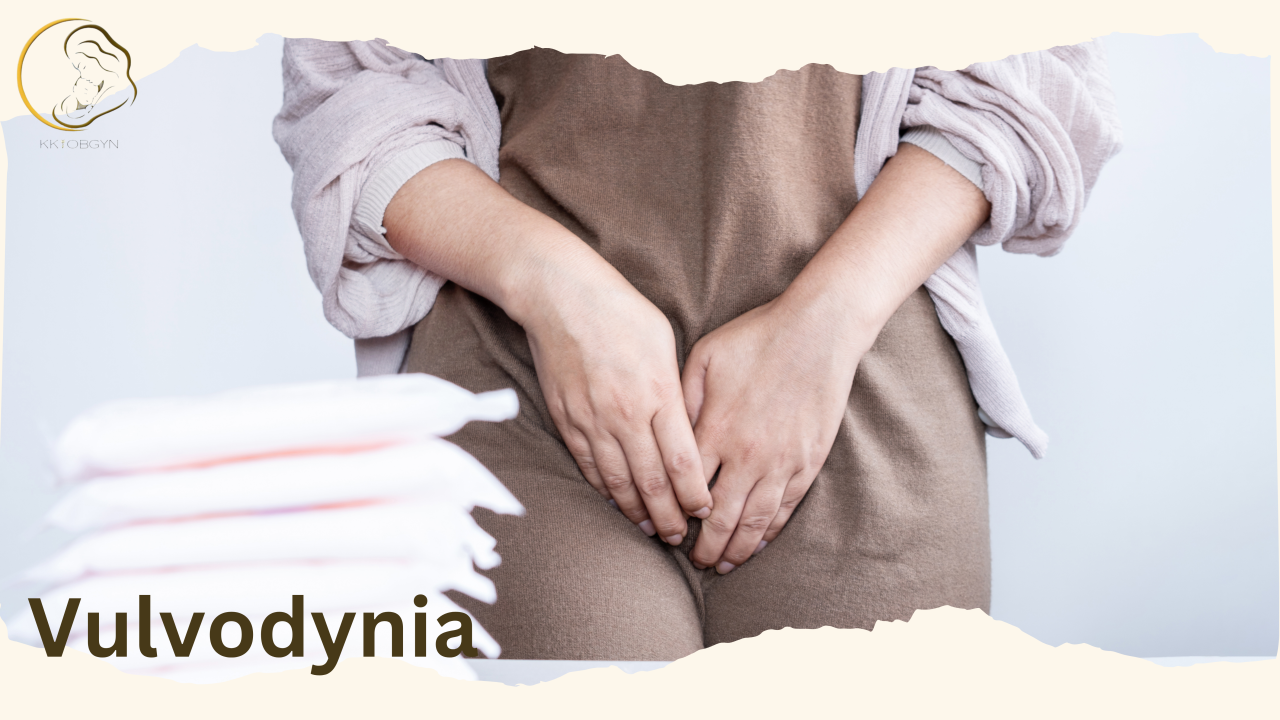
Vulvodynia is a chronic pain condition that affects the vulvar region, which includes the external female genitalia. It is characterized by persistent pain, burning, or irritation that has no identifiable cause and lasts for three months or longer. Vulvodynia can significantly impact a woman’s quality of life, affecting her sexual health, mental well-being, and daily activities. Understanding the causes, symptoms, and treatment options for vulvodynia is essential for managing this often-misunderstood condition.
What is Vulvodynia?
Vulvodynia is a multifaceted condition with pain localized to the vulva, which may affect areas such as the labia, clitoris, or vaginal opening. The pain can vary in intensity and may be described as burning, stinging, irritation, or rawness. Vulvodynia can be classified into two main types:
- Generalized Vulvodynia: Pain occurs in different areas of the vulva and can be constant or intermittent. It may be spontaneous or triggered by touch, pressure, or activities such as sitting, cycling, or wearing tight clothing.
- Localized Vulvodynia (Vestibulodynia): Pain is limited to a specific area of the vulva, most commonly the vestibule (the area surrounding the vaginal opening). The pain is usually provoked by touch or pressure, such as during sexual intercourse, tampon insertion, or gynecological examinations.
Symptoms of Vulvodynia
The symptoms of vulvodynia can vary widely among women but generally include:
- Chronic Vulvar Pain: Persistent pain, burning, or stinging in the vulvar region without an identifiable cause.
- Discomfort During Intercourse (Dyspareunia): Painful intercourse is a common symptom, particularly in women with localized vulvodynia.
- Itching or Irritation: Some women experience itching, soreness, or a feeling of rawness in the vulvar area.
- Pain with Daily Activities: Activities that involve pressure or friction in the vulvar area, such as sitting for long periods, biking, or wearing tight clothing, can exacerbate symptoms.
- Emotional and Psychological Impact: Chronic pain can lead to emotional distress, anxiety, depression, and reduced quality of life.
Causes and Risk Factors
The exact cause of vulvodynia is not well understood, but several potential contributing factors have been identified:
- Nerve Injury or Irritation: Damage or irritation to the nerves that supply the vulvar area may lead to hypersensitivity and chronic pain.
- Inflammation or Infections: Recurrent infections, such as yeast or bacterial infections, may trigger inflammatory responses that lead to vulvodynia.
- Hormonal Changes: Fluctuations in estrogen levels, particularly in menopausal women, can lead to vulvar atrophy and increased sensitivity.
- Muscle Spasms: Dysfunction or spasms of the pelvic floor muscles can contribute to pain and discomfort.
- Genetic Factors: Some women may have a genetic predisposition to chronic pain conditions, including vulvodynia.
- Previous Surgeries or Trauma: Surgical procedures, childbirth, or trauma to the vulvar region may increase the risk of developing vulvodynia.
- Psychosocial Factors: Stress, anxiety, and emotional trauma can exacerbate pain perception and contribute to the development of vulvodynia.
Diagnosis of Vulvodynia
Diagnosing vulvodynia involves a thorough medical history, physical examination, and exclusion of other potential causes of vulvar pain. The diagnostic process may include:
- Medical History: The healthcare provider will ask about the nature, duration, and location of the pain, as well as any associated symptoms, sexual activity, and medical history.
- Pelvic Examination: A careful examination of the vulva and vagina is performed to check for signs of infection, inflammation, or other conditions that may cause pain. The “cotton swab test” is often used to identify areas of tenderness or pain.
- Exclusion of Other Conditions: Tests may be conducted to rule out infections (such as yeast or bacterial infections), skin conditions (such as eczema or lichen sclerosus), or other gynecological disorders.
Treatment Options for Vulvodynia
Managing vulvodynia often requires a multidisciplinary approach that includes both medical and non-medical interventions. Treatment options may include:
- Medications: Various medications can be used to manage pain, including:
- Topical Anesthetics: Lidocaine ointment or gel can provide temporary relief from pain.
- Antidepressants and Anticonvulsants: Tricyclic antidepressants (such as amitriptyline) or anticonvulsants (such as gabapentin or pregabalin) can help reduce nerve pain and sensitivity.
- Hormonal Treatments: Topical estrogen or oral contraceptives may be beneficial for women with hormonal imbalances or vulvar atrophy.
- Nerve Blocks: In some cases, local anesthetic injections may be used to block nerve pain temporarily.
- Physical Therapy: Pelvic floor physical therapy can help relieve muscle tension, improve pelvic floor function, and reduce pain associated with muscle spasms or dysfunction.
- Behavioral Therapy: Cognitive-behavioral therapy (CBT) and biofeedback can help manage pain perception, reduce anxiety, and improve coping strategies for chronic pain.
- Lifestyle Modifications: Avoiding potential irritants, such as scented soaps, tight clothing, or synthetic underwear, can help reduce irritation. Using lubricants during sexual activity and engaging in pain-free sexual practices may also provide relief.
- Dietary Changes: Some women find relief by following a low-oxalate diet, which involves reducing foods high in oxalates, as they may contribute to pain. However, more research is needed to support this approach.
- Surgery: In rare cases, surgery may be considered for women with localized vulvodynia who do not respond to other treatments. A vestibulectomy, which involves the removal of the affected tissue in the vestibule area, may provide pain relief.
Living with Vulvodynia
Living with vulvodynia can be challenging, but there are ways to manage symptoms and improve quality of life:
- Seek Support: Joining support groups or seeking counseling can help women cope with the emotional impact of chronic pain and connect with others who have similar experiences.
- Practice Self-Care: Engaging in activities that promote relaxation, such as yoga, meditation, and mindfulness, can help reduce stress and manage pain.
- Communicate with Your Partner: Open communication with a partner about pain and sexual activity is essential for maintaining intimacy and finding ways to enjoy a fulfilling sex life.
Conclusion
Vulvodynia is a complex and often misunderstood condition that can significantly impact a woman’s life. While the exact cause remains unclear, a variety of treatment options are available to manage symptoms and improve quality of life. Women experiencing persistent vulvar pain should seek evaluation and care from a healthcare provider experienced in managing vulvodynia. With a multidisciplinary approach and the right support, many women with vulvodynia can find relief and improve their well-being.