

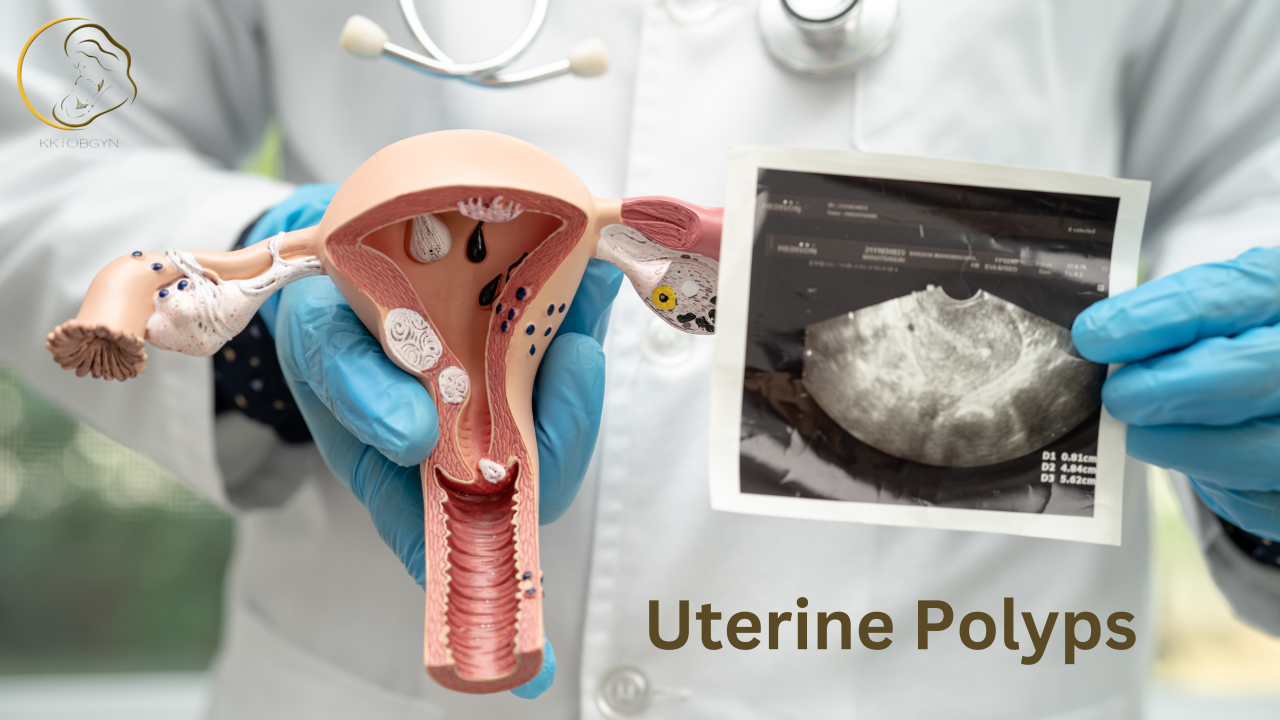
Uterine Polyps: Symptoms, Risks, and Treatment Options
Uterine polyps, also known as endometrial polyps, are growths that occur on the inner wall of the uterus. While they are usually benign (non-cancerous), they can sometimes cause symptoms that interfere with a woman’s quality of life or lead to more serious health issues. Understanding the symptoms, risks, and treatment options for uterine polyps is essential for effective management and maintaining reproductive health.
What Are Uterine Polyps?
Uterine polyps are growths attached to the inner wall of the uterus, extending into the uterine cavity. They develop from the overgrowth of the endometrial tissue and are connected to the uterine wall by a thin stalk or a broad base. Polyps can vary in size, from as small as a sesame seed to as large as a golf ball, and there may be one or multiple polyps present.
Symptoms of Uterine Polyps
Many women with uterine polyps do not experience any symptoms, and the condition is often discovered during routine examinations. However, when symptoms do occur, they may include:
- Irregular Menstrual Bleeding: This is the most common symptom of uterine polyps. Women may experience unpredictable menstrual cycles, including heavy bleeding (menorrhagia), spotting between periods, or prolonged periods.
- Bleeding After Menopause: Postmenopausal bleeding is a concerning symptom that often warrants further investigation, as it could indicate the presence of uterine polyps or other underlying conditions.
- Infertility or Difficulty Conceiving: In some cases, uterine polyps may interfere with conception or lead to recurrent miscarriages.
- Pelvic Pain or Discomfort: Although less common, large polyps may cause a feeling of heaviness or discomfort in the pelvic area.
Risks Associated with Uterine Polyps
While most uterine polyps are benign, there are some risks associated with their presence:
- Potential for Malignancy: A small percentage of uterine polyps can become cancerous. The risk of malignancy increases in postmenopausal women and those with symptoms such as postmenopausal bleeding.
- Impact on Fertility: Polyps that distort the uterine cavity can affect the implantation of a fertilized egg, leading to difficulty conceiving or an increased risk of miscarriage.
- Recurrent Polyps: Even after removal, uterine polyps can recur, necessitating regular follow-up and monitoring.
Causes and Risk Factors
The exact cause of uterine polyps is not fully understood, but they are thought to be influenced by hormonal factors. Estrogen, which stimulates the growth of the uterine lining, appears to play a significant role in the development of polyps. Several risk factors have been identified, including:
- Age: Uterine polyps are more common in women in their 40s and 50s, particularly around the time of menopause.
- Hormonal Imbalances: Conditions that lead to hormonal imbalances, such as polycystic ovary syndrome (PCOS) or obesity, can increase the risk of developing polyps.
- Tamoxifen Use: Women taking tamoxifen, a medication used to treat breast cancer, may have an increased risk of developing uterine polyps.
- High Blood Pressure: Some studies suggest a link between hypertension and an increased risk of uterine polyps.
Diagnosis of Uterine Polyps
Uterine polyps are typically diagnosed through several methods:
- Transvaginal Ultrasound: This imaging technique uses sound waves to create a picture of the uterus and can help identify the presence of polyps.
- Hysteroscopy: This procedure involves inserting a thin, lighted instrument (hysteroscope) through the vagina and cervix into the uterus to visualize the uterine cavity directly. It allows for both diagnosis and potential removal of polyps.
- Endometrial Biopsy: A small sample of tissue from the uterine lining is collected and examined under a microscope to rule out cancer or other abnormalities.
Treatment Options for Uterine Polyps
The treatment of uterine polyps depends on several factors, including the size of the polyps, the severity of symptoms, the patient’s age, and their reproductive plans. Common treatment options include:
- Watchful Waiting: If polyps are small, asymptomatic, and benign, a “wait-and-see” approach may be adopted, especially in premenopausal women. Regular monitoring is necessary to ensure they do not grow or cause symptoms.
- Medications: Hormonal medications, such as progestins or gonadotropin-releasing hormone agonists, may help reduce symptoms, but they are not a long-term solution. Symptoms often return when the medication is stopped.
- Surgical Removal (Polypectomy): This is the most common treatment for symptomatic or large polyps. It is typically performed during a Hysteroscopy, where the polyps are removed using specialized instruments. Polypectomy is often performed as an outpatient procedure with minimal recovery time.
- Hysterectomy: In rare cases, when polyps are recurrent, very large, or cancerous, a hysterectomy (removal of the uterus) may be recommended, especially if other treatment options have been unsuccessful or if the patient is postmenopausal.
Prevention and Follow-Up
While there is no guaranteed way to prevent uterine polyps, regular gynecological check-ups and timely management of symptoms can help in early detection and treatment. Women with a history of uterine polyps should have regular follow-up visits to monitor for recurrence.
Conclusion
Uterine polyps are a common gynecological condition that can affect women of all ages, particularly those approaching menopause. Understanding the symptoms, risks, and treatment options is essential for effective management and maintaining reproductive health. If you experience any symptoms associated with uterine polyps, such as irregular bleeding or pelvic discomfort, consult your healthcare provider for an accurate diagnosis and personalized treatment plan.
Uterine polyps are growths that develop on the inner wall of the uterus and extend into the uterine cavity. While most uterine polyps are benign, they can cause symptoms that affect your quality of life and reproductive health. Understanding uterine polyps—including their symptoms, potential risks, and available treatment options—is essential for effective management. At Dr KY Kakudji's practice in Randfontein, we provide comprehensive evaluation and personalized treatment plans to address your gynecological health concerns.
Uterine polyps, also called endometrial polyps, are benign growths that develop on the inner uterine wall. While most uterine polyps remain asymptomatic, some women experience irregular bleeding or fertility challenges. Understanding uterine polyps—their symptoms, causes, and treatment options—is essential for maintaining reproductive health. At Dr KY Kakudji's practice in Randfontein, we provide comprehensive evaluation and personalized treatment plans to address your specific needs and concerns.