Understanding the Risks of Smoking and Alcohol During Pregnancy
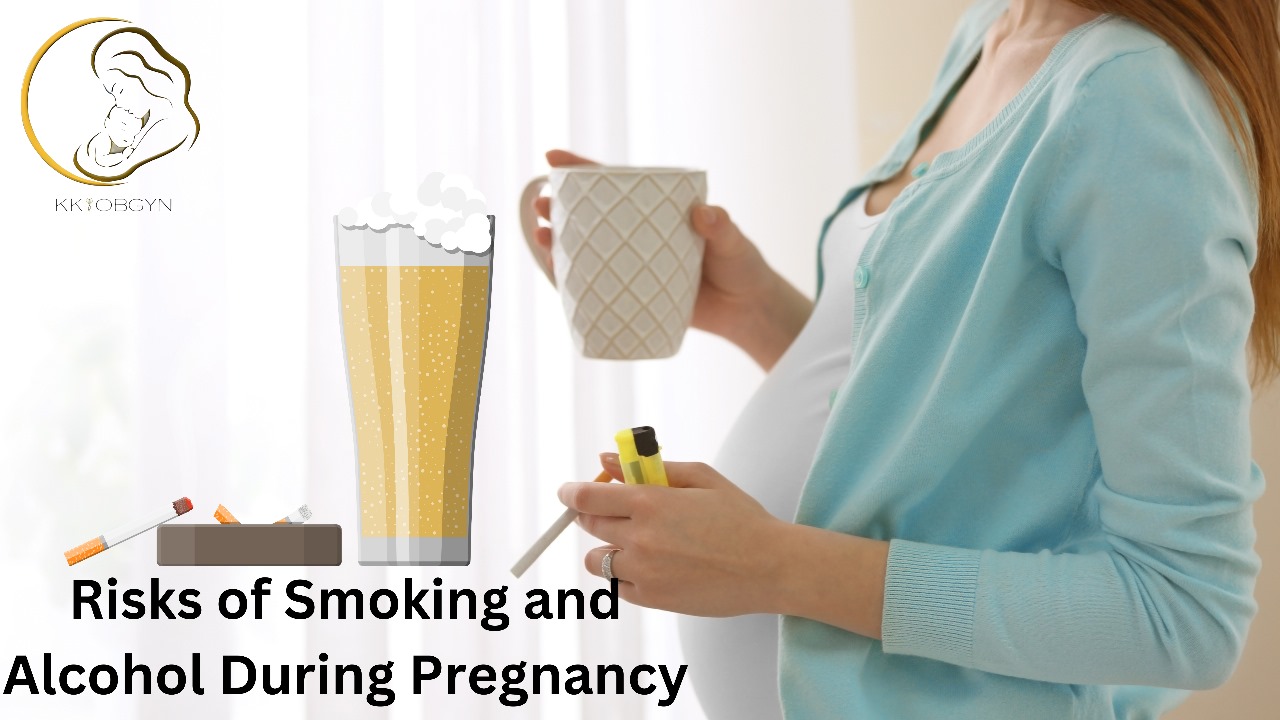
Pregnancy is a time when lifestyle choices can directly impact the health and development of a baby. Two of the most critical risk factors for adverse outcomes in pregnancy are smoking and alcohol consumption. Both can lead to serious health complications for the baby, ranging from low birth weight to developmental issues. This article provides an in-depth look at why smoking and alcohol are hazardous during pregnancy, the specific risks involved, and helpful strategies for quitting.
The Dangers of Smoking During Pregnancy
Smoking during pregnancy exposes a developing baby to harmful chemicals, including nicotine, carbon monoxide, and tar. These substances have severe effects on fetal development.
- Nicotine: Reduces blood flow to the placenta, limiting the oxygen and nutrients available to the fetus, impacting growth and brain development.
- Carbon Monoxide: Displaces oxygen in the blood, meaning the fetus receives less oxygen than it needs for healthy development.
- Tar: Contains carcinogens and heavy metals, which can harm fetal organ development.
Risks Associated with Smoking During Pregnancy
- Low Birth Weight and Premature Birth: Babies born to mothers who smoke are often smaller and may be born prematurely. Low birth weight increases the risk of health complications, such as respiratory issues and infections.
- Increased Risk of Sudden Infant Death Syndrome (SIDS): Smoking during pregnancy doubles the risk of SIDS. Babies exposed to nicotine in utero have altered breathing patterns, which can lead to SIDS.
- Developmental and Cognitive Delays: Studies indicate that smoking during pregnancy can impair a child’s cognitive development, affecting areas like attention, learning, and memory. Children exposed to smoking in utero may also struggle with hyperactivity and behavioral issues later in life.
- Increased Risk of Birth Defects: Smoking can lead to various birth defects, including cleft lip, cleft palate, and heart defects. Exposure to toxic chemicals during pregnancy interferes with normal fetal development, increasing the chances of structural abnormalities.
- Complications for the Mother: Smoking heightens the risk of complications like placenta previa (when the placenta covers the cervix) and placental abruption (when the placenta separates from the uterine wall), which are serious conditions that can endanger both mother and baby.
Why Alcohol Is Dangerous During Pregnancy
There is no safe level of alcohol consumption during pregnancy. Alcohol crosses the placenta and reaches the fetus, where it can interfere with brain and organ development.
Risks Associated with Alcohol During Pregnancy
- Fetal Alcohol Spectrum Disorders (FASD): FASD is a group of conditions that occur in children whose mothers drank alcohol during pregnancy. Symptoms may include abnormal facial features, stunted growth, and central nervous system problems. Children with FASD often face lifelong challenges, including learning disabilities, poor coordination, and behavioral issues.
- Miscarriage and Stillbirth: Consuming alcohol increases the risk of miscarriage, especially during the first trimester when vital organs are forming. It also raises the risk of stillbirth, where a baby is born without signs of life after 20 weeks of pregnancy.
- Developmental and Behavioral Issues: Alcohol disrupts the development of the fetal brain, which can lead to lasting behavioral and cognitive problems. Children with prenatal alcohol exposure may have difficulty with memory, attention, and social skills, which can impact their education and relationships.
- Low Birth Weight: Babies exposed to alcohol often weigh less at birth, which can lead to various health issues and developmental delays.
How Smoking and Alcohol Affect Different Stages of Pregnancy
- First Trimester: The first trimester is when the fetus is most vulnerable, as essential organs and systems are forming. Smoking and drinking during this period can lead to congenital anomalies and increase the risk of miscarriage.
- Second Trimester: Smoking and drinking during the second trimester can impair fetal growth, leading to low birth weight and restricted head growth, which is linked to cognitive and developmental issues.
- Third Trimester: In the final trimester, the brain is rapidly developing. Any exposure to nicotine or alcohol during this stage can interfere with brain cell formation, impacting cognitive function, memory, and behavior.
Strategies for Quitting Smoking and Alcohol During Pregnancy
- Seek Professional Support: Talk to your doctor or healthcare provider about quitting. Many healthcare providers offer resources, including counseling and support groups, that can help.
- Consider Nicotine Replacement Therapy (NRT): For individuals who find it difficult to quit smoking cold turkey, NRT may be an option. However, it should only be used under medical supervision to ensure the lowest risk to the fetus.
- Set Clear Goals and Use a Support System: Let family members and friends know that you’re committed to a smoke-free and alcohol-free pregnancy. A solid support system can make a huge difference when facing cravings.
- Mindfulness and Stress-Reduction Techniques: Mindfulness, meditation, and deep breathing exercises can reduce stress and help manage cravings. For some, engaging in a calming activity like yoga or journaling can provide distraction and support the quit journey.
- Avoid Triggers and Plan for Alternatives: Identify specific situations that trigger cravings and create a plan to handle them without smoking or drinking. For example, if social situations are difficult, consider attending events that don’t center around alcohol or stepping outside for fresh air if cravings strike.
- Build a Healthy Routine: Regular exercise, nutritious eating, and ample hydration can help replace smoking and alcohol cravings with positive behaviors. Staying active and eating well can improve mood, energy, and overall well-being during pregnancy.
Long-Term Benefits of Avoiding Smoking and Alcohol
Choosing to avoid smoking and alcohol during pregnancy has lifelong benefits for both the mother and the baby. For the baby, these include a reduced risk of SIDS, fewer behavioral issues, and better physical health. For the mother, the benefits extend beyond pregnancy, as quitting smoking or abstaining from alcohol can reduce the risk of cancer, heart disease, and liver issues.
Conclusion
Smoking and alcohol use during pregnancy are leading risk factors for serious health complications. Avoiding these substances offers significant benefits, helping to promote a healthy pregnancy and give the baby the best start in life. For those who struggle with quitting, reaching out for support and adopting healthy habits can be invaluable. Taking steps to quit smoking and abstain from alcohol is one of the most impactful ways to prioritize the health and well-being of both mother and child.
Smoking and alcohol during pregnancy are among the most critical risk factors for adverse outcomes in fetal development. There is no safe level of alcohol consumption during pregnancy, and smoking directly exposes your developing baby to harmful chemicals like nicotine, carbon monoxide, and tar. At Dr KY Kakudji INC in Randfontein, we provide comprehensive antenatal support to help pregnant women understand smoking and alcohol during pregnancy risks. Our compassionate team offers counselling and practical strategies to protect your baby's health and ensure the safest pregnancy possible.
Smoking and alcohol during pregnancy are two of the most critical risk factors for adverse outcomes in pregnancy. Both can lead to serious health complications for the baby, ranging from low birth weight to developmental issues. Understanding the dangers of smoking and alcohol during pregnancy is essential for every expectant mother. Dr KY Kakudji at Lenmed Randfontein emphasizes that there is no safe level of alcohol consumption during pregnancy, and smoking exposes developing babies to harmful chemicals like nicotine, carbon monoxide, and tar. Making informed choices about smoking and alcohol during pregnancy protects both mother and baby.