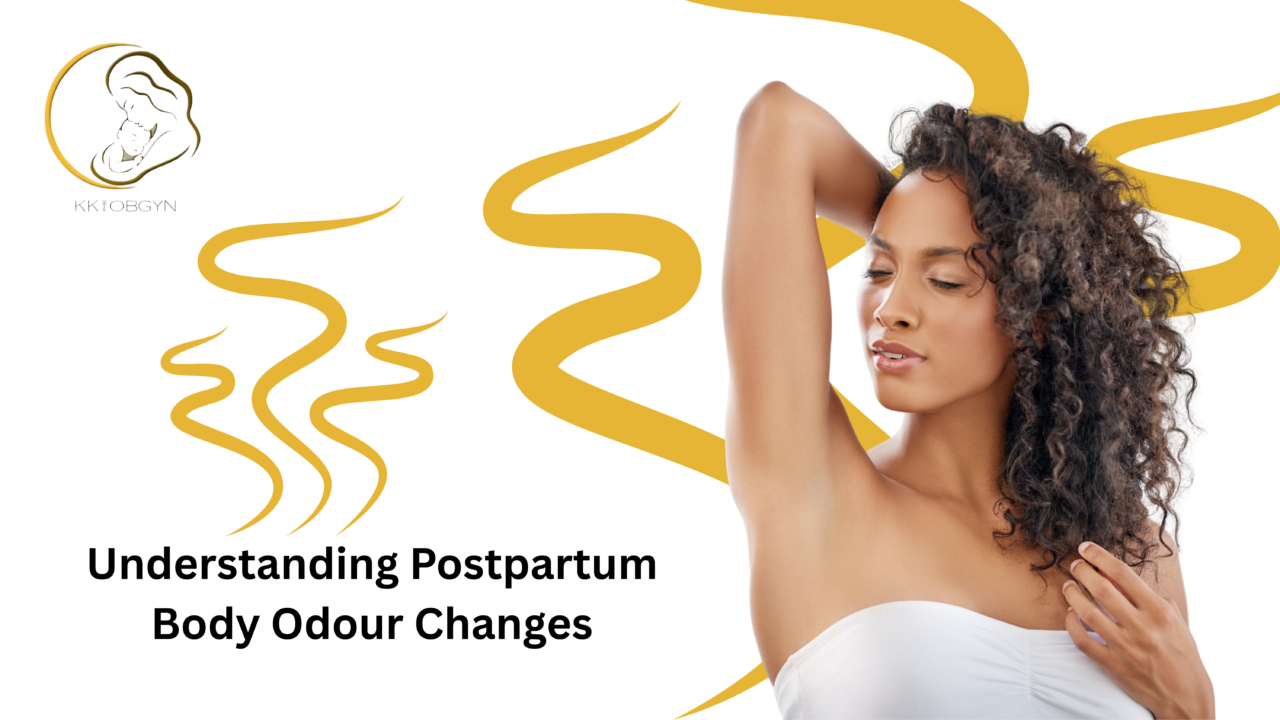
After childbirth, many women notice unexpected changes in their body, some of which are rarely discussed openly. One of these changes is a noticeable shift in body odour. Some women report smelling stronger, different, or “more musky” than usual, even with good hygiene. Others feel their sweat smells more intense, or that their natural scent has changed completely.
This can be surprising and sometimes embarrassing, especially during a time when a woman is already adjusting emotionally and physically to motherhood. However, postpartum body odour changes are very common and usually temporary.
These changes are not a sign of poor hygiene. Instead, they are the result of powerful hormonal shifts, increased sweating, fluid changes, and the body’s natural postpartum recovery processes.
Understanding why this happens can help reduce anxiety and normalise what is often a misunderstood postpartum symptom.
Why Body Odour Changes After Birth
Body odour is influenced by several factors, including:
- Hormones
- Sweat production
- Skin bacteria
- Diet
- Hydration
- Stress levels
After delivery, all of these factors undergo significant changes.
The postpartum period is marked by rapid hormonal fluctuations, especially the sudden drop in pregnancy hormones and the rise of breastfeeding-related hormones.
Key Postpartum Changes Affecting Odour
| Factor | Effect |
|---|---|
| Hormonal drop | Changes sweat composition |
| Increased sweating | Stronger odour |
| Stress hormones | Altered body scent |
| Fluid shifts | Changes skin chemistry |
| Breastfeeding hormones | Body chemistry adjustments |
These changes can temporarily alter how a woman naturally smells.
Hormonal Changes and Body Scent
Hormones play a major role in regulating sweat glands and skin oils.
After birth, levels of:
- Oestrogen
- Progesterone
- hCG
drop rapidly.
At the same time, hormones involved in breastfeeding such as:
- Prolactin
- Oxytocin
become dominant.
These shifts influence how sweat is produced and how bacteria interact with the skin.
Hormonal Effects on Odour
| Hormone | Influence on Body Odour |
|---|---|
| Oestrogen drop | Reduced skin stability |
| Progesterone drop | Changes in sweat glands |
| Prolactin rise | Altered metabolism |
| Oxytocin | Emotional and physiological shifts |
Because hormones affect sweat composition, even normal sweating may smell different postpartum.
Increased Sweating After Delivery
Many women experience increased sweating after giving birth, especially at night.
This is known as postpartum night sweats.
It occurs because the body is trying to eliminate excess fluid accumulated during pregnancy.
Common Features of Postpartum Sweating
✔ Night sweating
✔ Damp bedding
✔ Hot flashes
✔ Sudden sweating episodes
✔ Stronger body odour
This increased sweating can temporarily intensify body smell.
The Role of Fluid Retention and Release
During pregnancy, the body retains extra fluid to support:
- Increased blood volume
- Placental function
- Amniotic fluid
- Tissue expansion
After delivery, the body begins to release this excess fluid through:
- Urine
- Sweat
- Vaginal discharge (lochia)
As fluids are eliminated, sweat composition may change, affecting body odour.
Stress, Sleep Deprivation, and Odour Changes
The postpartum period is physically and emotionally demanding.
New mothers often experience:
- Interrupted sleep
- Emotional stress
- Anxiety
- Physical exhaustion
Stress activates the sympathetic nervous system, which increases sweat production from apocrine glands (the glands responsible for body odour).
Stress and Body Odour
| Stress Factor | Effect |
|---|---|
| Anxiety | Increased sweating |
| Sleep deprivation | Hormonal imbalance |
| Emotional stress | Stronger sweat odour |
| Fatigue | Altered body chemistry |
Stress sweat tends to smell stronger than normal thermal sweat.
Breastfeeding and Body Odour Changes
Breastfeeding introduces additional hormonal changes that can influence body scent.
Some women notice:
- A more noticeable natural smell
- Changes in skin chemistry
- Increased sweating during feeds
- Hormonal fluctuations affecting odour intensity
These changes are normal and usually settle as breastfeeding patterns stabilise.
Diet and Postpartum Body Odour
Diet can influence how sweat smells.
After birth, women may experience changes in appetite, cravings, or dietary habits.
Certain foods can contribute to stronger body odour, including:
- Garlic
- Onions
- Spices
- Caffeine
- Processed foods
Foods That May Affect Odour
| Food Type | Possible Effect |
|---|---|
| Spicy foods | Stronger sweat scent |
| Garlic/onions | Lingering body odour |
| Caffeine | Increased sweating |
| Sugary foods | Skin bacterial changes |
Hydration and balanced nutrition may help stabilise body scent over time.
Hormonal Sweat vs Infection-Related Odour
It is important to distinguish normal postpartum odour changes from signs of infection.
Normal hormonal odour changes are usually:
- Generalised
- Mild to moderate
- Fluctuating
- Not associated with fever
In contrast, infection-related odour may be:
- Strong and foul-smelling
- Localised (e.g., vaginal or wound area)
- Accompanied by fever or pain
Comparison Table
| Hormonal Odour Changes | Possible Infection |
|---|---|
| Mild to moderate smell | Strong foul smell |
| General body area | Localised area |
| No fever | Fever present |
| Improves over time | Worsens over time |
Any suspicious odour should be evaluated by a healthcare provider.
Postpartum Vaginal Odour vs Body Odour
It is important not to confuse general body odour changes with vaginal odour changes.
After birth, vaginal discharge (lochia) is normal and may have a distinct smell due to:
- Blood
- Tissue healing
- Uterine recovery
This is different from overall body odour changes and follows a predictable pattern over several weeks.
When Body Odour Changes Are Most Noticeable
Postpartum odour changes are often strongest during:
- The first 2–6 weeks after birth
- Nighttime sweating episodes
- Periods of stress or fatigue
- Early breastfeeding stages
Most women notice gradual improvement as hormones stabilise.
How Long Do Postpartum Odour Changes Last?
For most women, body odour gradually returns to pre-pregnancy patterns within:
- A few weeks to a few months
However, duration varies depending on:
- Breastfeeding duration
- Hormonal balance
- Stress levels
- Overall health
Normal Changes vs When to Seek Medical Advice
Normal Postpartum Odour Changes
✔ Mild to moderate odour changes
✔ Night sweating
✔ Fluctuating smell intensity
✔ No fever or pain
✔ Gradual improvement
Medical Attention Recommended
□ Sudden strong foul smell
□ Fever or chills
□ Pain or redness (especially around wounds)
□ Vaginal discharge with abnormal smell
□ Symptoms worsening over time
Practical Ways to Manage Postpartum Body Odour
Although this change is temporary, several strategies may help improve comfort.
Maintain Good Hygiene
Regular bathing and clean clothing can help manage increased sweating.
Wear Breathable Fabrics
Cotton and natural fabrics help reduce sweat buildup.
Stay Hydrated
Hydration supports detoxification and sweat regulation.
Manage Stress
Techniques such as:
- Rest
- Deep breathing
- Emotional support
- Prayer or meditation
may reduce stress-related sweating.
Balanced Nutrition
Eating a balanced diet may help stabilise body chemistry.
Emotional Impact of Body Odour Changes
For many women, postpartum body changes can affect confidence and emotional wellbeing.
It is important to recognise that:
- These changes are normal
- They are temporary
- They are part of postpartum recovery
Support from partners, family, and healthcare providers can help reduce emotional distress.
Conclusion
Postpartum body odour changes are a normal and temporary part of the postpartum recovery process. They are primarily caused by hormonal fluctuations, increased sweating, fluid shifts, stress, sleep deprivation, and metabolic changes following childbirth.
Although these changes can feel uncomfortable or embarrassing, they are not a sign of poor hygiene or illness in most cases. Instead, they reflect the body’s natural process of readjusting after pregnancy.
Most women notice gradual improvement as hormone levels stabilise and the body completes its postpartum recovery. However, any sudden, strong, or foul-smelling odour accompanied by fever or pain should always be assessed by a healthcare professional to rule out infection.
Understanding these changes helps normalise the postpartum experience and reassures new mothers that their bodies are simply adapting to one of the most significant transitions in human physiology.