Understanding and Preventing Newborn Jaundice: A Parent's Guide
Newborn jaundice is a common condition that affects many infants in the first days of life. While it can be concerning for parents, understanding its causes, symptoms, and prevention methods can help manage and alleviate this condition effectively. This blog aims to provide a comprehensive guide to understanding newborn jaundice, its risk factors, treatments, and preventive measures.
What is Newborn Jaundice?
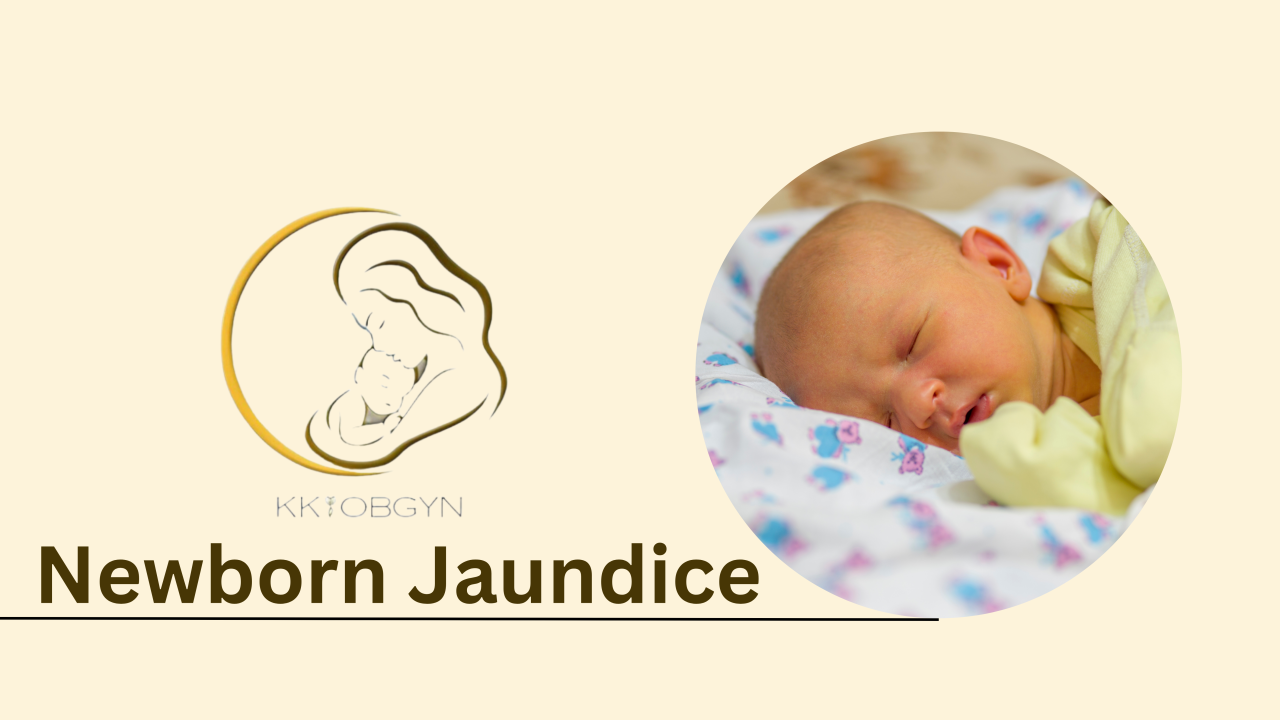
Newborn jaundice, also known as neonatal jaundice, is a condition characterized by yellowing of the skin and whites of the eyes. It occurs when there is an accumulation of bilirubin, a substance produced during the normal breakdown of red blood cells, in the baby’s blood. Bilirubin is typically processed by the liver and excreted from the body in bile. In newborns, however, the liver is still developing and may not yet be efficient at processing bilirubin, leading to its buildup in the bloodstream.
Types of Newborn Jaundice
There are different types of newborn jaundice, including:
- Physiological Jaundice: This is the most common type and occurs as a normal response to the newborn’s immature liver function.
- Breastfeeding Jaundice: Occurs when inadequate intake of breast milk leads to dehydration, causing bilirubin levels to rise.
- Breast Milk Jaundice: This occurs in some breastfed babies due to a substance in breast milk that inhibits bilirubin metabolism.
- Blood Group Incompatibility Jaundice: If the mother and baby have incompatible blood types (e.g., Rh incompatibility), the baby’s immune system may attack red blood cells, releasing more bilirubin than the baby’s liver can handle.
Symptoms of Newborn Jaundice
The main symptom of newborn jaundice is yellowing of the skin and whites of the eyes, typically appearing first on the face and then progressing downwards to the chest, abdomen, and legs. Other signs may include:
- Listlessness or difficulty waking
- Poor feeding
- High-pitched crying
- Dark urine or pale stools
Risk Factors for Newborn Jaundice
Certain factors can increase the risk of newborn jaundice:
- Premature birth: Babies born before 37 weeks may have less developed livers.
- Breastfeeding: Breastfeeding jaundice can occur if the baby is not nursing well or not getting enough milk.
- Blood type incompatibility: If the mother and baby have different blood types, there may be an increased risk of jaundice due to blood cell breakdown.
- East Asian or Mediterranean descent: Babies of East Asian or Mediterranean descent may have higher levels of bilirubin.
Diagnosing Newborn Jaundice
Newborn jaundice is often diagnosed through a physical examination, where the healthcare provider observes the yellowing of the baby’s skin and eyes. In some cases, a blood test may be conducted to measure the level of bilirubin in the baby’s blood.
Treatment and Management
Treatment for newborn jaundice depends on the severity of the condition and its underlying cause:
- Phototherapy: This involves placing the baby under special lights (phototherapy) that help break down bilirubin in the skin so that it can be excreted in the urine and stool.
- Exchange Transfusion: In severe cases of jaundice, where levels of bilirubin are very high and not responding to phototherapy, an exchange transfusion may be performed. This involves slowly removing small amounts of the baby’s blood and replacing it with donor blood.
- Fluid Intake: Ensuring the baby is well-hydrated can help reduce bilirubin levels. For breastfed babies, this may involve frequent nursing sessions to promote milk intake.
Preventive Measures
While newborn jaundice is not entirely preventable, there are steps you can take to reduce its severity:
- Early and frequent breastfeeding: Ensuring adequate milk intake helps prevent dehydration and reduces the risk of breastfeeding jaundice.
- Monitoring: Regular monitoring of bilirubin levels in at-risk babies can help detect jaundice early and initiate appropriate treatment.
- Follow-up Care: Follow your healthcare provider’s recommendations for well-baby check-ups and screenings to monitor bilirubin levels.
- Educational Support: Educate yourself about the signs and symptoms of jaundice, especially if you have risk factors such as blood type incompatibility.
Conclusion
Newborn jaundice is a common condition in infants that usually resolves on its own without long-term consequences. By understanding the causes, symptoms, risk factors, and preventive measures associated with newborn jaundice, parents can feel empowered to recognize early signs, seek timely medical care, and support their baby’s health and well-being effectively. If you notice yellowing of your baby’s skin or eyes or have concerns about jaundice, consult your healthcare provider for guidance and appropriate management. With attentive care and early intervention, newborn jaundice can be effectively managed to ensure a healthy start for your baby.
Newborn jaundice is a common condition that affects many infants in the first days of life, but understanding prevention strategies can help manage this condition effectively. At Dr KY Kakudji's practice in Randfontein, we provide expert guidance on newborn jaundice care as part of our comprehensive postnatal support services. Prevention of newborn jaundice involves early and frequent breastfeeding to ensure adequate milk intake, regular monitoring of bilirubin levels, and immediate medical attention if symptoms appear. Our team helps new parents understand risk factors and implement preventive measures during antenatal clinics and postnatal follow-ups, ensuring your newborn receives the best possible care from birth.
Newborn jaundice prevention begins with understanding this common condition that affects many infants. While newborn jaundice prevention may seem challenging, several proven strategies can significantly reduce severity and complications. Early and frequent breastfeeding is one of the most effective newborn jaundice prevention methods, as adequate milk intake helps prevent dehydration and reduces bilirubin buildup. At Dr KY Kakudji's practice in Randfontein, we provide comprehensive guidance on newborn jaundice prevention during antenatal clinics and postnatal support, ensuring parents understand risk factors and monitoring requirements. Our evidence-based approach to newborn jaundice prevention empowers families with knowledge and professional care.
Newborn jaundice prevention starts with understanding this common condition affecting many infants in their first days of life. Newborn jaundice occurs when bilirubin accumulates in your baby's blood—a natural byproduct of red blood cell breakdown. While newborn jaundice is not entirely preventable, early intervention and proper monitoring can significantly reduce severity. At Lenmed Randfontein, Dr KY Kakudji specializes in evidence-based newborn jaundice prevention strategies, including optimized feeding practices and bilirubin level monitoring. Understanding the risk factors and taking preventive measures empowers parents to protect their newborns effectively.