Pregnancy-Induced Hypertension: Expert Management & Care Guide
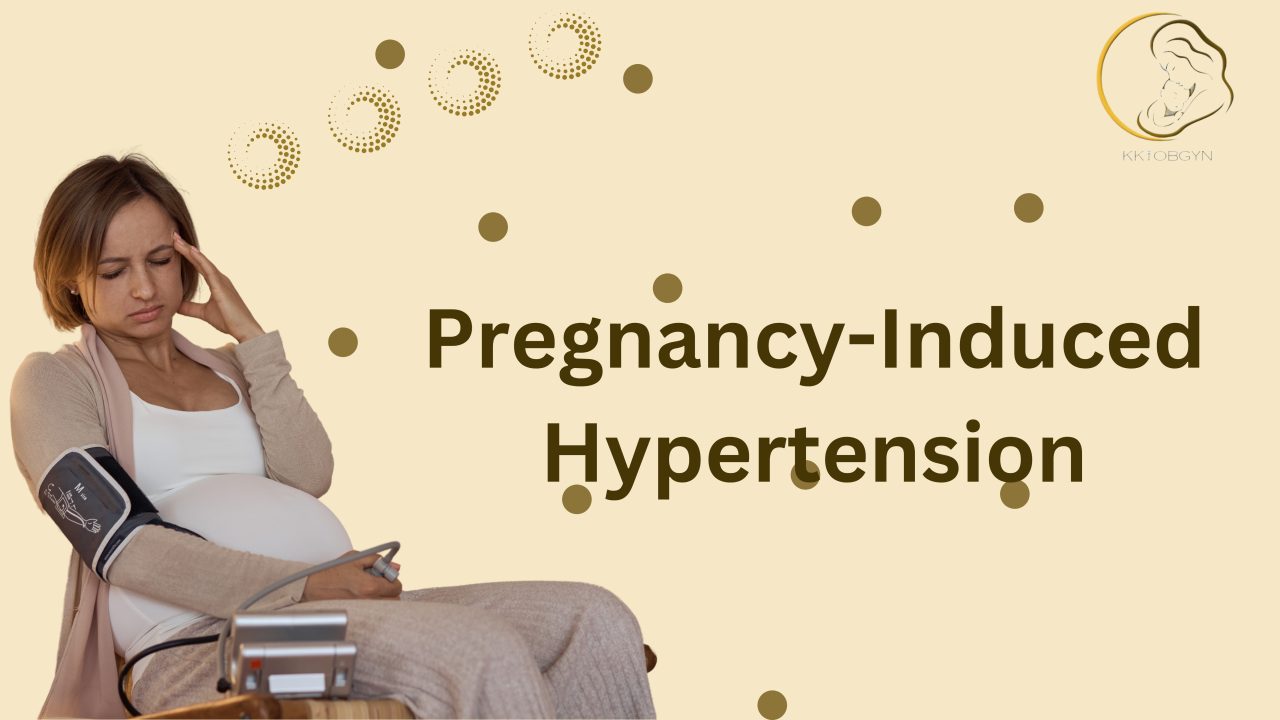
Pregnancy is a transformative period in a woman’s life, bringing joy and anticipation. However, it also comes with various health challenges, one of which is pregnancy-induced hypertension (PIH). Also known as gestational hypertension, PIH is a condition characterized by high blood pressure that develops after 20 weeks of pregnancy. Managing this condition effectively is crucial to ensure the health and well-being of both the mother and the baby. In this blog, we will delve into the causes, symptoms, risks, diagnosis, and management strategies for pregnancy-induced hypertension.
What is Pregnancy-Induced Hypertension?
Pregnancy-induced hypertension (PIH) is defined as high blood pressure (140/90 mm Hg or higher) that develops after 20 weeks of gestation in a previously normotensive woman. Unlike chronic hypertension, which is present before pregnancy or diagnosed before 20 weeks of gestation, PIH occurs specifically due to pregnancy.
Types of Hypertensive Disorders in Pregnancy
PIH falls under the broader category of hypertensive disorders in pregnancy, which includes:
- Gestational Hypertension: High blood pressure that develops after 20 weeks of pregnancy without the presence of protein in the urine.
- Preeclampsia: High blood pressure after 20 weeks of pregnancy accompanied by proteinuria (protein in the urine) and other organ dysfunctions.
- Eclampsia: A severe form of preeclampsia that leads to seizures or coma.
- Chronic Hypertension: High blood pressure that was present before pregnancy or diagnosed before 20 weeks of gestation.
- Chronic Hypertension with Superimposed Preeclampsia: Chronic hypertension with the development of preeclampsia.
Causes and Risk Factors
The exact cause of pregnancy-induced hypertension is not fully understood, but several factors can increase the risk:
- First Pregnancy: Women in their first pregnancy are at a higher risk.
- Age: Women younger than 20 or older than 35 are at increased risk.
- Obesity: Being overweight or obese can increase the risk of PIH.
- Multiple Pregnancies: Carrying twins or higher-order multiples increases the risk.
- Family History: A family history of hypertension or preeclampsia can raise the risk.
- Medical Conditions: Conditions such as diabetes, kidney disease, and autoimmune disorders can contribute to the development of PIH.
- Lifestyle Factors: Poor diet, lack of physical activity, and high stress levels can also increase the risk.
Symptoms of Pregnancy-Induced Hypertension
PIH may not always present noticeable symptoms, especially in the early stages. However, as the condition progresses, the following symptoms may occur:
- Persistent headache
- Visual disturbances (blurry vision, seeing spots)
- Swelling in the hands and face
- Sudden weight gain
- Upper abdominal pain, particularly under the ribs on the right side
- Nausea and vomiting
- Shortness of breath
Risks and Complications
- For the Mother:
- Preeclampsia and Eclampsia: Progression to these more severe conditions can result in seizures, organ damage, and even death.
- Placental Abruption: The placenta detaches from the uterine wall, causing severe bleeding and jeopardizing the baby’s oxygen supply.
- Organ Damage: Particularly to the liver and kidneys.
- Stroke: High blood pressure can increase the risk of a stroke.
- For the Baby:
- Preterm Birth: High blood pressure can lead to early delivery, resulting in potential complications related to prematurity.
- Intrauterine Growth Restriction (IUGR): Reduced blood flow to the placenta can slow the baby’s growth.
- Low Birth Weight: Babies born to mothers with PIH may have lower birth weights.
- Stillbirth: In severe cases, untreated hypertension can lead to fetal death.
Diagnosis
Diagnosis of pregnancy-induced hypertension involves regular prenatal check-ups where your healthcare provider will monitor your blood pressure and look for signs of proteinuria. Diagnostic steps include:
- Blood Pressure Monitoring: Regular checks to detect any rise in blood pressure.
- Urine Tests: To check for protein in the urine.
- Blood Tests: To assess liver and kidney function and platelet count.
- Fetal Ultrasound: To monitor the baby’s growth and amniotic fluid levels.
- Non-Stress Test: To evaluate the baby’s heart rate and movement.
Managing Pregnancy-Induced Hypertension
Effective management of PIH is essential to minimize risks and complications. Here are some strategies to manage the condition:
1. Regular Prenatal Care
Frequent prenatal visits are crucial for monitoring blood pressure, assessing the baby’s growth, and detecting any early signs of complications.
2. Lifestyle Modifications
- Healthy Diet: Focus on a balanced diet rich in fruits, vegetables, lean proteins, and whole grains. Limit salt intake to help control blood pressure.
- Hydration: Drink plenty of water to stay hydrated.
- Physical Activity: Engage in regular, moderate exercise, such as walking or prenatal yoga, with your healthcare provider’s approval.
- Stress Management: Practice relaxation techniques such as deep breathing, meditation, and prenatal yoga to reduce stress levels.
3. Medication
Your healthcare provider may prescribe medication to manage high blood pressure. It’s essential to take the prescribed medication as directed and not to discontinue it without consulting your healthcare provider.
4. Monitoring and Bed Rest
In some cases, bed rest may be recommended to help lower blood pressure and reduce the risk of complications. Regular monitoring at home or in a hospital setting may also be necessary.
5. Close Monitoring of the Baby
Frequent ultrasounds and non-stress tests can help monitor the baby’s well-being and detect any signs of distress or growth restriction.
6. Plan for Delivery
In some cases, early delivery may be necessary to protect the health of the mother and baby. Your healthcare provider will discuss the best timing and method of delivery based on your specific condition.
Conclusion
Pregnancy-induced hypertension is a serious condition that requires careful management and regular monitoring. By understanding the risk factors, recognizing the symptoms, and following a comprehensive management plan, you can reduce the risks associated with PIH and ensure a healthier pregnancy for you and your baby. Always consult with your healthcare provider for personalized advice and treatment options tailored to your individual needs. With the right care and support, you can navigate the challenges of PIH and work towards a safe and successful pregnancy.
Pregnancy-induced hypertension (PIH), also called gestational hypertension, is high blood pressure that develops after 20 weeks of pregnancy. Managing pregnancy-induced hypertension effectively is crucial because untreated cases can progress to serious complications like preeclampsia. At Dr KY Kakudji's antenatal clinics in Randfontein, we provide comprehensive screening and personalized management of pregnancy-induced hypertension to protect both maternal and fetal health. Early detection through regular monitoring during your antenatal care allows our team to implement evidence-based interventions tailored to your individual needs.
Pregnancy-induced hypertension management is essential for protecting both mother and baby during pregnancy. Also known as gestational hypertension, pregnancy-induced hypertension develops after 20 weeks of gestation in women with previously normal blood pressure. Early detection and effective pregnancy-induced hypertension management through regular monitoring, lifestyle modifications, and medical intervention when necessary can significantly reduce the risk of serious complications. At Dr KY Kakudji's practice in Randfontein, our specialist team provides comprehensive antenatal care focused on identifying and managing hypertensive disorders to ensure the safest possible pregnancy outcome.