

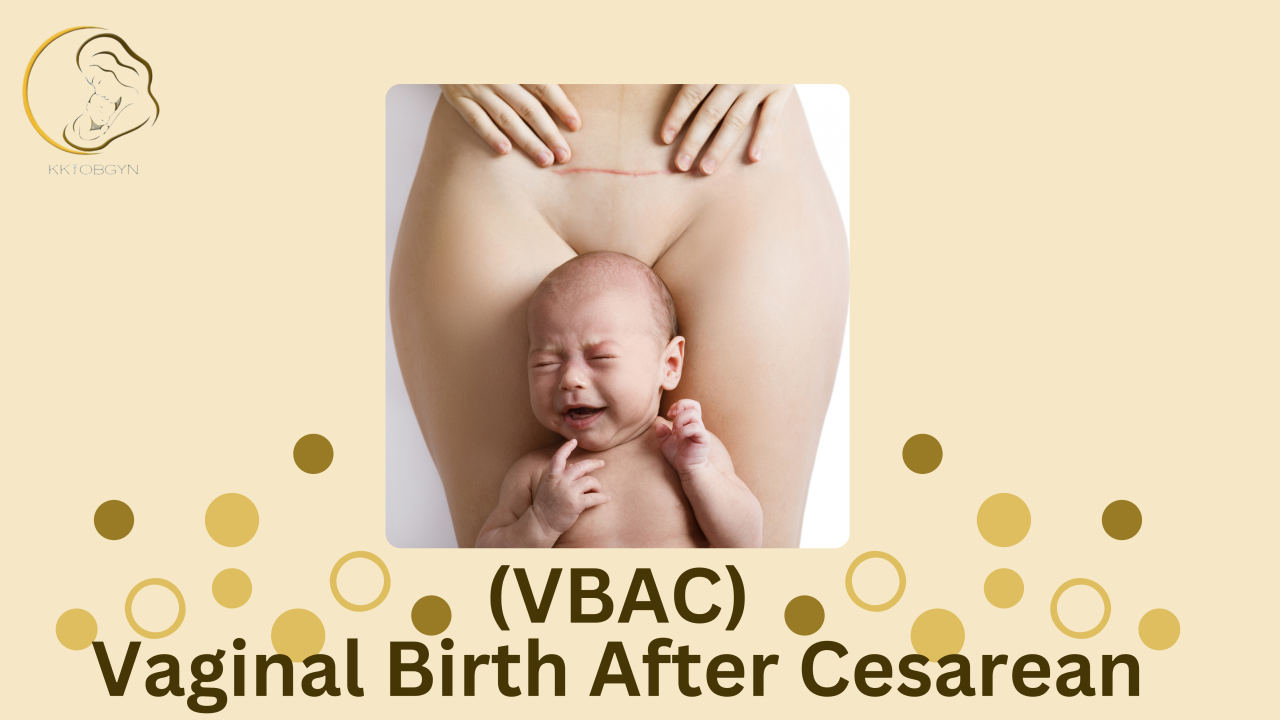
Tips for a Successful VBAC: Expert Guide to Vaginal Birth After Cesarean
Vaginal Birth After Cesarean (VBAC) is a viable option for many women who have previously had a cesarean section (C-section) but wish to have a vaginal delivery in subsequent pregnancies. While VBAC carries some risks, many women successfully have VBACs each year. With proper planning, preparation, and support, a successful VBAC is achievable. This blog will explore the benefits of VBAC, the criteria for eligibility, and provide detailed tips for a successful VBAC.
Benefits of VBAC
Choosing to have a VBAC can offer several advantages over a repeat C-section:
- Shorter Recovery Time: Vaginal births generally have a quicker recovery period than C-sections, allowing new mothers to return to their normal activities sooner.
- Lower Risk of Surgical Complications: Avoiding another C-section reduces the risk of surgical complications such as infections, blood loss, and injury to other organs.
- Enhanced Mother-Baby Bonding: Immediate skin-to-skin contact and breastfeeding are often easier after a vaginal birth.
- Future Pregnancies: Successful VBACs can reduce the risks associated with multiple C-sections in future pregnancies, such as placenta accreta and uterine rupture.
Criteria for VBAC Eligibility
Not all women are candidates for VBAC. Your healthcare provider will assess your individual situation to determine if VBAC is a safe option for you. Key factors that influence VBAC eligibility include:
- Type of Uterine Incision: Women with a low transverse (horizontal) incision are generally better candidates for VBAC than those with a vertical incision, which carries a higher risk of uterine rupture.
- Reason for Previous C-Section: If the reason for the initial C-section is not likely to recur (e.g., breech presentation or non-recurring medical conditions), VBAC may be more feasible.
- Overall Health and Pregnancy: Your current health status, the health of your baby, and the progress of your pregnancy will be considered.
- Number of Previous C-Sections: Women who have had only one prior C-section are typically better candidates for VBAC than those who have had multiple C-sections.
Tips for a Successful VBAC
If you and your healthcare provider decide that VBAC is a suitable option, here are some tips to help you increase your chances of a successful VBAC:
1. Choose a Supportive Healthcare Provider
Finding a healthcare provider who is experienced with and supportive of VBAC is crucial. Look for a provider with a high VBAC success rate and discuss your VBAC plans early in your pregnancy. Make sure they practice in a facility equipped to handle emergency situations, including the availability of a surgical team for a C-section if necessary.
2. Educate Yourself
Educate yourself about the VBAC process, benefits, risks, and what to expect during labor and delivery. Understanding the process can help you make informed decisions and feel more in control. Consider attending a VBAC preparation class or seeking resources from reputable organizations.
3. Maintain a Healthy Pregnancy
A healthy pregnancy increases the likelihood of a successful VBAC. Focus on maintaining a balanced diet, staying physically active, and following your prenatal care routine. Managing your weight, blood pressure, and overall health can positively impact your VBAC outcomes.
4. Develop a Birth Plan
Create a detailed birth plan that outlines your preferences for labor and delivery. Share this plan with your healthcare provider and birth team to ensure everyone is aware of your VBAC goals and preferences. While flexibility is essential, having a plan can help you feel more prepared and confident.
5. Consider Hiring a Doula
A doula is a trained birth professional who provides physical, emotional, and informational support during labor and delivery. Studies have shown that continuous support from a doula can increase the likelihood of a successful VBAC. A doula can help you manage pain, advocate for your birth plan, and provide reassurance throughout the process.
6. Use Pain Management Techniques
Explore various pain management techniques to help you cope with labor. Options include:
- Natural Methods: Breathing exercises, visualization, and relaxation techniques.
- Physical Methods: Changing positions, using a birthing ball, or taking warm showers.
- Medical Methods: Epidurals or other medications, if needed.
Discuss these options with your healthcare provider and doula to create a pain management plan that aligns with your preferences.
7. Stay Mobile During Labor
Staying upright and mobile during labor can help progress labor and increase your chances of a successful VBAC. Walking, swaying, and changing positions can help your baby move down the birth canal and make labor more efficient. Work with your healthcare provider and doula to find positions that are comfortable and effective.
8. Monitor Labor Progress
Close monitoring of labor progress is essential in a VBAC. Your healthcare provider will keep track of your labor’s progression and the baby’s well-being. If labor stalls or complications arise, your provider may discuss the possibility of a repeat C-section. Being open to medical advice and interventions when necessary is important for the safety of both you and your baby.
9. Stay Positive and Flexible
A positive mindset and flexibility are key to a successful VBAC. While it’s important to have a birth plan, be prepared for unexpected changes. Trust your healthcare team and stay focused on your ultimate goal: the safe delivery of your baby.
10. Postpartum Support
After a successful VBAC, ensure you have a support system in place for your postpartum recovery. This includes help with household tasks, emotional support, and assistance with newborn care. Proper rest and self-care are essential for your recovery and bonding with your baby.
Conclusion
A successful VBAC is possible with proper planning, education, and support. By choosing a supportive healthcare provider, maintaining a healthy pregnancy, and using pain management techniques, you can increase your chances of achieving a vaginal birth after cesarean. Remember to stay positive, flexible, and informed throughout your pregnancy and labor. With the right preparation and support, you can have a fulfilling and empowering VBAC experience. Always consult with your healthcare provider to determine the best plan for your individual circumstances and ensure the safety of both you and your baby.
A vaginal birth after cesarean (VBAC) offers many women a meaningful alternative to repeat surgery. If you've had a prior C-section but wish to experience vaginal delivery, VBAC success is achievable with proper planning and expert support. At Dr KY Kakudji's practice in Randfontein, we help women evaluate VBAC eligibility, understand the benefits and risks, and develop personalized strategies for VBAC success. With proper planning, preparation, and support from an experienced healthcare provider, your VBAC journey can lead to positive outcomes for both mother and baby.