

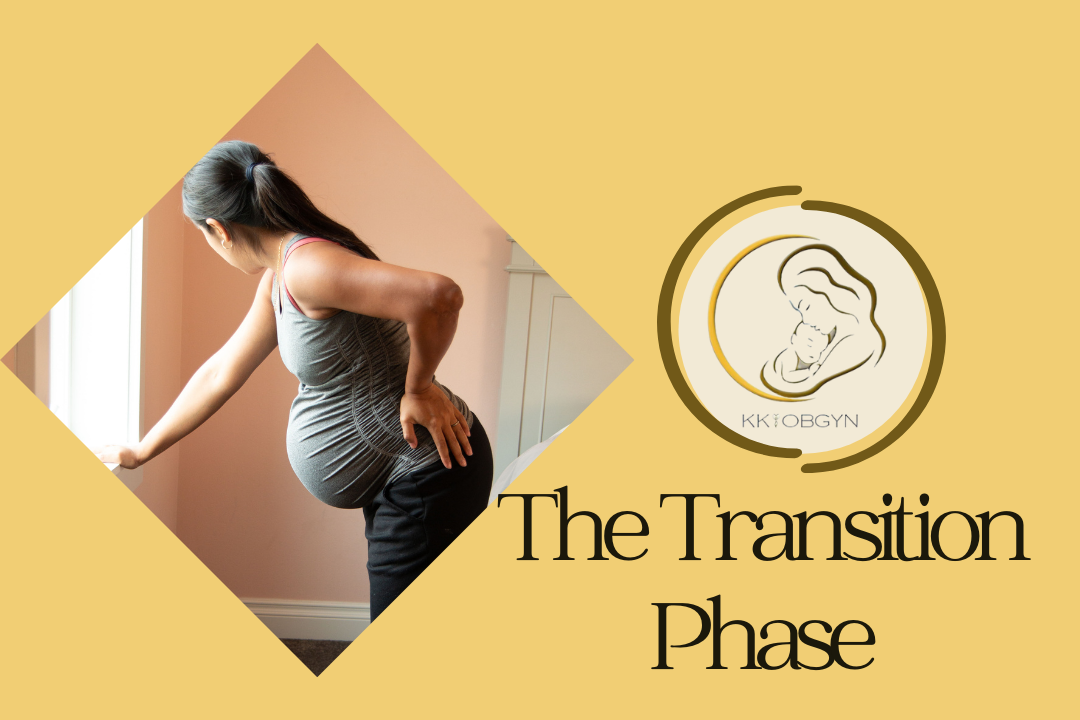
The Transition Phase of Labor: Complete Guide to the Final Stage
The Transition Phase:
As labor progresses, expectant parents navigate through distinct stages, each presenting its own challenges and triumphs. The transition phase, often considered the most intense part of labor, signifies the imminent arrival of your baby. Understanding and navigating this phase requires resilience, support, and a clear understanding of the emotional and physical changes occurring.
Physical Intensity:
The transition phase typically occurs when the cervix is nearly fully dilated, ranging from around 7 to 10 centimeters. Contractions become more frequent, longer, and more intense. The pressure and discomfort intensify as the baby moves further down the birth canal, preparing for the final descent.
Emotional Rollercoaster:
Emotionally, the transition phase can be a rollercoaster. Many women experience a mix of emotions, including self-doubt, excitement, and a sense of urgency. This is a normal response to the rapid progression of labor and the anticipation of meeting your baby.
It’s common to feel overwhelmed and, at times, even express the desire to give up or request pain relief. However, This stage is relatively short-lived, and it signals that you are nearing the moment of meeting your baby face-to-face.
Support and Communication:
Having a strong support system becomes crucial during the transition phase. Your partner, doula, or birthing team plays a vital role in offering encouragement, reassurance, and practical assistance. open communication becomes key – express your feelings, fears, and preferences to ensure your support team can provide tailored assistance.
Remaining flexible with your birthing plan is essential during the transition phase. While your preferences are respected, unexpected developments may occur, and your healthcare team will work with you to make informed decisions that prioritize the safety and well-being of both you and your baby.
Focused Mindset:
Maintaining a focused mindset during the intensity of the transition phase can be challenging, but it is instrumental in navigating this crucial stage. Techniques such as mindfulness, guided imagery, or affirmations can help ground you in the present moment and channel your energy toward the task at hand – bringing your baby into the world.
Remember that the transition phase is a temporary and necessary part of the birthing process. Each contraction brings you closer to the moment when you’ll cradle your newborn in your arms. Embrace the strength within you, lean on your support system, and trust in the incredible journey your body is undertaking.
The transition phase of labor represents one of the most intense yet temporary stages of childbirth, typically occurring when cervical dilation reaches 7-10 centimeters. During this transition phase of labor, contractions become more frequent, longer, and more powerful as your baby descends the birth canal. Understanding what to expect during the transition phase of labor—from physical intensity to emotional shifts—helps expectant parents prepare mentally and physically. At Dr KY Kakudji's practice in Randfontein, we provide comprehensive antenatal counseling to equip you with evidence-based strategies and emotional support for navigating this critical stage successfully.
The transition phase of labor represents one of the most intense yet temporary stages of childbirth. This critical phase typically occurs when cervical dilation reaches 7-10 centimeters, signaling that your baby's arrival is imminent. Understanding and navigating this phase requires resilience, support, and a clear understanding of the emotional and physical changes occurring. At Dr KY Kakudji's practice in Randfontein, we provide comprehensive antenatal counseling to equip you with evidence-based strategies and emotional support for navigating the transition phase of labor successfully.