
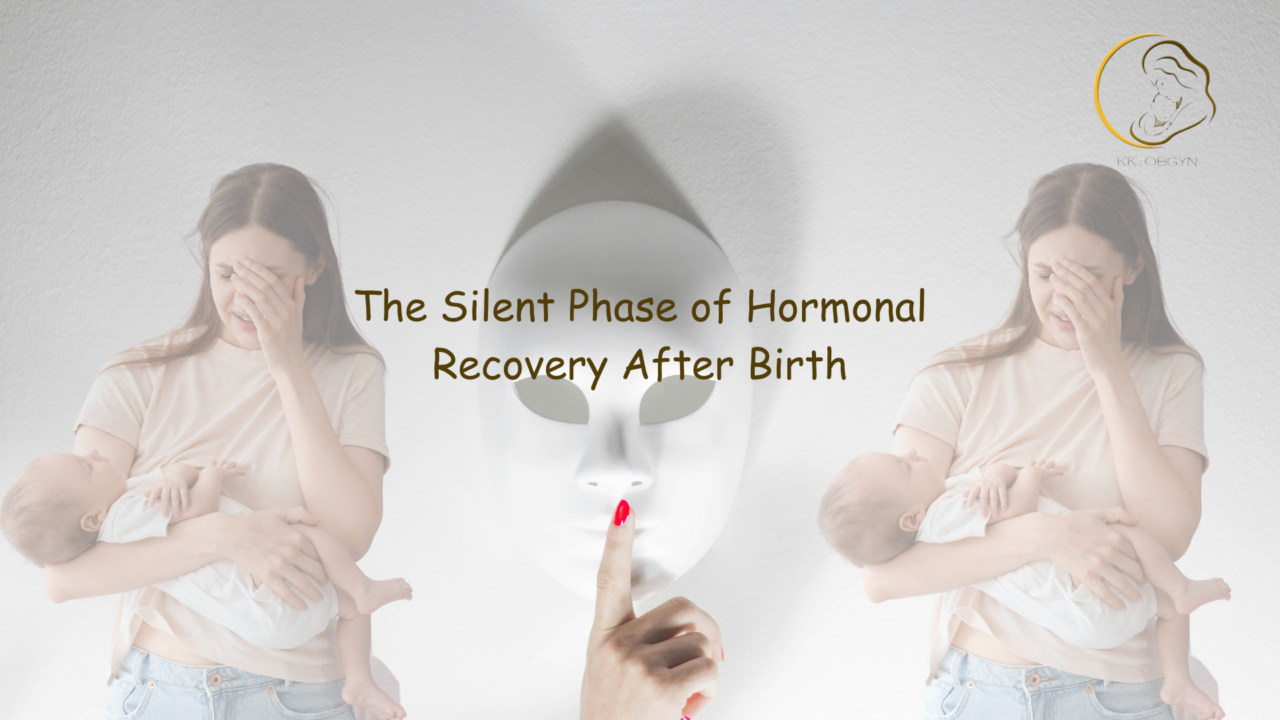
After childbirth, everyone watches the baby.
Few people watch the mother’s hormones.
Once bleeding slows and stitches heal, many assume recovery is complete. But one of the most important phases of postpartum healing is invisible — the silent hormonal recovery phase.
This phase can last months. Sometimes longer.
And during this time, women may feel:
- Emotionally unfamiliar with themselves
- Physically different
- Sexually disconnected
- Fatigued beyond explanation
- Unsure why their body still feels “off”
Understanding this silent phase can reduce fear and restore body trust.
What Happens to Hormones Immediately After Birth?
Within hours after delivery:
- Estrogen drops dramatically
- Progesterone drops dramatically
- Prolactin rises (especially if breastfeeding)
- Oxytocin increases
- Cortisol may fluctuate
This is one of the most abrupt hormonal shifts in a woman’s life.
Unlike pregnancy, which builds gradually, postpartum hormones shift overnight.
What Is the Silent Recovery Phase?
The silent recovery phase is the period when:
- Hormones slowly rebalance
- Ovulation may or may not return
- Estrogen remains suppressed (especially if breastfeeding)
- Mood adjusts gradually
- Tissue repair continues internally
Even if you look healed externally, your endocrine system is still recalibrating.
How Long Does Hormonal Recovery Take?
There is no universal timeline.
| Situation | Typical Hormonal Pattern |
|---|---|
| Not breastfeeding | Period may return in 6–12 weeks |
| Exclusive breastfeeding | Ovulation may be suppressed for months |
| Mixed feeding | Cycles may return unpredictably |
| After weaning | Hormones gradually stabilise over 2–3 months |
But symptom resolution does not always follow a neat timeline.
Low Estrogen During Recovery
Estrogen supports:
- Vaginal tissue thickness
- Natural lubrication
- Bladder support
- Mood stability
- Bone density
During the silent recovery phase, women may experience:
- Vaginal dryness
- Pain during intercourse
- Urinary urgency
- Emotional sensitivity
- Joint discomfort
These symptoms are common but often not discussed.
Clinics like KKOBGYN frequently evaluate postpartum patients who feel “not quite themselves” months after delivery.
Progesterone and Ovulation Recovery
Progesterone only rises if ovulation occurs.
Without ovulation:
- Cycles remain irregular
- PMS patterns shift
- Mood may fluctuate
- Fertility remains unpredictable
Some women ovulate before their first postpartum period, meaning pregnancy is possible even when menstruation hasn’t returned.
The Emotional Side of Hormonal Recovery
Hormones strongly influence:
- Anxiety
- Tearfulness
- Irritability
- Sleep quality
- Libido
In the silent phase, women may feel:
- Overstimulated
- Emotionally fragile
- Detached
- Hyper-aware
- Easily overwhelmed
If symptoms persist beyond two weeks and interfere with functioning, postpartum depression or anxiety should be evaluated.
Physical Symptoms in the Silent Phase
| Symptom | Why It Happens |
|---|---|
| Hair shedding | Estrogen drop after pregnancy |
| Night sweats | Hormonal fluctuation |
| Vaginal dryness | Low estrogen |
| Low libido | Prolactin dominance |
| Irregular bleeding | Cycle recalibration |
| Fatigue | Hormonal + sleep disruption |
| Pelvic heaviness | Ongoing tissue recovery |
Many of these symptoms peak 2–4 months postpartum.
Pelvic Floor Recovery Takes Time
Hormones influence muscle tone.
Low estrogen can:
- Weaken pelvic tissue
- Slow tissue elasticity recovery
- Increase urinary leakage
Pelvic floor rehabilitation is often overlooked but critical during this phase.
Healing is not just about stitches, it’s about structural restoration.
Normal Adjustment vs Concerning Signs
| Normal Recovery | Needs Medical Attention |
|---|---|
| Mild mood swings | Persistent depression |
| Gradual libido return | Painful intercourse months later |
| Light irregular bleeding | Heavy soaking bleeding |
| Temporary hair shedding | Severe hair thinning with fatigue |
| Emotional sensitivity | Panic attacks |
Listening to symptoms is essential.
Why Women Feel Unprepared
Postpartum care often focuses on:
- Baby feeding
- Baby weight gain
- Vaccinations
But little attention is given to:
- Hormone education
- Libido changes
- Emotional recalibration
- Vaginal tissue recovery
The silence makes women question themselves.
But what they’re experiencing is biological, not weakness.
The Impact of Sleep Deprivation
Sleep deprivation intensifies hormonal imbalance.
Poor sleep increases:
- Cortisol
- Mood instability
- Insulin resistance
- Fatigue
When layered over postpartum hormonal shifts, symptoms may feel amplified.
Recovery requires both hormonal adjustment and realistic support.
Breastfeeding and Extended Suppression
If breastfeeding continues:
- Estrogen may remain low
- Vaginal dryness may persist
- Libido may stay reduced
- Periods may remain absent
These are not permanent changes, they are adaptive.
After weaning, hormone levels often rise again.
Symptom Checklist: Are You in the Silent Recovery Phase?
| Question | Yes/No |
|---|---|
| I still feel hormonally unstable months postpartum | |
| My libido hasn’t returned | |
| Intercourse feels dry or uncomfortable | |
| My periods haven’t returned (while breastfeeding) | |
| My cycles are irregular | |
| I feel emotionally different from before pregnancy |
If several apply, you may still be in hormonal recalibration, not malfunction.
Supporting Hormonal Recovery
1. Prioritise Rest Where Possible
Even short naps help.
2. Balanced Nutrition
Iron, protein, and healthy fats support hormone repair.
3. Pelvic Floor Therapy
Especially after vaginal delivery.
4. Vaginal Moisturisers or Lubricants
For dryness and comfort.
5. Medical Review
If symptoms are severe or persistent.
The Emotional Rebuilding of Body Trust
After pregnancy and birth, many women feel disconnected from their bodies.
Understanding hormonal recovery helps rebuild trust.
Your body is not broken.
It is recalibrating.
Recovery is layered, physical, hormonal, emotional.
Final Thoughts
The silent phase of hormonal recovery after birth is real.
It may not be visible.
It may not be discussed.
But it is powerful.
Your body has undergone one of the most dramatic hormonal events in human biology.
Rebalancing takes time.
If you feel different months after birth, you are not alone.
You are healing, even if it feels slow.
And healing deserves patience, support, and informed care.