
Breathing is something we do automatically, without thinking.
But what many women don’t realise is that:
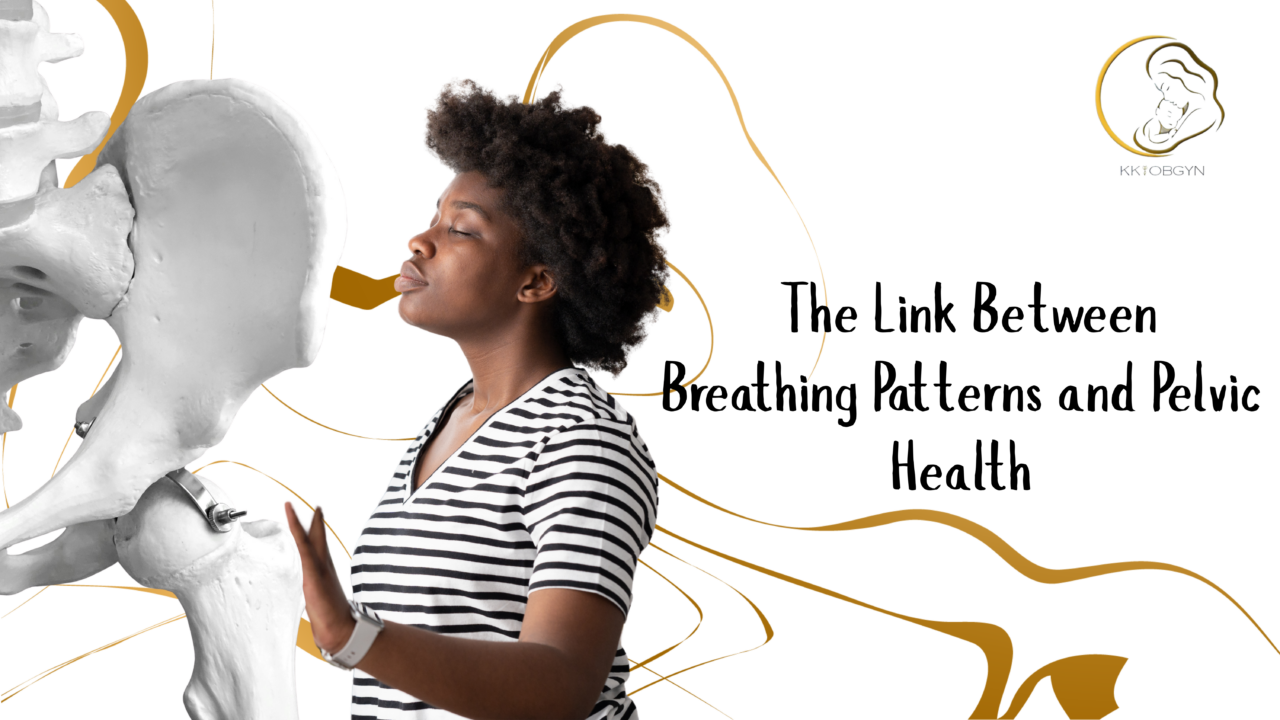
The way you breathe has a direct impact on your pelvic floor, bladder control, core strength, and even recovery after childbirth.
For women experiencing:
- Pelvic pain
- Bladder leakage
- Weak core strength
- Slow postpartum recovery
breathing patterns may be playing a hidden but important role.
This blog explores how breathing and pelvic health are connected, what goes wrong, and how simple changes can support recovery.
How Breathing and the Pelvic Floor Are Connected

The body works as a pressure system, often called the “core canister,” made up of:
- The diaphragm (top)
- The abdominal muscles (front and sides)
- The back muscles
- The pelvic floor (bottom)
During Breathing:
- Inhale: diaphragm moves down → pelvic floor relaxes
- Exhale: diaphragm rises → pelvic floor gently lifts
This coordinated movement helps:
- Support pelvic organs
- Maintain bladder control
- Stabilise the spine
What Happens When Breathing Patterns Are Disrupted
After pregnancy or due to stress, many women develop poor breathing habits, such as:
- Shallow chest breathing
- Holding the breath
- Pushing the abdomen outward incorrectly
This disrupts pressure balance and can lead to:
- Pelvic floor strain
- Weak muscle coordination
- Increased downward pressure
Why Pregnancy Affects Breathing Patterns
1. Growing Uterus Changes Diaphragm Movement

As the uterus grows:
- It pushes upward against the diaphragm
- Limits deep breathing
- Encourages shallow breathing patterns
2. Postural Changes
Pregnancy often causes:
- Increased lower back arch
- Forward shift in posture
This affects how the diaphragm and core muscles function.
3. Postpartum Recovery
After birth:
- Muscles are weakened or stretched
- Coordination between breathing and pelvic floor may be lost
How Poor Breathing Affects Pelvic Health
1. Increased Pelvic Pressure

Improper breathing can increase downward pressure on the pelvic floor.
This may contribute to:
- Bladder leakage
- Pelvic organ prolapse
- Heaviness or pressure sensation
2. Weak Pelvic Floor Activation
If breathing and pelvic floor are not coordinated:
- Muscles may not engage properly
- Strength exercises become less effective
3. Delayed Postpartum Recovery
Without proper breathing:
- Core muscles remain weak
- Healing slows down
- Pain may persist
4. Pelvic Pain and Muscle Tension
Some women develop overly tight pelvic floor muscles due to:
- Holding tension
- Poor breathing patterns
This can lead to:
- Pain during movement
- Pain during intercourse
- Chronic discomfort
Normal vs Dysfunctional Breathing Patterns
| Feature | Healthy Breathing | Dysfunctional Breathing |
|---|---|---|
| Movement | Abdomen expands gently | Chest lifts excessively |
| Pelvic floor | Moves with breath | Remains tense or inactive |
| Pressure | Evenly distributed | Downward pressure |
| Rhythm | Slow and controlled | Shallow and rapid |
Signs Your Breathing May Be Affecting Pelvic Health
| Symptom | Possible Link |
|---|---|
| Urine leakage when coughing | Poor pressure control |
| Pelvic heaviness | Increased downward force |
| Core weakness | Lack of coordination |
| Pelvic pain | Muscle tension |
| Difficulty engaging pelvic floor | Poor breathing-muscle connection |
How to Improve Breathing for Pelvic Health
1. Diaphragmatic Breathing


How to practice:
- Lie down or sit comfortably
- Place one hand on chest, one on abdomen
- Inhale slowly → abdomen rises
- Exhale gently → abdomen falls
This helps restore natural coordination.
2. Coordinate Breath With Movement
- Exhale during effort (e.g. lifting, standing)
- Avoid holding your breath
3. Gentle Pelvic Floor Engagement
- On exhale, gently lift pelvic floor
- Avoid over-tightening
4. Posture Awareness
Good posture allows:
- Better diaphragm movement
- Balanced pressure distribution
Role of Physiotherapy
Pelvic floor physiotherapists can help:
- Assess breathing patterns
- Teach correct coordination
- Guide safe postpartum recovery
Why This Connection Is Often Overlooked
Breathing is automatic, so:
- It is rarely assessed in medical exams
- Symptoms are treated separately
- The root cause may be missed
But in reality:
Breathing is a foundational part of pelvic health.
Emotional and Physical Impact
Women may feel:
- Frustrated by slow recovery
- Confused by persistent symptoms
- Unaware that breathing plays a role
Understanding this connection can be empowering:
Small changes in breathing can create significant improvements.
Final Thoughts
Pelvic health is not just about muscles, it is about coordination, pressure, and balance within the body.
Breathing sits at the center of this system.
By improving breathing patterns, women can:
- Support pelvic floor recovery
- Improve bladder control
- Reduce pain
- Strengthen their core safely
Key Takeaway
- Breathing and pelvic floor function are closely connected
- Poor breathing patterns can worsen pelvic symptoms
- Simple breathing techniques can significantly improve recovery