

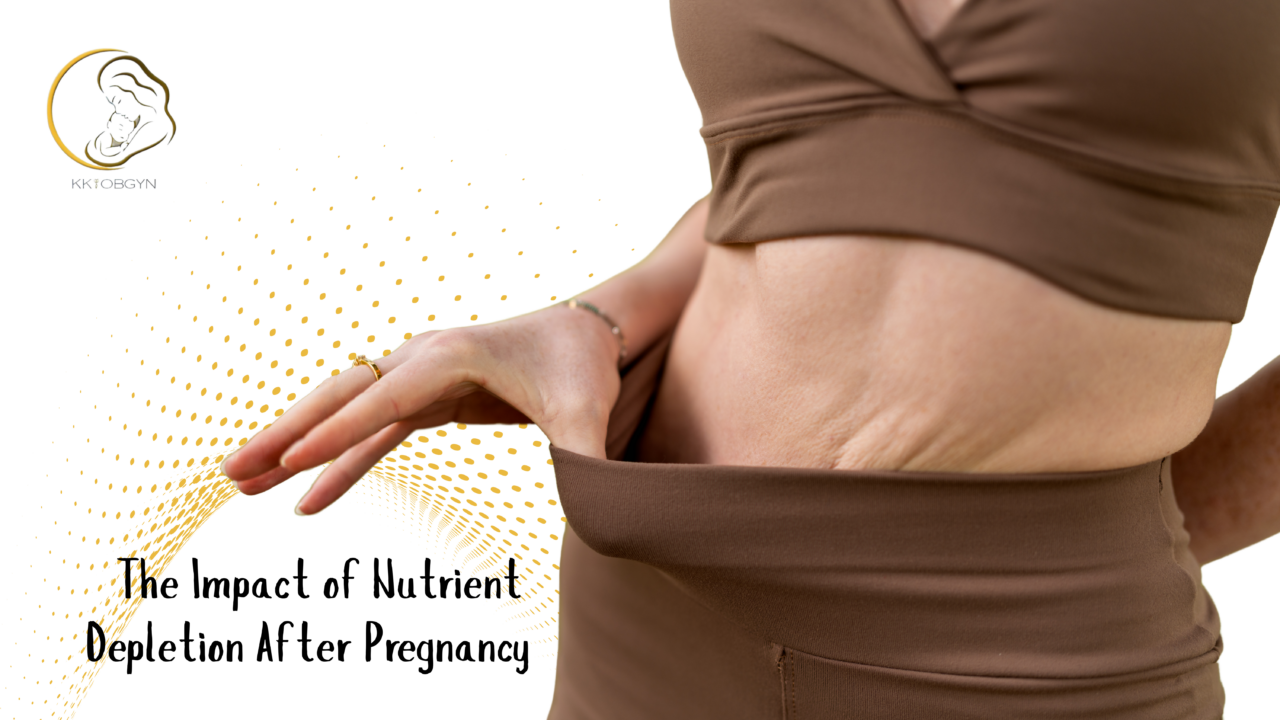
Pregnancy is often described as a time when the body “nourishes two lives.” What is less often discussed is what happens to the mother’s body after birth:
Pregnancy can significantly deplete essential nutrients, leaving the mother physically and emotionally drained after delivery.
Many women expect to feel tired postpartum but when nutrient depletion is severe, the symptoms go far beyond normal tiredness.
This blog explains why nutrient depletion happens, which nutrients are most affected, how it impacts recovery, and when supplementation becomes necessary.
Why Nutrient Depletion Happens After Pregnancy

During pregnancy, the baby depends entirely on the mother for:
- Oxygen
- Iron
- Calcium
- Protein
- Vitamins and minerals
After birth, nutrient demands continue if breastfeeding occurs.
This creates a situation where the mother’s body:
- Gives first
- Restores later
If nutrient intake does not match demand, depletion occurs.
Most Common Nutrients Affected After Pregnancy
1. Iron
Iron Deficiency Anaemia
Iron is heavily used to:
- Build extra blood volume during pregnancy
- Support fetal development
- Compensate for blood loss during delivery
Low iron leads to:
- Extreme fatigue
- Dizziness
- Weakness
- Pale skin
2. Calcium


Calcium is essential for:
- Baby’s bone formation
- Muscle and nerve function
If intake is insufficient:
- Mother’s bones may temporarily lose density
- Muscle cramps may occur
- Teeth sensitivity can increase
3. Folate (Vitamin B9)
Important for:
- Red blood cell formation
- Tissue repair
- Brain function
Deficiency can cause:
- Fatigue
- Mood changes
- Poor recovery
4. Vitamin B12
Critical for:
- Nerve health
- Energy production
- Blood formation
Deficiency may lead to:
- Tingling sensations
- Weakness
- Memory fog
5. Vitamin D


Vitamin D supports:
- Bone health
- Immune function
- Mood regulation
Low levels can contribute to:
- Bone pain
- Depression-like symptoms
- Weak immunity
Symptoms of Postpartum Nutrient Depletion
| Symptom | Possible Deficiency |
|---|---|
| Extreme fatigue | Iron, B12, Vitamin D |
| Hair loss | Iron, protein deficiency |
| Mood swings | B vitamins, iron |
| Muscle cramps | Calcium, magnesium |
| Dizziness | Iron deficiency |
| Slow recovery | Multiple deficiencies |
Normal Postpartum Recovery vs Nutrient Depletion
| Feature | Normal Recovery | Possible Nutrient Depletion |
|---|---|---|
| Energy levels | Gradual improvement | Persistent exhaustion |
| Hair shedding | Mild and temporary | Excessive or prolonged loss |
| Mood | Adjusting hormones | Severe mood swings or low mood |
| Physical strength | Slowly improving | Weakness or dizziness |
Why Breastfeeding Increases Nutrient Demand


Breast milk is rich in nutrients, meaning the mother continues to supply:
- Fat
- Protein
- Vitamins
- Minerals
If dietary intake is insufficient:
- Maternal stores are used
- Depletion becomes faster
Why Nutrient Depletion Is Often Missed
1. Symptoms Are Considered “Normal Postpartum”
Fatigue, hair loss, and mood changes are often dismissed.
2. Lack of Postpartum Follow-Up
Many women are not routinely re-tested after delivery.
3. Overlap With Emotional Changes
Postpartum emotional adjustment can mask physical deficiencies.
When Nutrient Depletion Becomes a Concern
Seek medical attention if you experience:
- Persistent exhaustion beyond 6–8 weeks
- Dizziness or fainting
- Severe hair loss
- Palpitations
- Mood changes affecting daily function
These may indicate significant deficiencies.
How Nutrient Depletion Is Diagnosed
Doctors may request blood tests for:
- Iron levels (haemoglobin, ferritin)
- Vitamin B12
- Folate
- Vitamin D
Treatment and Recovery
1. Nutritional Supplementation
- Iron tablets or infusions
- Vitamin D supplements
- B-complex vitamins
2. Diet-Based Recovery
Foods that support recovery:
- Red meat, beans, spinach (iron)
- Eggs, dairy (B12, calcium)
- Fish and sunlight exposure (Vitamin D)
3. Hydration and Rest
Essential for restoring metabolic balance.
Emotional Impact of Nutrient Depletion
Many women feel:
- “I should be stronger by now”
- Frustration with slow recovery
- Anxiety about long-term health
But it is important to understand:
Postpartum fatigue is not always emotional, it is often biological.
Final Thoughts
Pregnancy and breastfeeding are nutritionally demanding processes.
Without proper replenishment, the mother’s body may struggle to fully recover.
Recognising nutrient depletion early allows for:
- Faster recovery
- Improved energy
- Better emotional wellbeing
- Stronger long-term health
Key Takeaway
- Pregnancy and breastfeeding significantly deplete nutrients
- Iron, calcium, B12, folate, and vitamin D are most affected
- Persistent postpartum fatigue should never be ignored