

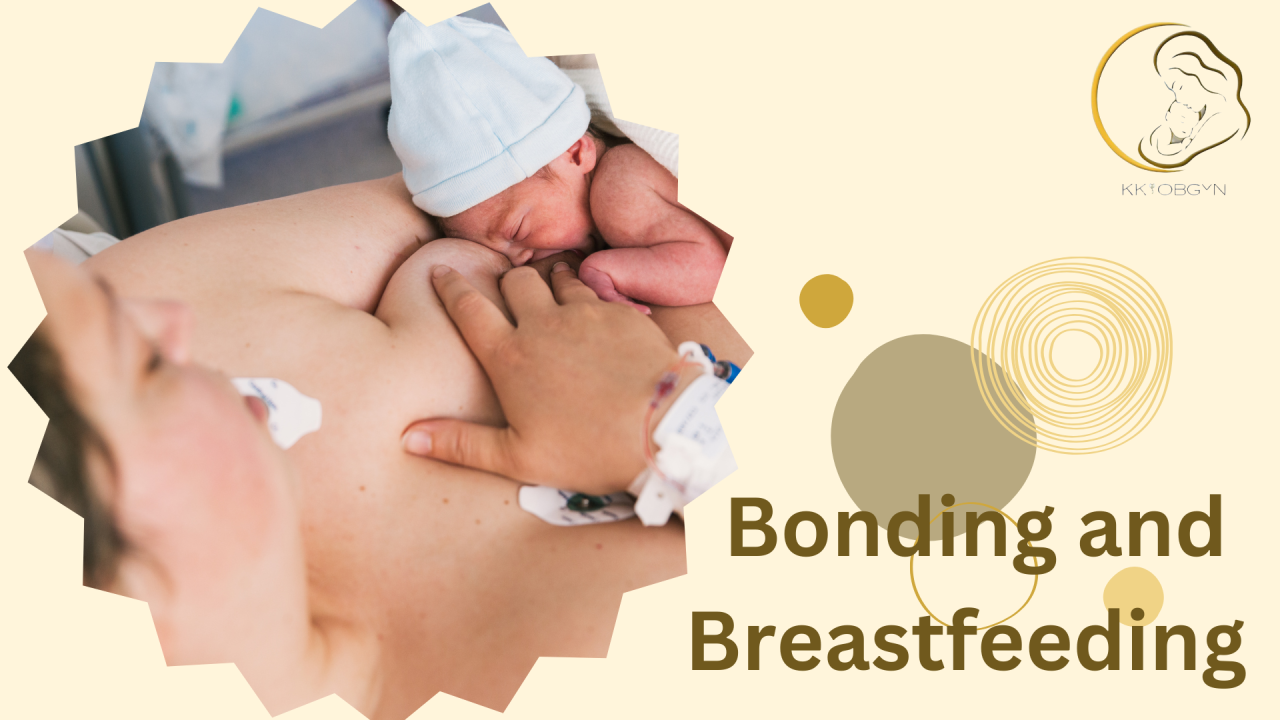
The Golden Hour After Birth: Bonding and Breastfeeding Explained
The first hour after birth – often referred to as the “golden hour” – is a uniquely precious time for both mother and baby. It’s a period of immense emotional and physical connection, marked by the natural unfolding of bonding and breastfeeding behaviors. But what exactly happens in this golden hour, and why is it so significant? Let’s delve into the fascinating world of the first hour after birth, exploring the symphony of “bonging” (the cord clamping) and the gentle dance of breastfeeding.
The Immediate Moments:
Following the miracle of birth, a flurry of activity ensues. The medical team ensures the well-being of both mother and baby. Here’s a breakdown of the initial moments:
Delivery of the Placenta:
The placenta, which has nourished your baby throughout pregnancy, detaches from the uterine wall. Delivery of the placenta typically occurs within 15-30 minutes after birth.
Cord Clamping and Cutting:
The umbilical cord, which has connected you and your baby, is clamped and cut. Traditionally, this clamping happened immediately. However, the current recommendation is to delay cord clamping for at least 30-60 seconds, allowing for the transfer of valuable blood from the placenta to the baby.
The Symphony of “Bonding”:
The sound of the cord being clamped – often described as a “bong” – marks a symbolic transition. Your baby is now an independent being, breathing on their own. But the cord blood holds immense value. It’s rich in red blood cells, stem cells, and iron, all crucial for your baby’s development.
Delayed Cord Clamping:
The practice of delayed cord clamping allows extra time for this vital blood to transfer from the placenta to your baby. This can benefit your baby in several ways:
Increased Iron Stores: Iron from the cord blood helps prevent iron deficiency anemia in newborns, which can affect growth and development.
Improved Blood Volume: The extra blood can boost your baby’s blood volume, leading to better oxygen circulation and potentially reducing the need for blood transfusions.
Enhanced Stem Cell Benefits: Cord blood is rich in stem cells, which have the potential to treat various medical conditions in the future.
Skin-to-Skin Contact: The Foundation of Bonding
Immediately after birth, the most critical step is placing your baby skin-to-skin on your chest. This natural process, known as “kangaroo care,” is a cornerstone of bonding and breastfeeding success. Here’s how skin-to-skin contact benefits both mother and baby:
Temperature Regulation: Your baby is transitioning from a warm environment in the womb to the cooler outside world. Skin-to-skin contact helps regulate your baby’s body temperature.
Reduced Stress: The calming warmth of your body and the familiar scent of your skin provides comfort and security for your baby, reducing stress hormones like cortisol.
Promotes Bonding: The close physical contact stimulates the release of oxytocin, the “love hormone,” in both mother and baby, fostering a deep emotional connection.
Stimulates Breastfeeding: Skin-to-skin contact activates your baby’s rooting reflex, a natural instinct to search for the breast. This early initiation of breastfeeding sets the stage for successful nursing.
The Art of Breastfeeding in the Golden Hour:
The golden hour is the ideal time to initiate breastfeeding. Your baby is typically alert and has a strong sucking reflex. Here’s why breastfeeding in the first hour is so beneficial:
Colostrum: Your breasts produce a thick, yellowish fluid called colostrum in the first few days after birth. This “superfood” is packed with antibodies, white blood cells, and other nutrients that protect your baby from infections and promote their immune system development.
Demand and Supply: The early suckling by your baby stimulates the production of breast milk, setting in motion the beautiful cycle of demand and supply.
Emotional Connection: The act of breastfeeding fosters a profound emotional bond between you and your baby.
How to Breastfeed in the Golden Hour:
Skin-to-Skin Contact: As mentioned earlier, skin-to-skin contact is crucial. Your baby will naturally search for your breast when placed on your chest.
Support and Guidance: Don’t hesitate to ask your midwife or lactation consultant for support and guidance in positioning your baby for optimal latching.
Relaxation: Relaxation is key. Take deep breaths and focus on the connection with your baby.
Patience: Latching and feeding may not be perfect right away. Be patient and persistent. Your baby is learning this new skill.
Not Every Journey is the Same
While the golden hour is a time for promoting bonding and breastfeeding initiation, it’s important to remember that every birth experience is unique. Here are some factors that may influence your golden hour:
Cesarean Delivery: If you have a cesarean section, skin-to-skin contact may be delayed slightly. However, it’s still highly encouraged as soon as possible. Your partner can facilitate skin-to-skin contact while you recover.
Medical Interventions: If your baby requires immediate medical attention due to complications, the golden hour may be disrupted. However, skin-to-skin contact can still be initiated as soon as the baby is stable.
Maternal Fatigue: Childbirth is a marathon, not a sprint. If you’re feeling exhausted, prioritize rest. Skin-to-skin contact can still be initiated for shorter periods, and breastfeeding can be attempted when you feel ready.
Creating a Supportive Golden Hour Environment:
Several factors can contribute to a positive golden hour experience:
Communicate Your Wishes: Talk to your healthcare provider about your preferences for skin-to-skin contact and breastfeeding initiation in the golden hour.
Dim the Lights: A calm and quiet environment with dimmed lights can help promote relaxation and bonding.
Minimize Interruptions: Limit unnecessary interventions and visitors during the golden hour to allow for uninterrupted bonding.
Partner’s Role: Your partner can play a vital role in supporting you during the golden hour. They can help with positioning the baby, fetching supplies, and providing emotional support.
The Golden Hour: A Stepping Stone, Not a Finish Line:
The golden hour sets the stage for a successful breastfeeding journey and a strong maternal-infant bond. However, it’s just the beginning. Here are some things to keep in mind:
* *Breastfeeding Support:* Seek support from lactation consultants or breastfeeding groups if you encounter any difficulties with breastfeeding.
* *Continue Skin-to-Skin Contact:* Skin-to-skin contact is beneficial beyond the golden hour. Practice skin-to-skin contact whenever possible to strengthen the bond with your baby.
* *Be Kind to Yourself:* Breastfeeding is a learning curve for both you and your baby. Be patient and kind to yourself as you navigate this journey.
*The golden hour is a time to embrace the miracle of birth, nurture the bond with your newborn, and embark on the incredible journey of parenthood. By understanding the importance of skin-to-skin contact and breastfeeding initiation, and by creating a supportive environment, you can make the most of this precious time.*
*Disclaimer:* This blog is intended for informational purposes only and should not be construed as medical advice. Always consult with your healthcare provider before making any decisions regarding your health or the health of your baby.
The golden hour after birth is a critical window for establishing bonding and breastfeeding success. During this golden hour, your body and baby's biology work together naturally—skin-to-skin contact triggers oxytocin release, activating your baby's rooting reflex and setting the stage for successful nursing. At Dr KY Kakudji's practice in Randfontein, our obstetric team prioritizes the golden hour by supporting delayed cord clamping and immediate maternal-infant contact. Understanding what happens in the golden hour—from placenta delivery to the first breastfeed—empowers mothers to embrace this precious time with confidence and medical support.