

Introduction
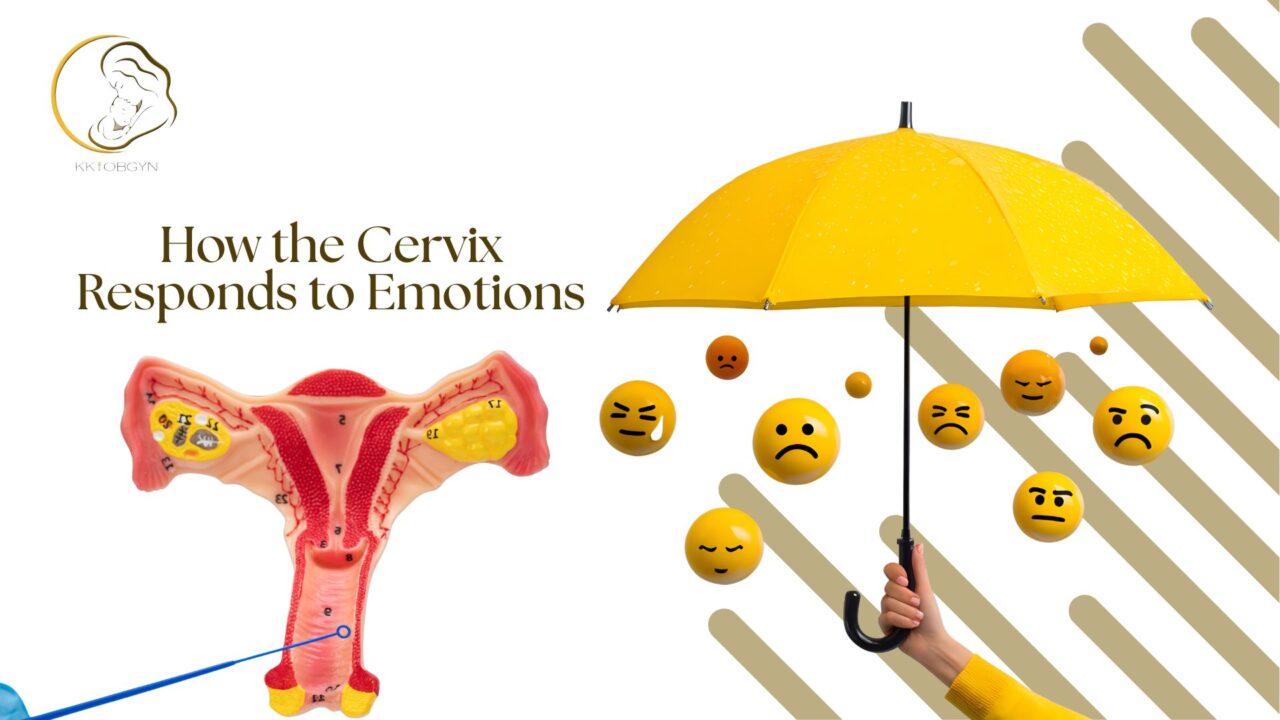
The cervix is one of the least discussed yet most emotionally responsive organs in the female body. Often reduced to a gateway for childbirth or a site for Pap smears, the cervix is rarely acknowledged for its neurological sensitivity, emotional reactivity, and protective role.
Many women experience cervical pain, tightness, or discomfort without a clear infection or structural problem. What is frequently overlooked is that the cervix ike the heart or gut, responds to emotional states, stress, trauma, and safety cues.
This blog explores:
- The anatomy and function of the cervix
- Its nervous system connections
- How emotions influence cervical behaviour
- Normal vs concerning cervical sensations
- Why listening to the cervix matters
Understanding the Cervix Beyond Anatomy
What Is the Cervix?
The cervix is the lower, narrow part of the uterus that connects to the vagina. It serves multiple roles:
- Produces cervical mucus
- Acts as a barrier against infection
- Dilates during labour
- Opens during ovulation
- Closes tightly in pregnancy
But structurally, it is not just a passive opening, it is rich in nerve endings and smooth muscle fibres.
The Cervix and the Nervous System
The cervix is connected to:
- The autonomic nervous system
- Pelvic nerves
- Hormonal signalling pathways
This means it responds involuntarily to:
- Fear
- Stress
- Safety
- Relaxation
- Emotional arousal
Just like your shoulders tense under stress, the cervix can tighten or become sensitive when emotional distress is present.
How Emotions Physically Affect the Cervix
1. Cervical Tightening
Stress and fear activate the sympathetic nervous system (“fight or flight”), leading to:
- Cervical muscle tension
- Reduced blood flow
- Increased sensitivity
This can cause discomfort during exams or intercourse.
2. Cervical Sensitivity
Emotional vulnerability can heighten nerve sensitivity, making normal sensations feel painful or alarming.
3. Protective Closure
In emotionally unsafe situations, the cervix may remain tightly closed, a subconscious protective response.
Emotional Triggers That May Affect the Cervix
|
Emotional State |
Cervical Response |
|
Chronic stress |
Tightening |
|
Fear or anxiety |
Increased sensitivity |
|
Emotional safety |
Relaxation |
|
Trauma history |
Guarding response |
|
Trust and comfort |
Softening |
This response is biological, not psychological weakness.
Cervical Sensations Women Commonly Experience
Women may feel:
- Deep vaginal pain
- Sharp discomfort during penetration
- Pressure or heaviness
- Pulsing or aching near the cervix
- Pain during Pap smears
These sensations are often dismissed, yet they carry meaning.
Symptom Checklist: Emotion-Linked Cervical Sensitivity
|
Symptom |
Possible Emotional Link |
|
Pain during exams |
Anxiety or fear |
|
Discomfort during sex |
Emotional tension |
|
Cervical tenderness without infection |
Stress |
|
Pain fluctuates with mood |
Nervous system |
|
Symptoms worsen during emotional distress |
Mind–body link |
Normal Cervical Responses vs Medical Red Flags
|
Feature |
Normal Emotional Response |
Medical Concern |
|
Pain pattern |
Situational |
Constant |
|
Triggers |
Stress, exams |
Random or progressive |
|
Discharge |
Normal |
Foul-smelling |
|
Bleeding |
None |
Post-coital or unexplained |
|
Fever |
Absent |
Present |
|
Exam findings |
Normal |
Abnormal |
Understanding this difference prevents unnecessary fear.
Trauma and the Cervix
The cervix can store protective tension after:
- Sexual trauma
- Painful childbirth
- Forceful medical procedures
- Dismissive healthcare experiences
This does not mean trauma is “remembered” consciously, the body remembers even when the mind does not.
Why Pap Smears Can Be Emotionally Triggering
Pap smears involve:
- Cervical stimulation
- Loss of control
- Vulnerability
For some women, this triggers involuntary tightening or pain, not because they are “tense”, but because their nervous system is responding protectively.
Supporting Cervical Health Holistically
Medical Care
- Gentle examination techniques
- Trauma-informed gynaecology
- Adequate lubrication
- Patient consent and communication
Emotional and Nervous System Support
- Deep breathing before exams
- Pelvic floor relaxation therapy
- Feeling emotionally safe
- Asking for breaks during procedures
When to Seek Medical Evaluation
Always seek medical care if cervical symptoms include:
- Bleeding outside menstruation
- Foul discharge
- Persistent pain
- Abnormal Pap smear results
- Fever or systemic symptoms
Emotional causes should be considered after medical causes are ruled out, not instead of them.
Key Takeaway
The cervix is not just an anatomical structure, it is a responsive, protective, emotionally sensitive organ.
Listening to cervical sensations with curiosity rather than fear allows women to advocate for gentler, more informed care.