

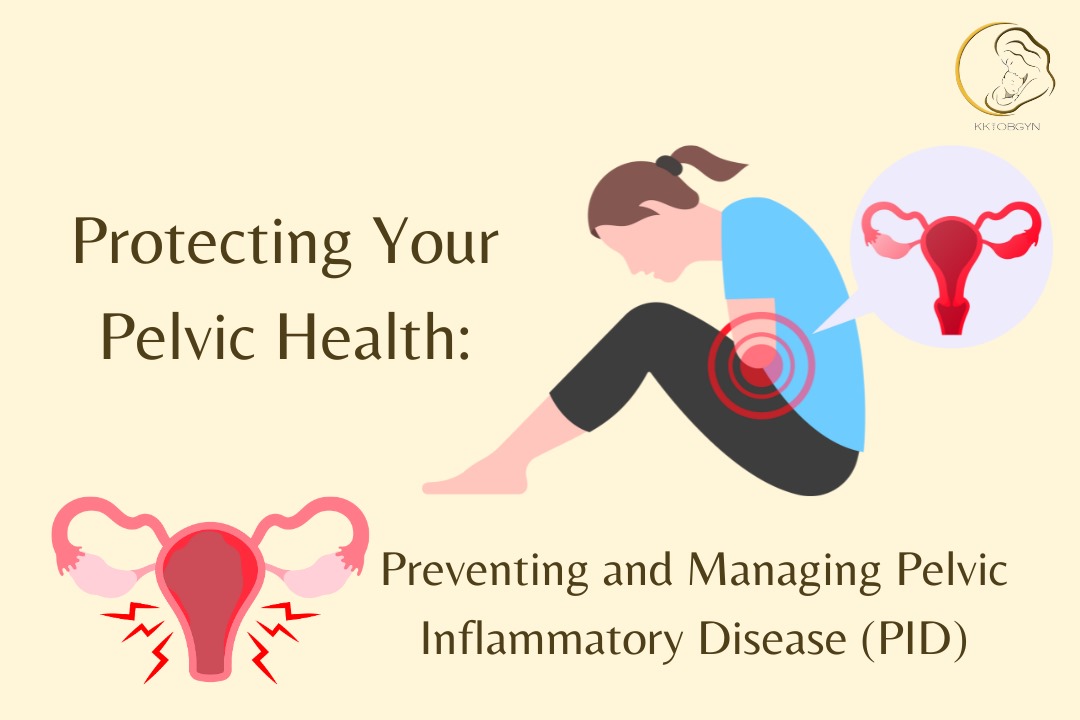
Pelvic inflammatory disease (PID) is an infection of the female reproductive organs, including the uterus, fallopian tubes, and ovaries. It’s a serious condition that can lead to complications like chronic pelvic pain, infertility, and ectopic pregnancy. While PID can be treated, prevention is always the best approach.
Understanding Your Risks:
Anyone who is sexually active can develop PID, but certain factors increase your risk:
Multiple sexual partners: The more sexual partners you have, the higher your risk of contracting a sexually transmitted infection (STI), which can lead to PID.
Young age: Women under 25 are at increased risk due to a still-developing cervix, which allows bacteria easier access to the upper reproductive tract.
History of STIs: Previous chlamydia or gonorrhea infections significantly increase your risk of PID.
Douching: Douching disrupts the natural balance of vaginal bacteria, potentially allowing harmful bacteria to migrate upwards.
Intrauterine device (IUD): While uncommon, PID can occur with IUD use, especially if not inserted properly.
Prevention is Key:
Here are some essential steps to reduce your risk of PID:
Practice safe sex: Consistent and correct condom use lowers the risk of contracting STIs that can lead to PID.
Get tested regularly: Schedule regular screenings for STIs like chlamydia and gonorrhea. Early detection and treatment significantly reduce the risk of PID.
Limit sexual partners: Having fewer sexual partners reduces your exposure to STIs.
Avoid douching: Maintain a healthy vaginal environment by letting your body regulate its natural balance.
Discuss IUD insertion with your doctor: If you choose an IUD for contraception, talk to your doctor about potential risks and proper insertion techniques.
Recognizing the Signs:
Early diagnosis and treatment are crucial to prevent complications. Be aware of these potential PID symptoms:
- Pelvic pain, especially lower abdominal pain
- Unusual vaginal discharge (increased amount, color change, or bad odor)
- Pain during urination or sexual intercourse
- Irregular or painful periods
- Fever or chills
If You Experience Symptoms:
Don’t hesitate to seek medical attention if you experience any of the above symptoms. Early diagnosis and treatment with antibiotics can effectively address the infection and minimize potential damage.
Treatment Options:
PID treatment typically involves a combination of antibiotics, which may be administered orally or through injection. Your doctor will determine the specific course of antibiotics depending on the severity of the infection. It’s crucial to complete the entire antibiotic course, even if your symptoms improve, to ensure complete eradication of the bacteria.
Living a Healthy Reproductive Life:
By being proactive about prevention and seeking timely medical advice, you can significantly reduce your risk of PID and protect your long-term reproductive health. Here are some additional tips:
Maintain a healthy lifestyle: Balanced nutrition, regular exercise, and adequate sleep contribute to overall well-being and a strong immune system.
Open communication with your doctor: Regular checkups and open communication about your sexual health allow for early detection and intervention of any potential issues.
Empower yourself with knowledge: The more you understand about PID and how to prevent it, the better equipped you are to protect your health.
Remember, PID is a preventable condition. By prioritizing safe sex practices, regular STI screenings, and open communication with your doctor, you can take control of your reproductive health and enjoy a healthy and fulfilling life.