

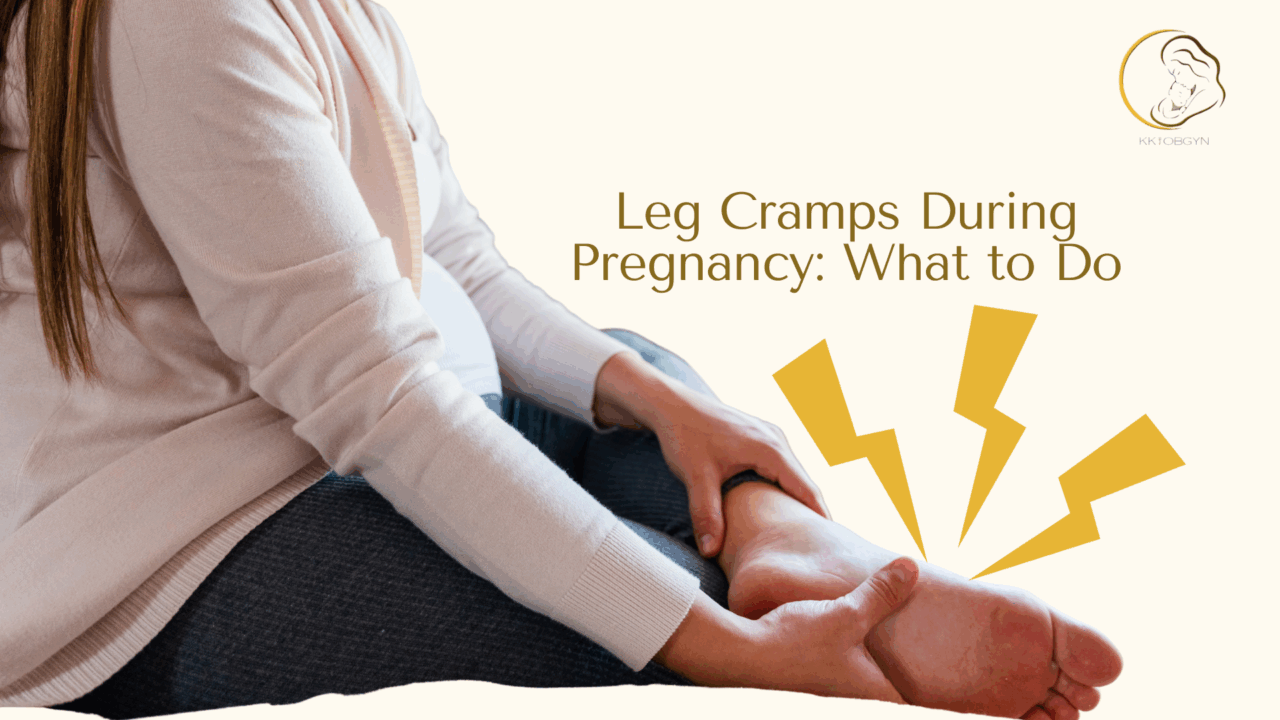
Leg Cramps During Pregnancy: Causes, Prevention & Relief
Leg cramps are a common and often distressing symptom experienced by many pregnant women, especially during the second and third trimesters. These sudden, involuntary muscle contractions can cause sharp pain, usually in the calves, and may disrupt sleep or daily activities. Understanding why leg cramps occur during pregnancy, how to prevent them, and the best ways to relieve the pain can make this uncomfortable symptom more manageable.
In this comprehensive guide, we will explore the causes, risk factors, prevention tips, and treatment options for leg cramps during pregnancy to help you maintain comfort and mobility throughout your pregnancy journey.
What Are Leg Cramps?
A leg cramp is a sudden, painful tightening or contraction of a muscle that typically lasts from a few seconds to several minutes. During pregnancy, these cramps most commonly affect the calf muscles but can also involve the feet or thighs.
How Common Are Leg Cramps in Pregnancy?
- Up to 30-50% of pregnant women report experiencing leg cramps.
- Most commonly occur during the second and third trimesters.
- Nighttime leg cramps are especially frequent, disrupting sleep and rest.
Why Do Leg Cramps Happen During Pregnancy?
While the exact cause of pregnancy-related leg cramps is not fully understood, several contributing factors are known:
1. Changes in Blood Circulation
Pregnancy increases blood volume to support the growing fetus. This can cause pressure on blood vessels, especially in the legs, leading to poor circulation and muscle cramps.
2. Increased Weight and Pressure
The additional weight puts more strain on your leg muscles and joints, sometimes causing them to tire or cramp more easily.
3. Electrolyte Imbalance
Low levels of minerals like calcium, magnesium, and potassium can contribute to muscle cramps.
| Mineral | Role in Muscle Function | Sources in Diet |
|---|---|---|
| Calcium | Muscle contraction and relaxation | Dairy, leafy greens, fortified foods |
| Magnesium | Muscle and nerve function | Nuts, seeds, whole grains |
| Potassium | Regulates muscle contractions | Bananas, potatoes, oranges |
4. Dehydration
Not drinking enough fluids can lead to muscle cramps by disrupting normal muscle function.
5. Fatigue and Overuse
Standing or walking for long periods can tire leg muscles and trigger cramps.
6. Nerve Compression
As the uterus grows, it can compress nerves in the lower back, leading to leg cramps or sciatica.
When to Be Concerned
Leg cramps during pregnancy are usually harmless, but consult your healthcare provider if you experience:
- Severe, persistent pain
- Swelling, redness, or warmth in the leg (possible sign of blood clot)
- Leg cramps accompanied by weakness or numbness
- Cramping that does not improve with home treatments
Preventing Leg Cramps During Pregnancy
Taking proactive steps can reduce the frequency and severity of leg cramps.
| Prevention Strategy | Why It Helps |
|---|---|
| Stay hydrated | Maintains electrolyte balance and muscle function |
| Eat a balanced diet rich in minerals | Ensures adequate calcium, magnesium, and potassium |
| Stretch calves daily | Keeps muscles flexible and reduces tightness |
| Wear comfortable shoes | Provides proper support and reduces muscle strain |
| Avoid standing or sitting for too long | Prevents muscle fatigue and poor circulation |
| Sleep on your left side | Improves blood flow to the legs and uterus |
| Apply warm compresses before bed | Relaxes muscles and improves circulation |
Effective Stretching Exercises for Leg Cramps
Regular stretching helps maintain muscle elasticity and can reduce cramps.
Calf Stretch:
- Stand facing a wall with hands on the wall.
- Step one foot back, keeping it straight and heel on the floor.
- Bend the front knee slightly and lean forward until you feel a stretch in the back leg’s calf.
- Hold for 20-30 seconds.
- Switch legs and repeat.
Foot Flex Stretch:
- Sit with legs extended.
- Flex your foot by pulling toes toward your shin.
- Hold for 20 seconds.
- Repeat several times.
How to Relieve a Leg Cramp When It Happens
If a cramp strikes, try these immediate relief techniques:
| Method | Instructions |
|---|---|
| Stretch the muscle | Straighten the leg and flex the foot upwards |
| Massage the area | Gently rub the cramped muscle to encourage relaxation |
| Apply heat | Use a warm towel or heating pad on the cramped muscle |
| Walk around | Moving helps reduce muscle tightness and restore circulation |
| Hydrate | Drink water or an electrolyte-rich drink |
When Should You See a Doctor?
Persistent or severe leg cramps that do not improve with home care should be evaluated by a healthcare provider. Additionally, symptoms like swelling, redness, or pain during walking could indicate deep vein thrombosis (DVT)—a blood clot that requires urgent medical attention.
Other Tips for Managing Leg Cramps in Pregnancy
- Wear compression stockings if you experience poor circulation.
- Avoid caffeine and excessive salt, which can dehydrate and contribute to cramps.
- Consider talking to your healthcare provider about supplements if your diet lacks essential minerals.
- Maintain a healthy weight gain to reduce strain on your legs.
Summary Table: Managing Leg Cramps During Pregnancy
| Issue | Cause/Trigger | Prevention/Treatment |
|---|---|---|
| Dehydration | Insufficient fluid intake | Drink plenty of water, hydrate regularly |
| Mineral imbalance | Low calcium, magnesium, potassium | Balanced diet, supplements if recommended |
| Muscle fatigue | Overuse or prolonged standing | Rest, stretch, avoid overexertion |
| Poor circulation | Blood vessel compression | Sleep on left side, wear compression stockings |
| Nighttime cramps | Muscle tightening during sleep | Stretch before bed, warm compress |
Final Thoughts
Leg cramps during pregnancy can be painful and frustrating, but with proper care, many women find relief. Maintaining hydration, good nutrition, gentle exercise, and practicing preventive stretches can make a significant difference.
Always communicate with your healthcare provider about any concerns or severe symptoms to ensure your and your baby’s health remain the priority.
Remember, you’re not alone, leg cramps are common, and support is available to help you through a comfortable and healthy pregnancy.
Leg cramps during pregnancy are a common concern affecting many expectant mothers, particularly in the second and third trimesters. These sudden muscle contractions typically occur in the calves and can significantly impact sleep quality and daily comfort. Understanding the underlying causes of leg cramps during pregnancy—including hormonal changes, increased weight, and mineral deficiencies—empowers you to take proactive steps. At Dr KY Kakudji INC in Randfontein, our experienced obstetricians provide personalized guidance on managing leg cramps during pregnancy safely and effectively.
Related reading: pregnancy care
Related reading: compassionate maternity support
Leg cramps during pregnancy are a common and often distressing symptom affecting up to 30-50% of pregnant women, especially during the second and third trimesters. These sudden, involuntary muscle contractions typically affect the calves but can involve the feet or thighs, causing sharp pain that disrupts sleep and daily activities. Understanding the causes of leg cramps during pregnancy—from Changes in Blood Circulation and electrolyte imbalances to increased weight and nerve compression—empowers you to take preventive action. At Lenmed Randfontein, Dr KY Kakudji provides expert guidance on managing leg cramps during pregnancy safely and effectively, ensuring comfort throughout your pregnancy journey.
Related reading: women's health during pregnancy