

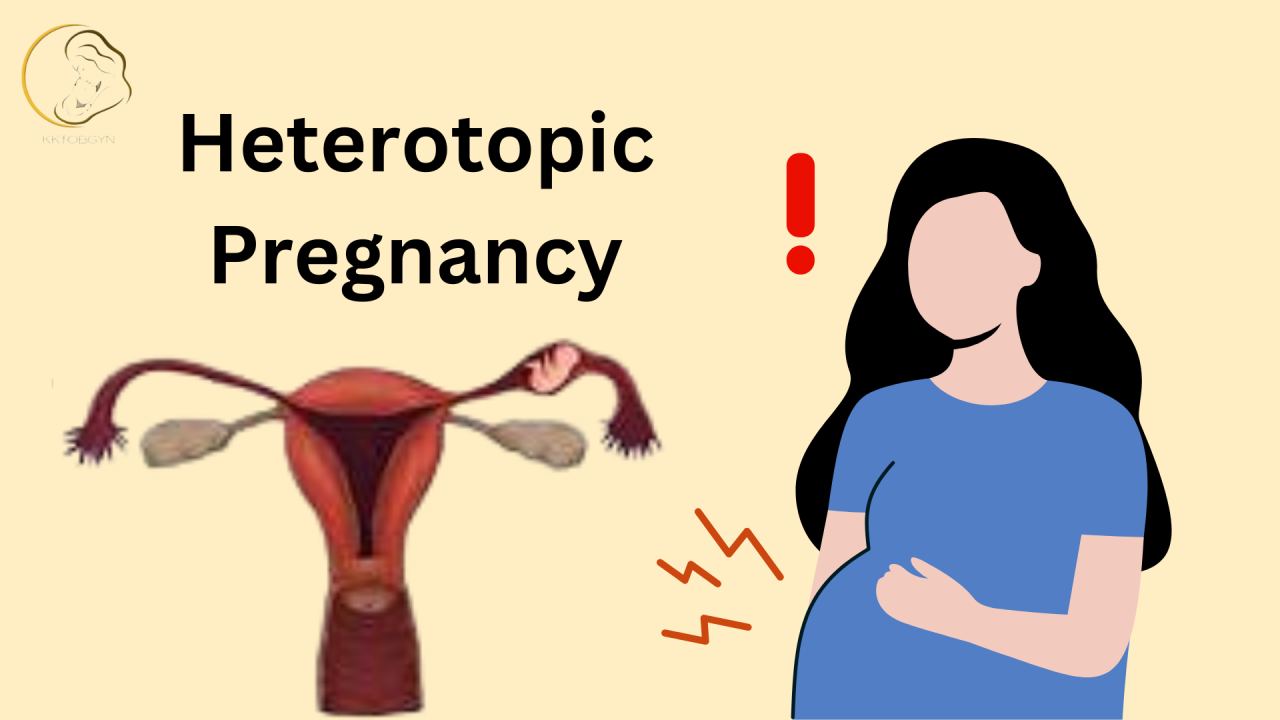
Heterotopic Pregnancy: Understanding Intrauterine and Ectopic Coexistence
Understanding Heterotopic Pregnancy
Heterotopic pregnancy is a rare and potentially life-threatening condition where simultaneous pregnancies occur in two different locations: one inside the uterus (intrauterine) and one outside, most commonly in the fallopian tube (ectopic). While ectopic pregnancies are relatively rare, occurring in about 1-2% of pregnancies, heterotopic pregnancies are even rarer, with an estimated incidence of 1 in 30,000 natural conceptions. However, the incidence rises significantly in pregnancies conceived through assisted reproductive technologies (ART), such as in vitro fertilization (IVF), where it can occur in up to 1 in 100 pregnancies.
Causes and Risk Factors
Heterotopic pregnancy can occur in any pregnant woman, but several factors increase the risk:
- Assisted Reproductive Technologies (ART): The use of fertility treatments, especially IVF, increases the likelihood of multiple embryos being transferred, which can lead to one implanting in the uterus and another in an ectopic location.
- Pelvic Inflammatory Disease (PID): A history of PID can cause scarring and damage to the fallopian tubes, increasing the risk of an ectopic pregnancy.
- Previous Ectopic Pregnancy: A history of ectopic pregnancy can predispose a woman to another ectopic pregnancy, which in rare cases can occur alongside an intrauterine pregnancy.
- Multiple Embryo Transfers: In IVF, the transfer of multiple embryos increases the chances of heterotopic pregnancy, as embryos can implant in different locations.
Signs and Symptoms
The clinical presentation of heterotopic pregnancy can be complex, as symptoms may overlap with those of a normal intrauterine pregnancy. However, key Signs and Symptoms include:
- Abdominal Pain: One of the most common symptoms, usually on one side of the abdomen, associated with the ectopic pregnancy.
- Vaginal Bleeding: May occur, although it is less common in heterotopic pregnancies compared to isolated ectopic pregnancies.
- Signs of Intrauterine Pregnancy: The usual symptoms of early pregnancy, such as nausea, breast tenderness, and missed periods, may also be present.
Because the symptoms of heterotopic pregnancy can mimic those of other conditions, such as a simple miscarriage or a ruptured ovarian cyst, it is often difficult to diagnose without imaging.
Diagnosis
Diagnosis of heterotopic pregnancy is challenging due to its rarity and the presence of a viable intrauterine pregnancy, which can mask the symptoms of the ectopic pregnancy. The following methods are typically used:
- Ultrasound: A transvaginal ultrasound is the most effective tool for diagnosing heterotopic pregnancy. It can visualize both the intrauterine and ectopic gestations. However, the ectopic pregnancy may be difficult to detect if it is small or located in an atypical site.
- Serial hCG Levels: While beta-hCG (human chorionic gonadotropin) levels are typically monitored in early pregnancy, they may not be as useful in heterotopic pregnancies, as the presence of a viable intrauterine pregnancy can mask the abnormal rise in hCG that typically indicates an ectopic pregnancy.
- Clinical Examination: A thorough physical examination can help in assessing the presence of abdominal tenderness, adnexal mass, or other signs that may suggest an ectopic pregnancy.
Management and Treatment
The management of heterotopic pregnancy is complex and requires a careful balance between treating the ectopic pregnancy and preserving the intrauterine pregnancy. Treatment options include:
- Surgical Intervention: Surgery is often required to remove the ectopic pregnancy, particularly if it is located in the fallopian tube and at risk of rupture. Laparoscopic surgery is preferred for its minimally invasive nature, allowing the surgeon to remove the ectopic pregnancy while preserving the fallopian tube if possible.
- Expectant Management: In some cases, especially if the ectopic pregnancy is small and not causing symptoms, careful monitoring may be chosen to see if the ectopic pregnancy resolves on its own. However, this approach is risky and is usually reserved for very specific situations.
- Medical Management: While methotrexate is commonly used to treat isolated ectopic pregnancies, it is not used in heterotopic pregnancies because it would harm the intrauterine pregnancy as well. Therefore, surgical management is often preferred.
- Follow-Up Care: After treatment, close follow-up is essential to monitor the progress of the intrauterine pregnancy and to ensure that the ectopic pregnancy has been completely resolved.
Prognosis and Outcomes
The prognosis for the intrauterine pregnancy in a heterotopic pregnancy can be good, especially if the ectopic pregnancy is diagnosed and treated early before complications arise. However, the risk of complications increases if the ectopic pregnancy ruptures or if the diagnosis is delayed.
Successful continuation of the intrauterine pregnancy is possible in many cases, and with careful management, a healthy delivery can be achieved. However, the emotional and physical toll on the mother can be significant, particularly if emergency surgery is required.
Emotional and Psychological Impact
The diagnosis of a heterotopic pregnancy can be emotionally overwhelming. The joy of a confirmed intrauterine pregnancy is often overshadowed by the fear and anxiety associated with the ectopic pregnancy. The potential for loss of one or both pregnancies, coupled with the physical demands of treatment, can lead to significant stress. Psychological support and counseling are often recommended to help women and their families navigate these complex emotions.
Conclusion: Awareness and Early Detection are Key
Heterotopic pregnancy is a rare but serious condition that requires a high index of suspicion, particularly in women undergoing fertility treatments. Early diagnosis through careful monitoring and ultrasound can significantly improve outcomes by allowing timely intervention. By raising awareness of this condition, healthcare providers can better support women at risk and improve the chances of a successful outcome for both mother and baby.
Heterotopic pregnancy is a rare and potentially life-threatening condition requiring specialist care. At Dr KY Kakudji's practice in Randfontein, we understand that heterotopic pregnancy—where simultaneous pregnancies occur in both the uterus and fallopian tube—demands expert diagnosis and careful management. While heterotopic pregnancy occurs in approximately 1 in 30,000 natural pregnancies, the incidence rises significantly in assisted reproductive technology (ART) procedures. Early detection through transvaginal ultrasound and close monitoring is essential to preserve the intrauterine pregnancy while safely treating the ectopic component. Our team combines clinical excellence with compassionate care.
Heterotopic pregnancy is a rare and potentially life-threatening condition where simultaneous pregnancies occur in two different locations: one inside the uterus (intrauterine) and one outside, most commonly in the fallopian tube (ectopic). While heterotopic pregnancy occurs in approximately 1 in 30,000 natural conceptions, the incidence rises significantly to 1 in 100 pregnancies in assisted reproductive technologies like IVF. At Dr KY Kakudji's practice in Randfontein, we provide comprehensive diagnostic and treatment services for heterotopic pregnancy, combining clinical expertise with patient-centered care to preserve the intrauterine pregnancy while safely managing the ectopic component.