

How Vaginal pH Indicates Health Problems: What You Need to Know
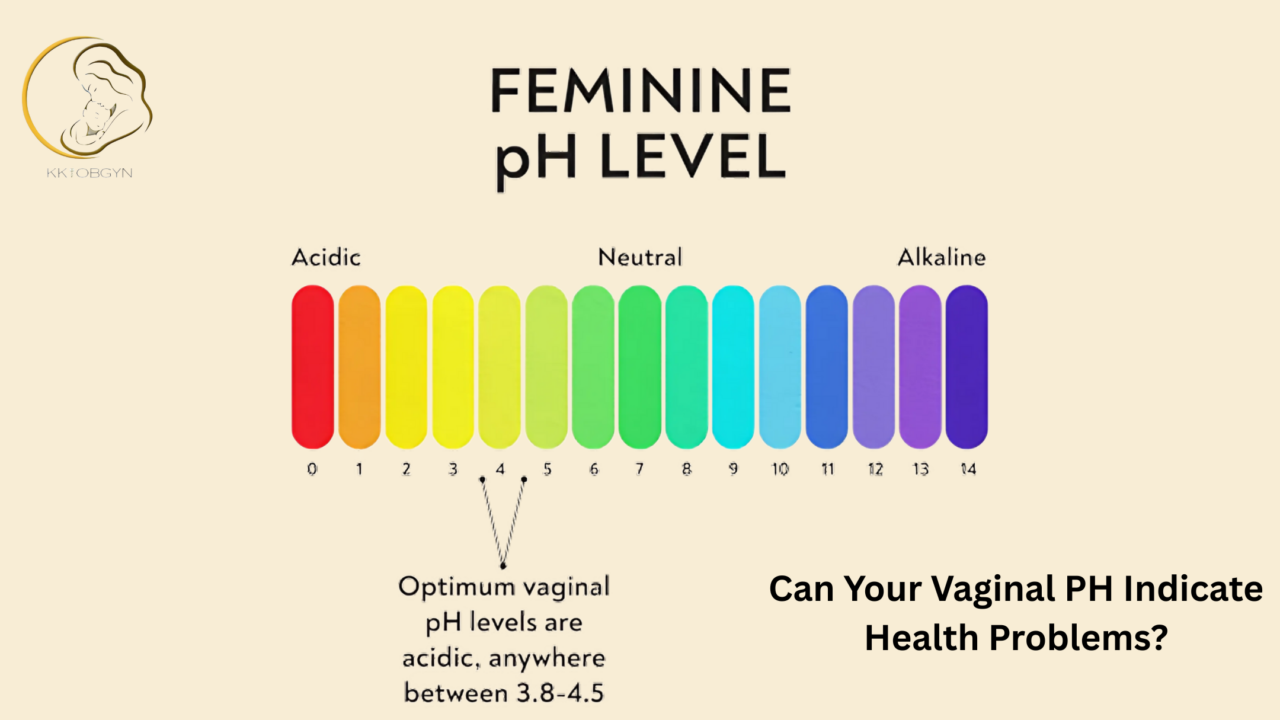
The vaginal pH is a key factor in maintaining a healthy balance of bacteria and overall vaginal health. A healthy vaginal pH typically ranges between 3.8 and 4.5, which is slightly acidic. This acidic environment helps prevent harmful bacteria and yeast from growing, while supporting beneficial bacteria, such as Lactobacillus, that keep the vagina healthy. However, changes in vaginal pH can indicate underlying health issues. In this blog, we’ll explore how vaginal pH works, what causes it to change, and how it can indicate health problems.
What is Vaginal pH?
Vaginal pH is a measure of how acidic or alkaline the environment of the vagina is. The pH level is determined by the concentration of hydrogen ions in the vaginal fluids. The ideal pH level for vaginal health is slightly acidic, around 4.0, which helps to:
- Support healthy bacteria: Lactobacilli, the beneficial bacteria that dominate the vagina, thrive in an acidic environment and help keep infections at bay.
- Prevent overgrowth of harmful bacteria and yeast: A healthy pH discourages the growth of harmful microorganisms, which can lead to infections such as bacterial vaginosis (BV) or yeast infections.
When the pH level becomes unbalanced, it can create an environment that allows harmful organisms to flourish, leading to various infections and health issues.
What Causes Changes in Vaginal pH?
Several factors can alter the pH level of the vagina, either temporarily or permanently. These changes can result from both lifestyle choices and underlying medical conditions.
1. Menstrual Cycle
The pH of the vagina can fluctuate during the menstrual cycle. At the beginning of the cycle, during menstruation, the pH tends to be more alkaline. As ovulation approaches, estrogen levels rise, which can lower the vaginal pH, making it more acidic. After ovulation, the pH becomes more alkaline again until menstruation starts.
2. Sexual Activity
Sexual activity can impact vaginal pH, especially if condoms or lubricants are used. Some lubricants are more alkaline, which can temporarily raise vaginal pH. Semen itself is also alkaline, so vaginal pH may become more neutral after intercourse, potentially increasing the risk of bacterial growth.
3. Antibiotics
Antibiotics, while effective for treating infections, can also disrupt the balance of bacteria in the vagina. They can kill not only harmful bacteria but also the good bacteria (Lactobacillus) that help maintain the vaginal pH, which can lead to an overgrowth of yeast and bacterial infections.
4. Douching
Douching, or washing the vagina with water or other fluids, can disrupt the natural pH balance. It can flush out the healthy bacteria in the vagina, leaving it vulnerable to infections.
|
Factor |
Effect on Vaginal pH |
|
Menstrual Cycle |
pH can fluctuate throughout the cycle. |
|
Sexual Activity |
Semen and lubricants can raise vaginal pH. |
|
Antibiotics |
Can disrupt healthy bacteria and raise pH. |
|
Douching |
Disrupts natural pH, increasing risk of infection. |
5. Hormonal Changes
Hormonal fluctuations, such as those during pregnancy or menopause, can affect the vaginal pH. During pregnancy, hormonal changes can make the vagina more acidic, while during menopause, the decline in estrogen can lead to a more alkaline environment, increasing the risk of infections.
6. Health Conditions
Certain health conditions can directly affect vaginal pH, leading to an imbalance. Conditions like bacterial vaginosis, yeast infections, and sexually transmitted infections (STIs) can all alter the vaginal pH. Let’s look at a few of these conditions in more detail.
Health Problems Indicated by Vaginal pH Imbalance
1. Bacterial Vaginosis (BV)
Bacterial vaginosis is a common vaginal infection caused by an overgrowth of harmful bacteria. It often results in an increase in vaginal pH, typically above 4.5. Symptoms of BV include a fishy odor, unusual discharge, and irritation. If left untreated, BV can lead to complications such as pelvic inflammatory disease (PID) or an increased risk of STIs.
2. Yeast Infections
Yeast infections, typically caused by an overgrowth of Candida yeast, can also alter vaginal pH. While the pH may not be as high as in BV, yeast infections tend to create a more acidic environment, leading to itching, burning, and unusual discharge.
3. Sexually Transmitted Infections (STIs)
STIs, such as chlamydia, gonorrhea, and trichomoniasis, can also affect vaginal pH. These infections often result in a more alkaline pH, leading to an environment that is conducive to the growth of harmful bacteria and further complications.
4. Menopause
As estrogen levels drop during menopause, the vagina becomes less acidic, which can raise pH levels. This change can make women more susceptible to infections, including urinary tract infections (UTIs) and vaginal atrophy.
|
Condition |
pH Level |
Symptoms |
|
Bacterial Vaginosis (BV) |
pH > 4.5 |
Fishy odor, unusual discharge |
|
Yeast Infection |
pH < 4.5 |
Itching, burning, thick discharge |
|
Sexually Transmitted Infections |
pH > 4.5 |
Discharge, pain, itching |
|
Menopause |
pH > 4.5 |
Vaginal dryness, irritation |
How to Maintain a Healthy Vaginal pH
Maintaining a balanced vaginal pH is crucial for overall vaginal health. Here are a few tips to help you keep your pH in check:
- Avoid douching: The vagina is self-cleaning, and douching can disrupt its natural pH balance.
- Use mild, unscented products: Avoid using scented soaps or sprays, as they can irritate the vaginal area and affect pH.
- Wear breathable underwear: Cotton underwear allows the area to breathe and reduces the risk of infections that can alter pH.
- Practice safe sex: Using condoms can help prevent the introduction of harmful bacteria that could alter pH.
- Stay hydrated: Drinking plenty of water supports overall health and can help maintain the natural balance of the vagina.
Conclusion
Vaginal pH plays a crucial role in maintaining overall vaginal health, and any imbalance can be an indicator of underlying health problems. Whether it’s a simple change due to the menstrual cycle or a more serious issue like bacterial vaginosis, understanding how pH affects your body can help you stay informed about your health. If you notice any changes in vaginal pH, such as unusual discharge or odor, it’s important to consult with a healthcare provider to address the root cause and prevent complications.
Understanding your vaginal pH is essential for recognizing when vaginal pH changes might signal underlying health concerns. A healthy vaginal pH typically ranges between 3.8 and 4.5, maintaining the slightly acidic environment that protects against infections. When vaginal pH becomes unbalanced, it can indicate issues like bacterial vaginosis or yeast infections. At Dr KY Kakudji's practice in Randfontein, we help women understand their bodies and recognize when vaginal pH fluctuations warrant professional evaluation. If you're experiencing symptoms alongside pH changes, our gynecological team can provide expert diagnosis and care.
Your vaginal pH is more than just a number—it's a vital indicator of your reproductive health. Understanding how vaginal pH health problems develop helps you recognize warning signs early. A healthy vaginal pH typically ranges between 3.8 and 4.5, creating an acidic environment that protects against infections. When vaginal pH health problems emerge due to antibiotics, sexual activity, or douching, harmful bacteria and yeast can flourish, leading to bacterial vaginosis, yeast infections, and other complications. At Dr KY Kakudji's practice in Randfontein, we help women understand their bodies and identify when vaginal pH imbalances require professional gynecological care.
Vaginal pH is a critical indicator of your reproductive health. Understanding how vaginal pH works helps you recognize when something may be wrong. Your vaginal pH indicates overall bacterial balance—when this delicate environment shifts, it can signal infections, hormonal changes, or other health concerns. A healthy vaginal pH ranges between 3.8 and 4.5, maintaining the acidic environment necessary for optimal vaginal health. Changes in vaginal pH health problems often manifest as unusual discharge, itching, or discomfort. At Dr KY Kakudji's practice in Randfontein, we help women understand their vaginal pH and address imbalances before they develop into serious conditions.