Can You Be Pregnant and Vegan? Complete Nutritional Guide
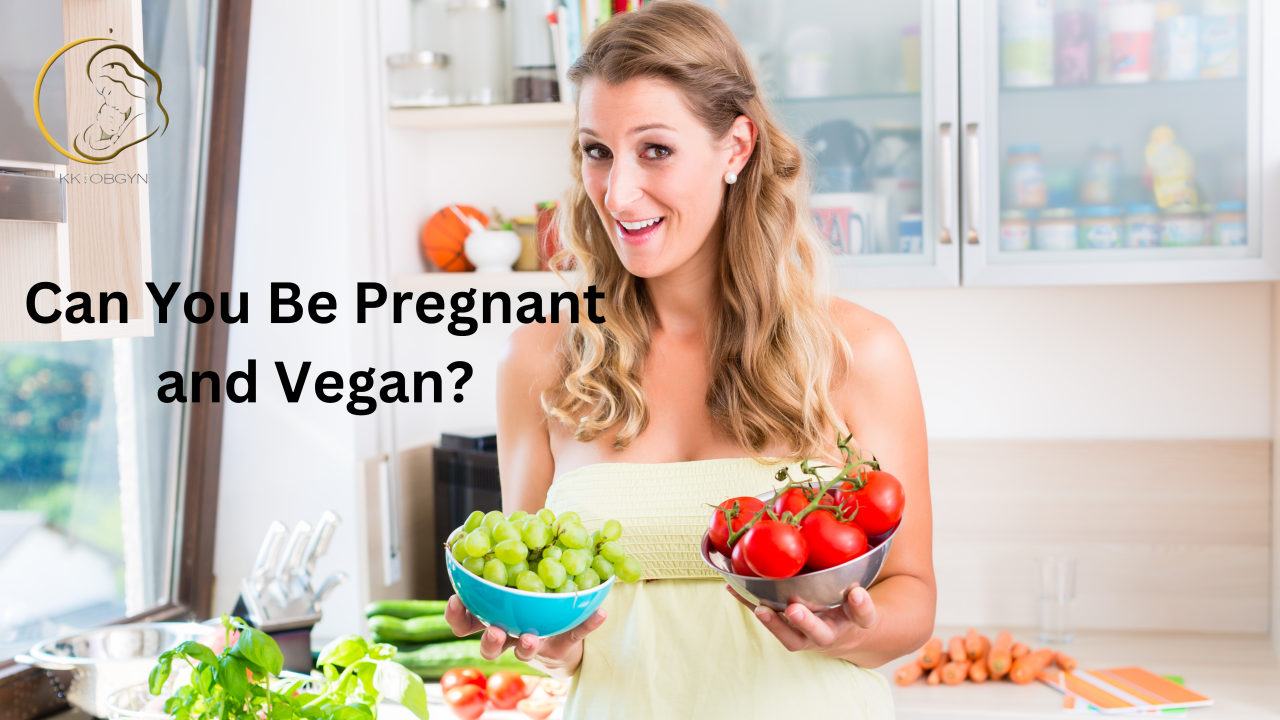
Pregnancy is an incredible journey that brings unique physical and emotional transformations. For those following a vegan diet, the challenge often lies in meeting heightened nutritional needs without compromising on their ethical and dietary principles. The great news? With careful planning and mindful choices, being pregnant and vegan is not only possible but can also result in a well-balanced, nourishing diet for both you and your baby.
In this guide, we’ll dive deep into how to successfully navigate pregnancy while adhering to a vegan lifestyle.
Why Nutrition Matters So Much in Pregnancy
Pregnancy is a time of exponential growth—not just for your baby but also for your body. Nutritional demands increase as your body supports fetal development, builds the placenta, and stores essential nutrients for breastfeeding.
- Protein: Helps with the formation of tissues and organs in the growing baby.
- Iron: Supports increased blood volume and oxygen transport.
- Calcium: Crucial for developing strong bones and teeth.
- Vitamin B12: Aids in brain and nervous system development.
- Omega-3 Fatty Acids: Important for brain and eye development.
A vegan diet can meet these needs, provided you carefully plan your meals.
Critical Nutrients and How to Get Them
1. Protein
Protein needs increase by about 25 grams daily during pregnancy. Aim for a total of 70–100 grams per day. Vegan sources include:
- Lentils: 18 grams per cooked cup.
- Chickpeas: 15 grams per cooked cup.
- Tofu: 10 grams per half-cup.
- Seitan: 21 grams per 3-ounce serving.
- Plant-based protein powders.
Pairing whole grains (like brown rice) with legumes (like black beans) ensures you get all nine essential amino acids.
2. Iron
Pregnant women need 27 mg of iron daily. Plant-based sources include:
- Lentils: 6.6 mg per cooked cup.
- Spinach: 6.4 mg per cooked cup.
- Fortified cereals: Up to 18 mg per serving.
- Pumpkin seeds: 2.5 mg per ounce.
Iron from plants (non-heme iron) is less easily absorbed, so pair it with vitamin C-rich foods like oranges, strawberries, or bell peppers for maximum absorption.
3. Calcium
Pregnant women require 1,000 mg of calcium daily. Vegan sources include:
- Fortified plant milks: 300 mg per cup.
- Tofu (made with calcium sulfate): 350 mg per half-cup.
- Kale and collard greens: 150–250 mg per cup.
- Almonds: 75 mg per ounce.
4. Vitamin B12
Since B12 is naturally found in animal products, vegans must rely on fortified foods or supplements:
- Fortified nutritional yeast: 2.4 mcg per tablespoon.
- Fortified plant milks: 2–3 mcg per cup.
- B12 supplements (consult your doctor for dosage).
5. Omega-3 Fatty Acids
DHA and EPA are critical for fetal brain and eye development. Vegan sources include:
- Ground flaxseeds: 1.6 grams per tablespoon.
- Chia seeds: 2.5 grams per tablespoon.
- Algal oil supplements (plant-based DHA).
Planning Your Vegan Pregnancy Diet
Here’s a sample day for meeting nutritional needs:
Breakfast
- Fortified oatmeal topped with sliced banana, chia seeds, and almond butter.
- A glass of fortified orange juice.
Morning Snack
- A smoothie with spinach, frozen mango, plant-based protein powder, and almond milk.
Lunch
- A Buddha bowl with quinoa, roasted chickpeas, steamed kale, and tahini dressing.
Afternoon Snack
- Carrot sticks with hummus.
Dinner
- Lentil and vegetable curry served with brown rice.
- Steamed broccoli on the side.
Dessert
- Fortified soy yogurt with crushed walnuts and a sprinkle of ground flaxseeds.
The Role of Supplements in Vegan Pregnancy
While food should always be your primary source of nutrients, supplements are essential for filling any gaps. Consult your healthcare provider about:
- Prenatal Vitamins: Contain folic acid, iron, and other vital nutrients.
- Vitamin B12: Crucial for fetal neurological development.
- Omega-3 DHA/EPA: Derived from algae.
- Calcium and Vitamin D: For bone health.
Common Challenges and Solutions
1. Morning Sickness
Nausea may make it hard to consume certain foods. Opt for small, frequent meals, and focus on bland, nutrient-dense options like fortified crackers or toast with avocado.
2. Fatigue
Iron deficiency can contribute to exhaustion. Regularly monitor iron levels and include iron-rich snacks like dried fruits.
3. Weight Gain Concerns
Vegan diets are often lower in calories. Focus on calorie-dense options like nut butters, avocados, and whole grains to maintain a healthy pregnancy weight.
4. Social Judgments
Friends or family may question your choice to stay vegan. Share research-based resources to reassure them that a vegan pregnancy is both safe and healthy when well-planned.
Debunking Myths About Vegan Pregnancy
- “You can’t get enough protein on a vegan diet.”
Many plant-based foods are protein-rich. Combining grains and legumes ensures complete protein intake. - “Your baby will be undernourished.”
Studies have shown that with proper planning, vegan pregnancies are just as healthy as omnivorous ones. - “You’ll have a calcium deficiency.”
Fortified foods and plant-based sources like kale and tofu can meet your calcium needs.
Conclusion
A vegan pregnancy requires dedication, but it’s entirely achievable and can be incredibly rewarding. By focusing on whole, nutrient-dense foods, incorporating supplements, and working closely with a healthcare provider, you can confidently nourish your baby while staying true to your ethical and dietary principles.
Remember, pregnancy is as unique as you are. Listen to your body, adjust your diet as needed, and embrace this beautiful journey with compassion and care.
Being pregnant and vegan is entirely achievable with careful nutritional planning. Many expecting mothers choose to maintain their vegan lifestyle during pregnancy, and with the right knowledge, a pregnant and vegan diet can provide all essential nutrients for both mother and baby. At Dr KY Kakudji's practice in Randfontein, we support pregnant and vegan patients by helping them understand critical nutritional needs. Key nutrients like protein, iron, calcium, B12, and omega-3s require special attention when pregnant and vegan. Our team ensures your vegan pregnancy is well-planned and nutritionally complete, so you can focus on this incredible journey with confidence and peace of mind.
Being pregnant and vegan nutrition requires careful planning, but it's absolutely achievable. Pregnant and vegan women can meet all their nutritional needs through thoughtful food choices and strategic supplementation. With proper knowledge of pregnant and vegan nutrition—understanding protein requirements, iron absorption, calcium sources, B12 supplementation, and omega-3 intake—you'll support both your health and your baby's development. At Dr KY Kakudji's practice in Randfontein, we guide expecting mothers through personalised nutrition strategies that honour their ethical choices while ensuring optimal maternal and fetal health outcomes.
Being pregnant and vegan nutrition requires thoughtful planning, but it's absolutely achievable. Pregnant and vegan mothers can meet all their nutritional needs through carefully selected plant-based foods and supplements. At Dr KY Kakudji's practice in Randfontein, we support patients exploring pregnant and vegan nutrition with evidence-based guidance. With the right approach to protein, iron, calcium, B12, and omega-3 fatty acids, you can nurture your baby while staying true to your dietary principles. Our compassionate team ensures every expectant mother—regardless of dietary choice—receives personalized prenatal care.