

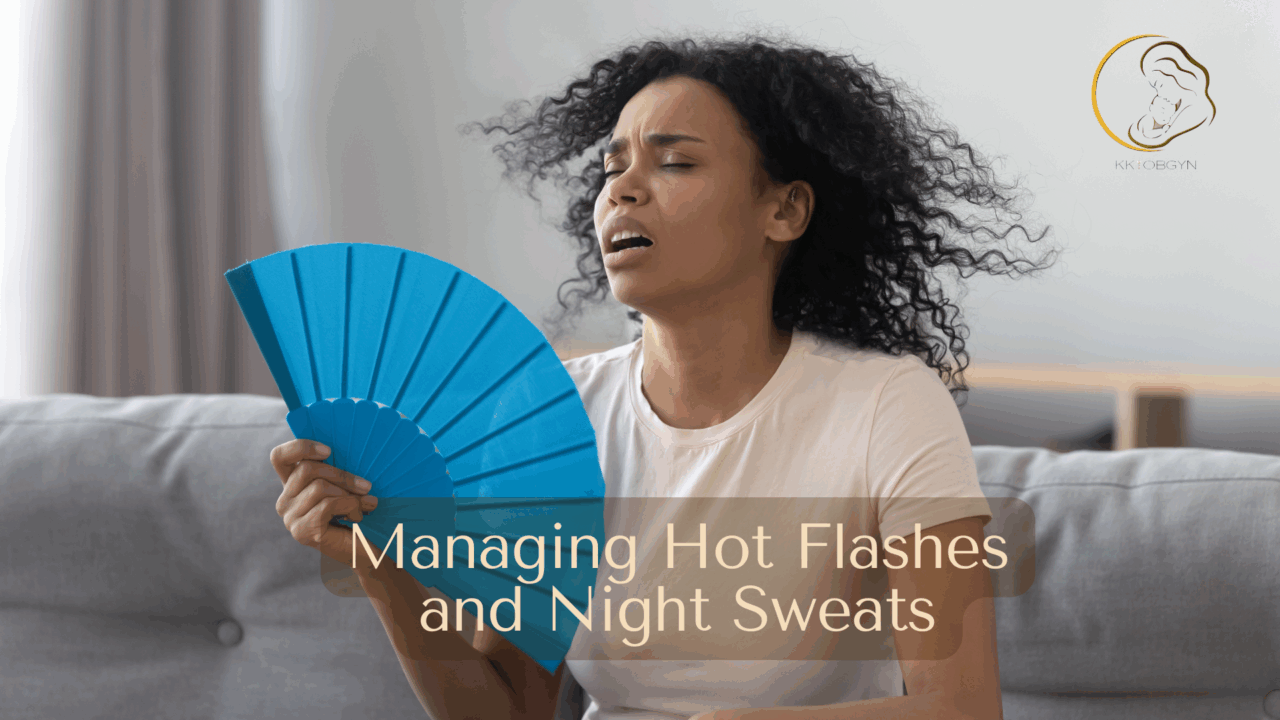
Managing Hot Flashes and Night Sweats: Medical Guide for Menopause
Hot flashes and night sweats are common experiences that affect many women, especially during menopause and the transitional phase called perimenopause. These sudden feelings of intense heat, often accompanied by sweating and flushing, can disrupt daily life and sleep quality. Understanding why hot flashes and night sweats happen, how to manage them naturally, and when to seek medical help can greatly improve your comfort and well-being.
This comprehensive guide covers the causes, symptoms, lifestyle strategies, medical treatments, and tips for coping with hot flashes and night sweats.
What Are Hot Flashes and Night Sweats?
- Hot flashes are sudden waves of heat that spread mainly over the face, neck, and chest, causing skin redness and sweating. They typically last from 30 seconds to several minutes.
- Night sweats are hot flashes that occur during sleep, leading to heavy sweating that can disrupt rest and cause discomfort.
Both are symptoms commonly linked to hormonal changes, particularly the decline in Estrogen levels during menopause.
Why Do Hot Flashes and Night Sweats Occur?
| Cause | Explanation |
|---|---|
| Hormonal fluctuations | Estrogen drop affects the hypothalamus, the brain’s temperature regulator |
| Thermoregulatory disruption | The hypothalamus mistakenly senses overheating and triggers heat release mechanisms |
| Other triggers | Stress, spicy foods, caffeine, alcohol, smoking, tight clothing, and warm environments |
Who Is Most Affected?
- Women going through perimenopause (usually 40s to 50s).
- Postmenopausal women (12 months after the last period).
- Women who have had their ovaries removed or undergone chemotherapy.
- Some younger women may experience hot flashes due to hormone therapy or medical conditions.
Common Symptoms
- Sudden warmth spreading through the upper body.
- Flushed, red skin.
- Rapid heartbeat or palpitations.
- Profuse sweating.
- Chills or shivering after the hot flash subsides.
- Night sweats causing sleep disruption.
Lifestyle Strategies to Manage Hot Flashes and Night Sweats
| Strategy | Tips |
|---|---|
| Keep cool | Dress in layers, use fans, keep bedroom cool at night |
| Avoid triggers | Identify and avoid spicy foods, caffeine, alcohol, and smoking |
| Stress management | Practice relaxation techniques like deep breathing, yoga, or meditation |
| Exercise regularly | Moderate physical activity helps regulate hormones and mood |
| Healthy diet | Focus on fruits, vegetables, whole grains, and phytoestrogens (plant estrogens) found in soy and flaxseed |
| Hydration | Drink plenty of water to help regulate body temperature |
| Quit smoking | Smoking can worsen symptoms and overall health |
Natural Remedies and Supplements
- Black cohosh: Herbal supplement used for menopausal symptoms, though evidence varies.
- Flaxseed: Rich in phytoestrogens which may have mild hormone-like effects.
- Soy products: Contain isoflavones that may reduce hot flashes.
- Vitamin E: Some women find relief with supplements, but consult a doctor first.
- Acupuncture: Some studies suggest it may help reduce hot flash frequency.
Always consult a healthcare provider before starting any supplement, especially if you have other health conditions or take medications.
Medical Treatments for Severe Symptoms
If hot flashes and night sweats severely affect quality of life, your doctor may suggest:
| Treatment | Details and Considerations |
|---|---|
| Hormone Replacement Therapy (HRT) | Effective in reducing symptoms by replacing estrogen; risks and benefits must be discussed |
| Non-hormonal medications | Certain antidepressants, gabapentin, or blood pressure meds have shown benefit |
| Vaginal estrogen | For localized symptoms like dryness and irritation |
Tips for Managing Night Sweats and Improving Sleep
- Use breathable, moisture-wicking bedding and sleepwear.
- Keep a cool glass of water by the bed.
- Practice good sleep hygiene, regular schedule, calming bedtime routine.
- Avoid heavy meals and caffeine close to bedtime.
- Consider using a fan or air conditioner in the bedroom.
When to See a Doctor
Seek medical advice if:
- Hot flashes start suddenly and are very intense.
- Symptoms interfere with daily life or sleep significantly.
- You have other concerning symptoms like unexplained weight loss or fever.
- You want to explore treatment options beyond lifestyle changes.
Summary Table: Managing Hot Flashes and Night Sweats
| Aspect | Recommendations |
|---|---|
| Causes | Hormonal changes, triggers like caffeine, stress |
| Lifestyle changes | Cooling strategies, avoiding triggers, exercise |
| Natural remedies | Black cohosh, flaxseed, soy, vitamin E |
| Medical treatments | Hormone therapy, non-hormonal meds, vaginal estrogen |
| Sleep tips | Breathable bedding, cool environment, good sleep hygiene |
Final Thoughts
Hot flashes and night sweats are a natural part of many women’s menopausal journey, but they don’t have to control your life. With a combination of lifestyle adjustments, natural remedies, and, if needed, medical treatments, you can significantly reduce discomfort and improve your quality of life.
Open communication with your healthcare provider is key to finding the best management plan tailored to your needs.
Hot flashes and night sweats are common symptoms affecting many women during menopause and perimenopause. Managing hot flashes and night sweats effectively requires understanding their root causes and exploring both natural and medical solutions. At Dr KY Kakudji INC in Randfontein, we specialize in helping women navigate this transition with evidence-based treatments. Whether you're seeking lifestyle modifications or professional menopause management, our experienced gynecologist can provide personalized care tailored to your needs.
Related reading: understanding vaginal health changes
What Causes Hot Flashes and Night Sweats During Menopause?
Related reading: quality of life during hormonal transitions
Managing hot flashes and night sweats is a priority for women transitioning through menopause. These sudden waves of intense heat can significantly impact daily life and sleep quality, but effective solutions exist. Whether you're managing hot flashes through lifestyle adjustments or exploring medical interventions, understanding your symptoms is the first step. At Dr KY Kakudji's practice in Randfontein, we specialise in helping women navigate menopause by tailoring treatment plans that address managing hot flashes and night sweats through proven, evidence-based approaches.
Managing hot flashes and night sweats is essential for maintaining quality of life during menopause and perimenopause. These sudden waves of intense heat, often accompanied by profuse sweating, affect millions of women worldwide. Understanding what triggers your symptoms and learning effective strategies for managing hot flashes and night sweats can significantly improve your comfort, sleep quality, and overall well-being. At Dr KY Kakudji's practice in Randfontein, we provide personalized approaches combining lifestyle modifications, natural remedies, and evidence-based medical treatments to help you regain control during this important life transition.
Managing hot flashes and night sweats is a priority for women navigating menopause and perimenopause. Hot flashes and night sweats are sudden waves of intense heat that disrupt daily life and sleep quality, affecting quality of life significantly. Understanding why managing hot flashes and night sweats matters—and knowing the range of options from lifestyle adjustments to medical treatments—can help you regain comfort and confidence. At Dr KY Kakudji's practice in Randfontein, we specialise in menopausal health and provide personalised guidance on managing hot flashes and night sweats effectively, ensuring you receive the right care for your individual needs.
Lifestyle Strategies to Manage Hot Flashes and Night Sweats Effectively
Related reading: compassionate gynecological care