

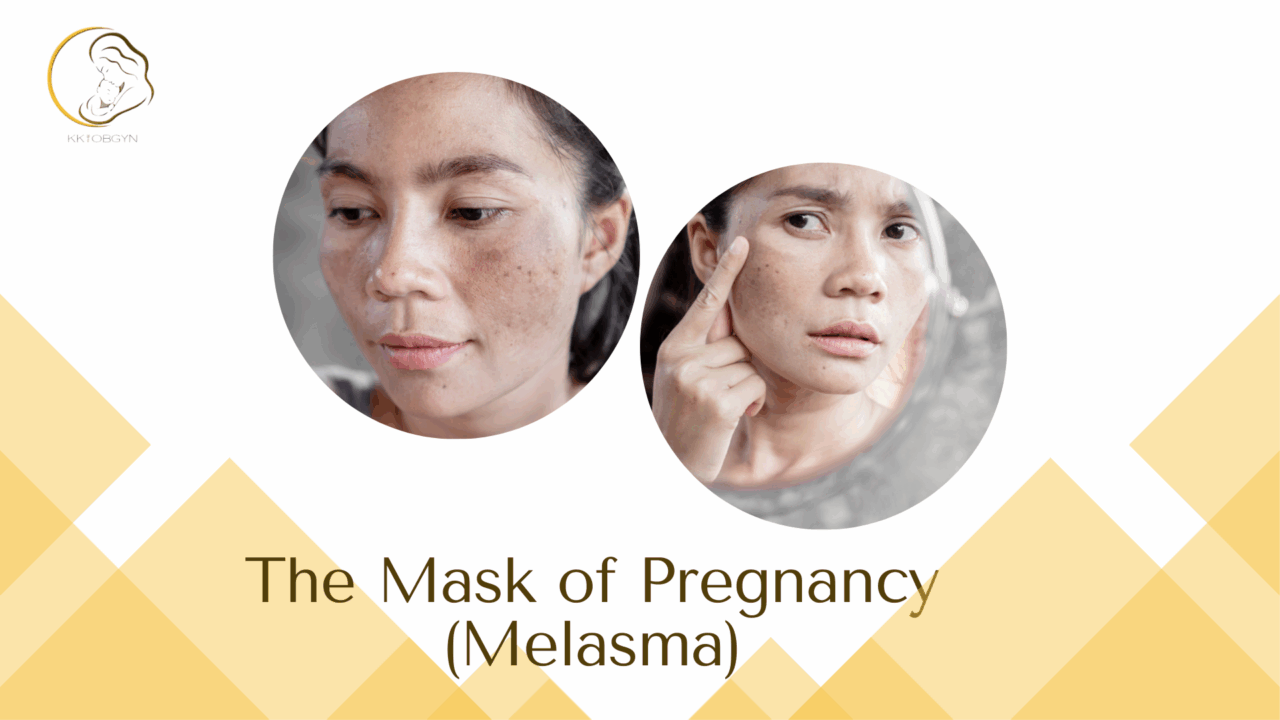
Pregnancy Melasma: Understanding the Mask of Pregnancy
Pregnancy brings many changes to a woman’s body, some joyous, others surprising. One common skin condition many expectant mothers experience is melasma, often called the “mask of pregnancy.” Characterized by dark, patchy pigmentation, melasma can affect the face and cause concern about appearance.
In this detailed guide, we explore what melasma is, why it happens during pregnancy, how to manage it safely, and when it usually fades.
What is Melasma?
Melasma is a skin condition where brown or gray-brown patches appear on the face, typically on the:
- Cheeks
- Forehead
- Bridge of the nose
- Upper lip
- Chin
The patches are caused by excess melanin production, the pigment responsible for skin color.
Why Does Melasma Occur During Pregnancy?
Melasma is primarily triggered by hormonal changes during pregnancy. Elevated levels of estrogen and progesterone stimulate melanocytes (pigment-producing cells) to produce more melanin.
Additional factors include:
- Sun exposure: UV rays worsen melasma by increasing melanin production.
- Genetics: Women with a family history of melasma are more prone.
- Skin type: Darker skin tones are more susceptible.
When Does Melasma Usually Appear?
- Typically develops in the second or third trimester of pregnancy.
- Can also occur or worsen with oral contraceptive use or hormone replacement therapy.
Is Melasma Harmful?
- Melasma is harmless medically but can cause cosmetic concern.
- It does not affect the health of the mother or baby.
- The emotional impact due to changes in appearance can affect self-esteem.
How to Manage Melasma During Pregnancy
Since many common skin treatments are unsafe during pregnancy, managing melasma requires gentle and safe approaches:
| Management Strategy | Details |
|---|---|
| Sun protection | Use broad-spectrum sunscreen (SPF 30 or higher) daily and wear hats and protective clothing |
| Gentle skincare routine | Use mild cleansers and moisturizers to avoid irritation |
| Avoid harsh chemicals | Stay away from skin-lightening agents containing hydroquinone or retinoids |
| Makeup camouflage | Use mineral-based foundations or concealers to cover pigmentation |
| Consult dermatologist | For safe topical treatments suitable during pregnancy |
Treatments to Consider After Pregnancy
- Melasma often fades gradually postpartum as hormone levels normalize.
- If pigmentation persists after breastfeeding, treatments may include:
| Treatment | Description |
|---|---|
| Topical bleaching agents | Hydroquinone, azelaic acid, kojic acid |
| Chemical peels | Mild exfoliation to reduce pigmentation |
| Laser therapy | Targeted light therapy under professional care |
Always consult a dermatologist before starting any treatment.
Prevention Tips for Melasma
| Tip | Why It Helps |
|---|---|
| Avoid direct sun exposure | UV light triggers melanin production |
| Use sunscreen daily | Protects skin from UV rays |
| Wear wide-brimmed hats | Provides physical barrier from sun |
| Avoid tanning beds | Artificial UV light worsens pigmentation |
| Maintain hydration and healthy diet | Supports skin health |
Emotional Support and Self-Care
- Remember, melasma is a common, natural part of pregnancy for many women.
- Practice self-compassion and seek support if skin changes affect your confidence.
- Join pregnancy support groups or talk to friends who understand your experience.
Summary Table: Melasma in Pregnancy
| Aspect | Details |
|---|---|
| Cause | Hormonal changes (estrogen, progesterone), sun exposure |
| Appearance | Brown or gray-brown facial patches |
| Onset | Second or third trimester |
| Harmful? | No, but can impact self-esteem |
| Management | Sun protection, gentle skincare, makeup camouflage |
| Postpartum Treatment | Possible topical agents, chemical peels, laser therapy |
Final Thoughts
The mask of pregnancy, or melasma, is a natural skin change many women experience. While it can feel frustrating, Understanding its causes and safe management options empowers you to care for your skin gently during this special time.
With time and proper protection, melasma usually fades, leaving you with healthy skin and beautiful memories of your pregnancy journey.
Pregnancy melasma, commonly known as the mask of pregnancy, is a harmless but visible skin condition affecting many expectant mothers. This pregnancy melasma appears as symmetric brown or gray-brown patches on the face, particularly on the cheeks, forehead, and bridge of the nose. While pregnancy melasma can cause aesthetic concern, understanding its causes, management strategies, and natural resolution timeline helps expectant mothers approach this temporary change with confidence and proper skincare.
Related reading: pregnancy changes and body confidence
What Is Melasma and Where Does It Appear?
Related reading: comprehensive prenatal care
Pregnancy melasma, commonly known as the mask of pregnancy, is a harmless but visible skin condition affecting many expectant mothers. This pregnancy melasma appears as symmetric brown or gray-brown patches on the face, particularly on the cheeks, forehead, and bridge of the nose. While pregnancy melasma can cause aesthetic concern, understanding its causes, management strategies, and natural resolution timeline helps expectant mothers approach this temporary change with confidence and proper skincare.
Pregnancy melasma, commonly known as the mask of pregnancy, is a natural skin condition many expectant mothers experience. This pregnancy melasma appears as symmetric brown or gray-brown patches on the face, typically developing in the second or third trimester. While pregnancy melasma is harmless medically and doesn't affect your baby's health, it can impact self-esteem and cause cosmetic concern. Understanding what causes pregnancy melasma—primarily hormonal changes in estrogen and progesterone—empowers you to manage it safely during this special time. With proper sun protection, gentle skincare, and awareness, most women find that pregnancy melasma gradually fades after delivery as hormone levels normalize.
Related reading: women's health and self-care during pregnancy
Why Does Melasma Occur During Pregnancy?
Related reading: compassionate maternity care