

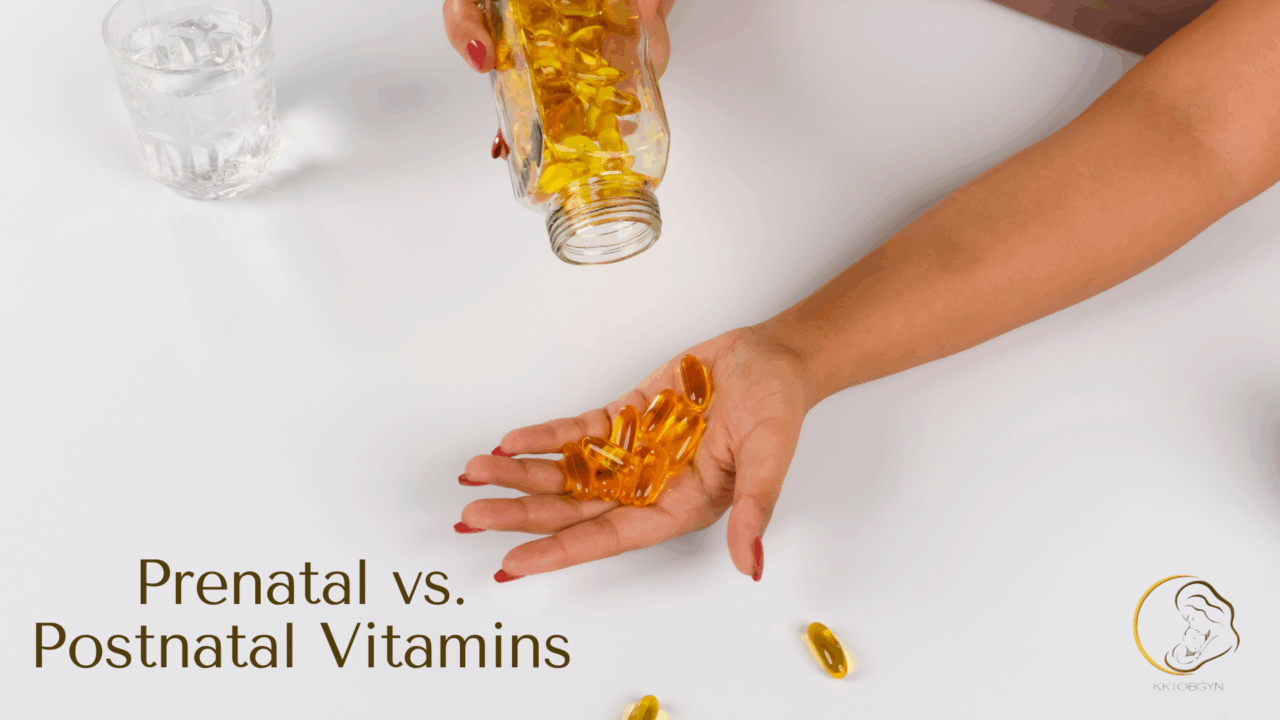
Prenatal vs Postnatal Vitamins: Essential for Mother & Baby
Vitamins and minerals play a crucial role in supporting both mother and baby during pregnancy and after birth. But with so many supplements available, it can be confusing to understand the difference between prenatal and postnatal vitamins, and why each is important.
This detailed guide breaks down the key nutrients in prenatal and postnatal vitamins, their benefits, timing, and tips to choose the right supplements for your journey.
What Are Prenatal Vitamins?
Prenatal vitamins are specially formulated supplements designed to meet the increased nutritional demands of pregnancy. They help support fetal development and prepare the mother’s body for childbirth.
Key Nutrients in Prenatal Vitamins
| Nutrient | Role During Pregnancy | Recommended Daily Amount |
|---|---|---|
| Folic acid | Prevents neural tube defects (spina bifida) | 400–800 mcg |
| Iron | Supports increased blood volume and prevents anemia | 27 mg |
| Calcium | Builds baby’s bones and teeth; maintains mother’s bone health | 1000 mg |
| Vitamin D | Helps calcium absorption; supports immune system | 600 IU |
| Iodine | Essential for baby’s brain and thyroid development | 220 mcg |
| Vitamin B6 | Helps reduce nausea and supports brain development | 1.9 mg |
| Vitamin C | Enhances iron absorption and immune function | 85 mg |
| Zinc | Supports immune system and cell growth | 11 mg |
When to Take Prenatal Vitamins
- Ideally started before conception or as soon as pregnancy is confirmed.
- Taken daily throughout pregnancy to support fetal growth and maternal health.
- Important to continue even if eating a balanced diet, as some nutrients may be insufficient from food alone.
What Are Postnatal Vitamins?
Postnatal vitamins are supplements formulated for mothers after childbirth. They focus on replenishing nutrient stores depleted during pregnancy and birth, supporting recovery, and promoting health during breastfeeding.
Key Nutrients in Postnatal Vitamins
| Nutrient | Role After Birth | Recommended Daily Amount |
|---|---|---|
| Iron | Prevents postpartum anemia | 9–10 mg (higher if anemic) |
| Calcium | Supports bone health and milk production | 1000 mg |
| Vitamin D | Maintains bone health and supports immune function | 600 IU |
| Vitamin B12 | Supports energy and neurological function, especially for breastfeeding mothers | 2.8 mcg |
| Omega-3 Fatty Acids (DHA) | Supports baby’s brain development through breast milk | 200–300 mg DHA |
| Vitamin C | Supports healing and immune function | 85 mg |
| Folate | Important for cell growth and repair | 500 mcg |
When to Take Postnatal Vitamins
- Recommended immediately after delivery, especially if breastfeeding.
- Continue for at least 6 months postpartum or as advised by a healthcare provider.
- Helps improve energy, mood, and recovery from childbirth.
Differences Between Prenatal and Postnatal Vitamins
| Aspect | Prenatal Vitamins | Postnatal Vitamins |
|---|---|---|
| Purpose | Support fetal development and maternal health during pregnancy | Support recovery and breastfeeding post-delivery |
| Key nutrients emphasis | High folic acid, iron, calcium, and vitamin D | Iron, calcium, vitamin B12, omega-3 fatty acids |
| Timing | Before conception through pregnancy | After childbirth, especially during breastfeeding |
| Formulation | Higher iron and folate content | May include omega-3s and higher B vitamins |
Choosing the Right Vitamin Supplement
- Consult your healthcare provider: For personalized advice based on your health, diet, and pregnancy status.
- Check ingredient labels: Ensure key nutrients are included at recommended doses.
- Quality matters: Choose reputable brands with good manufacturing practices.
- Avoid mega-doses: Excessive vitamin intake can be harmful to you and your baby.
Natural Ways to Support Nutrition
In addition to vitamins, maintaining a balanced diet rich in fruits, vegetables, whole grains, lean proteins, and dairy supports both prenatal and postnatal health.
Summary Table: Key Nutrients in Prenatal vs. Postnatal Vitamins
| Nutrient | Prenatal Role | Postnatal Role |
|---|---|---|
| Folic acid | Prevents birth defects | Supports cell repair |
| Iron | Prevents anemia | Replenishes blood loss |
| Calcium | Bone development | Bone health, milk production |
| Vitamin D | Calcium absorption, immunity | Bone health, immunity |
| Vitamin B12 | Brain development | Energy and neurological function |
| Omega-3 (DHA) | Brain development (less emphasis) | Supports breastfeeding and baby brain |
Final Thoughts
Both prenatal and postnatal vitamins are essential in their respective phases of motherhood. Starting prenatal vitamins early and continuing with postnatal supplements after delivery help ensure you and your baby get the nutrients necessary for optimal health and development.
Always talk to your healthcare provider before starting or changing any supplement regimen.
Understanding the difference between prenatal and postnatal vitamins is crucial for every woman planning pregnancy or in the postpartum phase. Prenatal vitamins are specially formulated to support fetal development and maternal health during pregnancy, while postnatal vitamins focus on recovery, nutrient replenishment, and breastfeeding support. At Dr KY Kakudji INC in Randfontein, we guide patients through selecting appropriate prenatal and postnatal vitamin regimens tailored to individual health needs. Both prenatal and postnatal vitamins contain essential nutrients, but their concentrations differ based on your body's changing requirements during and after pregnancy.
Related reading: pregnancy journey
Related reading: breastfeeding and maternal health
Related reading: postpartum body recovery
Related reading: women's reproductive health