

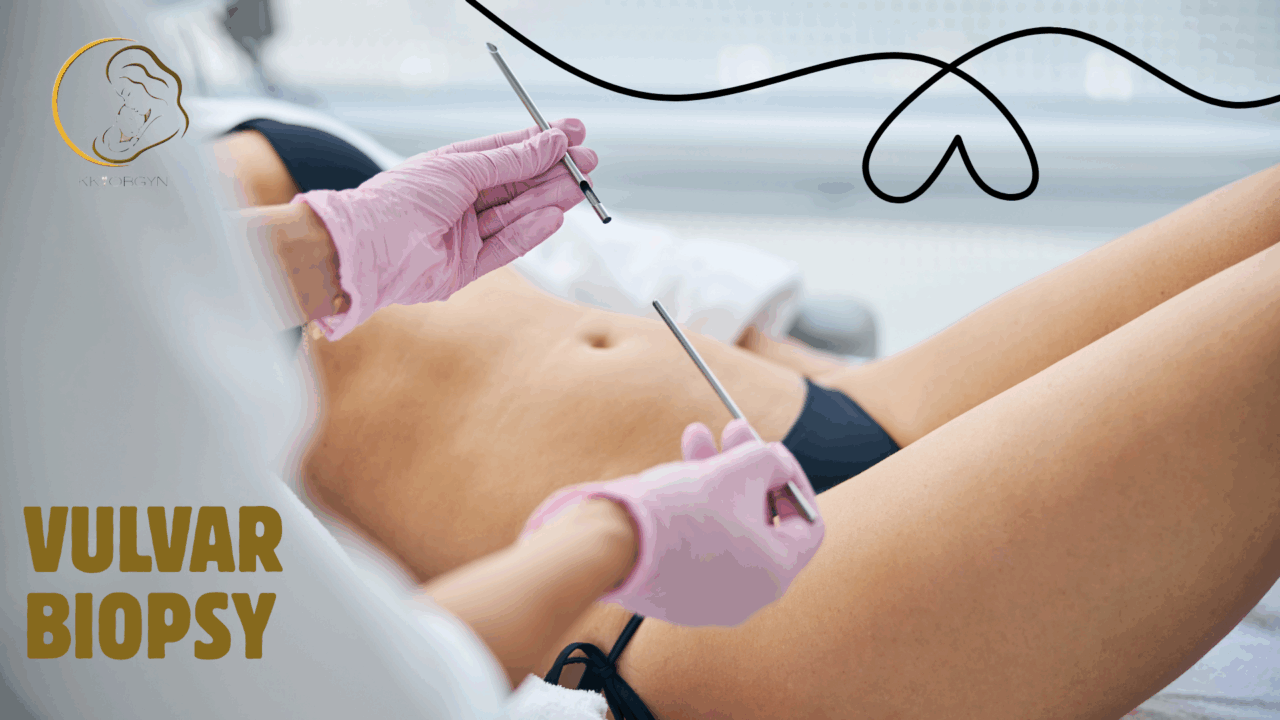
Vulvar Biopsy Procedure: Complete Patient Guide
A vulvar biopsy may sound intimidating, but it’s a common and important procedure used to diagnose various skin changes or abnormalities in the vulva. Understanding why it’s done, how it’s performed, and what to expect afterward can ease anxiety and help you make informed decisions about your health.
What Is a Vulvar Biopsy?
A vulvar biopsy is a minor surgical procedure where a small piece of tissue is removed from the vulva (the external female genital area) to be examined under a microscope. It helps diagnose conditions such as:
-
Persistent itching or irritation
A vulvar biopsy procedure is a minor surgical technique used to diagnose various skin changes and abnormalities affecting the vulva. During this vulvar biopsy procedure, your gynaecologist removes a small tissue sample for microscopic examination. The vulvar biopsy procedure helps identify conditions like lichen sclerosus, vulvar cancer, genital warts, and chronic dermatitis. At Dr KY Kakudji INC in Randfontein, our experienced gynaecologists perform vulvar biopsy procedures with precision and compassion, ensuring accurate diagnosis and appropriate treatment planning for conditions requiring tissue analysis.
A vulvar biopsy is a minor surgical procedure that removes a small tissue sample from the vulva for microscopic examination. This vulvar biopsy helps diagnose various skin conditions, persistent irritation, and abnormalities affecting the external female genital area. At Dr KY Kakudji INC, our experienced gynecologists perform vulvar biopsy procedures with precision and compassion, ensuring accurate diagnosis and appropriate treatment planning for conditions requiring tissue analysis.
-
Skin discoloration or thickening
-
Unusual growths or sores
-
Vulvar pain or burning
-
Precancerous or cancerous lesions
Why Is a Vulvar Biopsy Done?
Gynaecologists recommend a vulvar biopsy to investigate abnormalities that can’t be diagnosed with a physical exam alone.
| Reason for Biopsy | Potential Concerns |
|---|---|
| Persistent itching or burning | Lichen sclerosus, lichen planus |
| Raised or pigmented lesions | Vulvar cancer, melanoma |
| White patches or rough skin | HPV-related changes, chronic inflammation |
| Unexplained sores or ulcers | Infections, autoimmune disorders |
| Non-healing or bleeding areas | Pre-cancer or skin cancer |
Common Conditions Diagnosed by Vulvar Biopsy
| Condition | Description |
|---|---|
| Lichen Sclerosus | Chronic skin disorder causing thin, white patches |
| Lichen Planus | Inflammatory condition with painful, red lesions |
| Vulvar Intraepithelial Neoplasia (VIN) | Pre-cancerous changes in vulvar cells |
| Vulvar Cancer | Rare but serious; early diagnosis is crucial |
| Genital Warts | Caused by certain strains of HPV |
| Chronic Dermatitis | Ongoing irritation from allergies, soaps, or moisture |
Types of Vulvar Biopsy Techniques
The doctor will choose the technique based on the lesion’s size, depth, and location.
What Is a Vulvar Biopsy Procedure?
| Biopsy Type | How It’s Done | Used For |
|---|---|---|
| Punch Biopsy | Small circular blade removes a round piece of tissue | Most common for skin lesions |
| Shave Biopsy | Blade shaves off a raised lesion | Used for surface-level abnormalities |
| Excisional Biopsy | Removes larger/deeper area, sometimes entire lesion | Used if cancer is suspected |
How to Prepare for the Procedure
Usually, no major preparation is needed, but here are a few tips:
-
Avoid intercourse, douching, or using vaginal creams for 24 hours before.
-
Inform your doctor of any medications or blood thinners.
-
Eat normally unless advised otherwise.
-
Wear loose-fitting clothing to avoid discomfort after the procedure.
What to Expect During the Procedure
-
Location: Usually done in a gynaecologist’s office.
-
Anesthesia: Local anesthesia is applied to numb the area.
-
Duration: The procedure takes about 15–30 minutes.
-
Pain Level: Mild discomfort or stinging from the numbing injection.
After numbing, the doctor removes a small tissue sample. You may need one or two stitches, especially with punch or excisional biopsies.
Aftercare and Recovery
Expect mild pain, swelling, and spotting for a few days.
| Care Tips | Instructions |
|---|---|
| Pain Management | Use paracetamol or ibuprofen; avoid aspirin |
| Hygiene | Keep the area clean and dry; gently pat with warm water |
| Clothing | Wear cotton underwear and loose pants |
| Sexual Activity | Avoid for at least a week or until healing completes |
| Exercise | Avoid intense workouts or cycling until cleared |
| Follow-Up | Attend any scheduled visits to review biopsy results |
Possible Side Effects
While complications are rare, you should watch for:
-
Excessive bleeding
-
Severe pain
-
Signs of infection (fever, pus, foul odor)
-
Delayed healing or opening of the biopsy site
Contact your healthcare provider immediately if you experience any of these.
Understanding the Results
It typically takes 7–14 days to get results. Your doctor will call you or schedule a follow-up.
| Possible Result | What It Means | Next Steps |
|---|---|---|
| Benign/Normal | No abnormal cells | No further treatment unless symptoms persist |
| Inflammatory | Skin irritation or dermatitis | May need topical treatment |
| Precancerous (VIN) | Cell changes that may develop into cancer | May require surgery, laser, or medication |
| Cancerous | Confirmed vulvar cancer | Referred to a specialist for treatment planning |
Emotional Impact and Support
Getting a biopsy, especially in such a sensitive area, can be emotionally stressful. Here’s how to cope:
Why Your Gynaecologist Recommends a Vulvar Biopsy
-
Talk to a partner, friend, or counsellor.
-
Ask your doctor to explain everything clearly.
-
Take time to rest and recover.
-
Join online or in-person support groups for women’s health.
FAQs About Vulvar Biopsy
| Question | Answer |
|---|---|
| Will it hurt? | Mild pain or stinging during and some soreness after |
| Will I get stitches? | Possibly, depending on the size and depth of the biopsy |
| Can I go to work the same day? | Yes, but consider resting for 24 hours if possible |
| Is bleeding normal? | Light spotting for 1–3 days is expected |
| Is it safe during pregnancy? | Usually avoided unless necessary for diagnosis |
Conclusion
A vulvar biopsy is a small but powerful tool in protecting your reproductive and skin health. While the idea might feel uncomfortable, the procedure is quick, relatively painless, and can prevent serious health conditions when done early. Being informed about why it’s needed and what to expect can help you face it with confidence.
Related reading: vaginal health
Related reading: tracking vaginal changes
Related reading: vaginal baseline
Related reading: gynecological care
Related reading: pelvic pain