

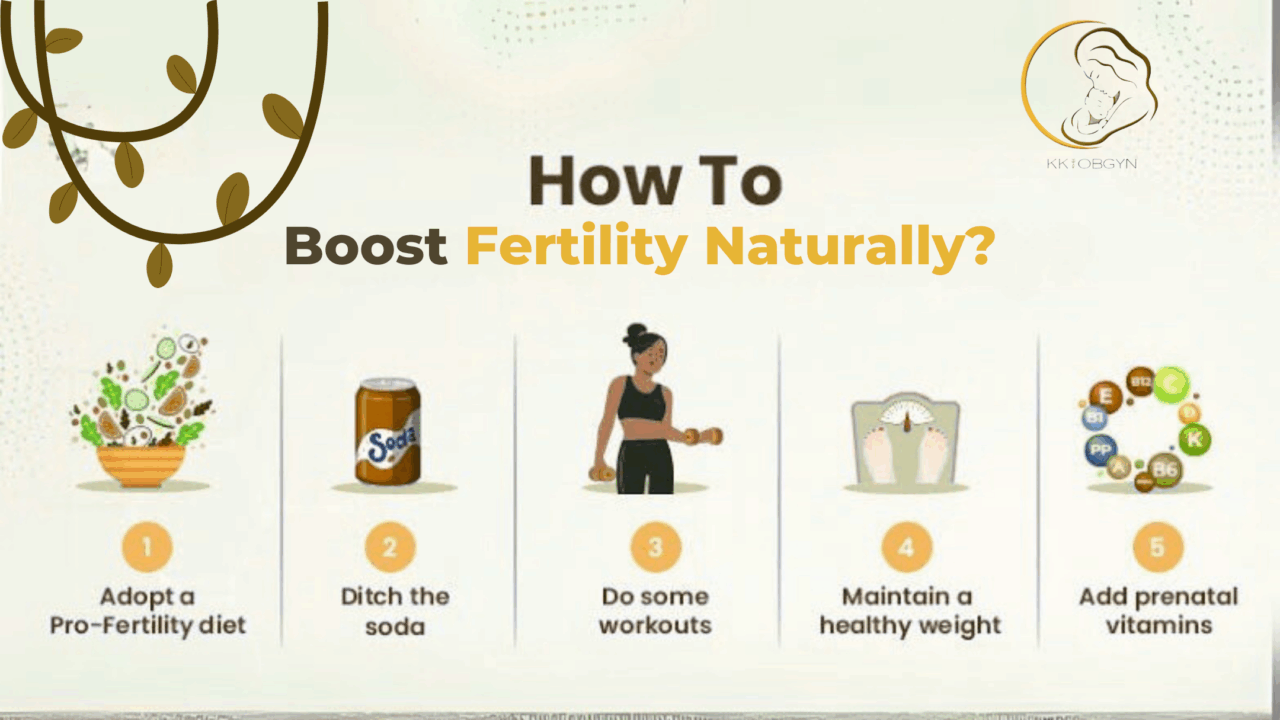
Boost Fertility Naturally: Evidence-Based Tips for Healthier Conception
Fertility is a deeply personal and sometimes challenging journey for many individuals and couples. While some may conceive easily, others may find the process takes longer than expected. Fortunately, there are many natural ways to support your reproductive health and increase your chances of conception.
In this blog, we’ll explore how lifestyle, diet, and holistic wellness can play a powerful role in boosting fertility—naturally and effectively.
Understanding Fertility Basics
Fertility depends on a series of intricate biological processes involving ovulation, hormonal balance, and sperm health. For conception to occur, the following must align:
- A mature egg is released (ovulation)
- Sperm is present and healthy
- Fertilization takes place
- A fertilized egg implants in the uterus
Disruption in any part of this cycle can affect fertility. While medical intervention may be necessary in some cases, natural approaches can greatly improve your baseline reproductive health.
Key Lifestyle Factors That Influence Fertility
|
Factor |
Impact on Fertility |
Tips to Improve |
|
Diet |
Nutritional deficiencies can disrupt ovulation and hormones |
Eat whole, unprocessed foods, rich in nutrients |
|
Weight |
Being underweight or overweight affects ovulation |
Aim for a BMI between 18.5 and 24.9 |
|
Exercise |
Supports hormone balance, but excessive exercise can hinder it |
Moderate workouts 3–5x/week |
|
Sleep |
Poor sleep affects hormone regulation |
Aim for 7–8 hours per night |
|
Stress |
Chronic stress can suppress ovulation |
Practice meditation, journaling, or deep breathing |
|
Toxin Exposure |
Chemicals can disrupt hormones (endocrine disruptors) |
Use natural products, avoid BPA/plastics |
Fertility-Boosting Foods
The foundation of natural fertility is nutrient-dense eating. Here are the top fertility-enhancing foods:
- Leafy Greens (Spinach, Kale, Swiss Chard)
- Rich in folate and iron
- Avocados
- Healthy fats support hormone production
- Nuts and Seeds (especially pumpkin, sunflower, flax, and walnuts)
- Provide zinc, selenium, and omega-3 fatty acids
- Whole Grains (quinoa, brown rice, oats)
- Stabilize insulin and blood sugar levels
- Berries (blueberries, raspberries)
- Packed with antioxidants that protect egg and sperm quality
- Lean Proteins (chicken, fish, legumes)
- Essential for hormone synthesis
- Full-Fat Dairy
- May support ovulatory fertility better than low-fat alternatives
- Water
- Keeps cervical mucus healthy and supports overall organ function
Supplements That Support Fertility
Before taking any supplement, consult your healthcare provider. Some widely recommended options include:
- Prenatal Vitamins (with folic acid)
- Coenzyme Q10 (CoQ10): May improve egg quality
- Vitamin D: Important for hormone balance and immune support
- Omega-3 Fatty Acids: Support cellular health and reduce inflammation
- Zinc and Selenium: Aid sperm health and egg quality
- Myo-Inositol: Especially helpful for women with PCOS
Natural Ways to Track Fertility
Understanding your cycle is a key part of boosting fertility naturally. Consider these methods:
- Basal Body Temperature (BBT)
- Track your temperature each morning before getting out of bed
- A slight rise usually indicates ovulation
- Cervical Mucus Monitoring
- Fertile mucus is clear, stretchy, and egg white–like
- Ovulation Predictor Kits (OPKs)
- Detect LH surge that precedes ovulation
- Fertility Apps
- Apps like Clue, Flo, or Kindara help you log and predict fertile days
Herbs for Fertility Support
Some herbs have been traditionally used to balance hormones and support reproductive function. Always speak with a professional before starting herbal treatments.
|
Herb |
Use/Benefit |
|
Vitex (Chasteberry) |
Balances progesterone, regulates cycles |
|
Maca Root |
Supports libido and hormone balance |
|
Red Raspberry Leaf |
Tones uterine muscles and supports cycles |
|
Ashwagandha |
Reduces stress and supports adrenal health |
Up to 40–50% of infertility cases involve male factors. Men can also benefit from lifestyle changes:
- Avoid tight underwear and excessive heat (e.g., hot tubs)
- Stop smoking and limit alcohol
- Eat zinc- and selenium-rich foods
- Exercise regularly
When to Seek Help
You should consult a fertility specialist if:
- You’re under 35 and haven’t conceived after 12 months of trying
- You’re over 35 and haven’t conceived after 6 months
- You have irregular periods, known reproductive disorders, or miscarriage history
Final Thoughts
Boosting fertility naturally takes time, consistency, and self-care. By nourishing your body, managing stress, and syncing with your cycle, you can optimize your chances of conception without invasive treatments.
Boosting fertility naturally starts with understanding how lifestyle factors directly impact your reproductive health. When you boost fertility naturally through diet, exercise, stress management, and cycle awareness, you're addressing the biological foundations of conception. Research shows that couples who focus on natural fertility optimization often see improved outcomes before pursuing medical interventions. Dr KY Kakudji at Lenmed Randfontein supports both natural approaches and advanced reproductive medicine—helping you find the right path for your conception journey with compassionate, evidence-based care.