

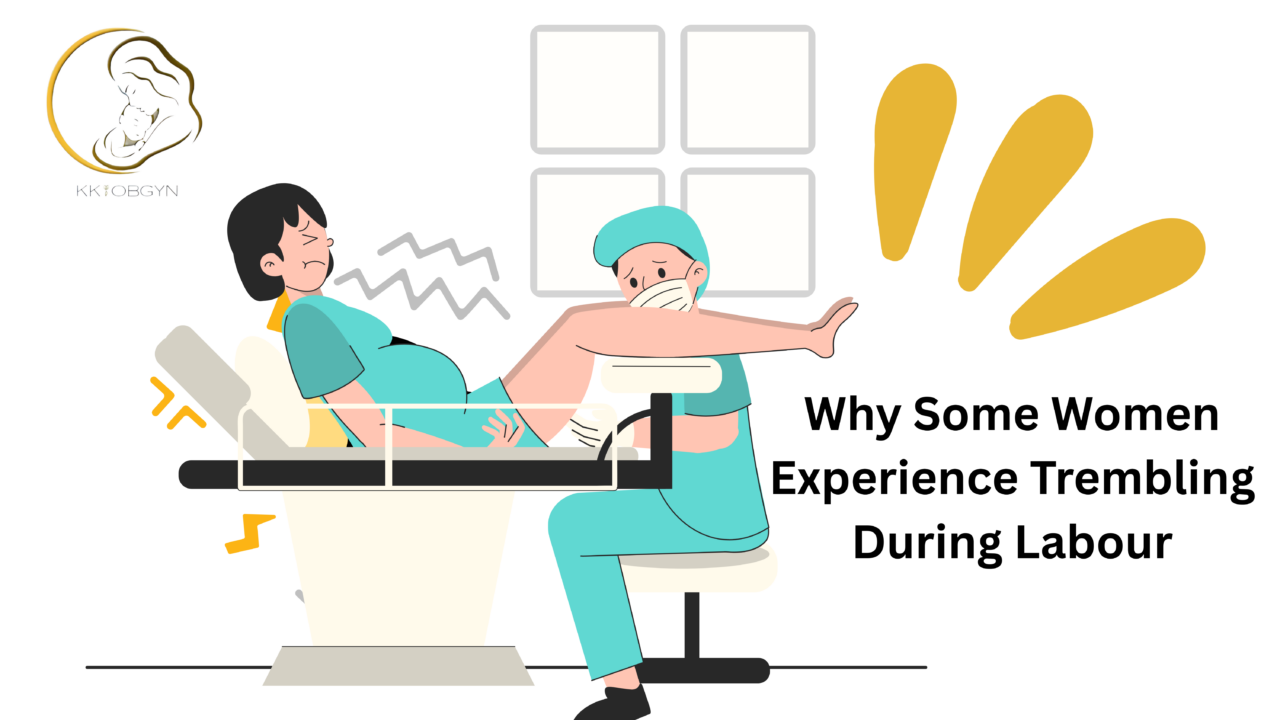
Labour is one of the most physically intense and emotionally significant experiences a woman can undergo. As contractions become stronger and the body works to bring a baby into the world, many women experience unexpected symptoms that they were not prepared for. One of the most surprising is uncontrollable trembling or shaking during labour.
Some women notice mild shaking in their hands, while others experience full-body tremors that make it difficult to hold objects, speak steadily, or remain still. These episodes can occur during early labour, active labour, delivery, or even shortly after the baby is born.
For women experiencing it for the first time, trembling can be frightening. Some worry they are having a medical emergency, while others fear something may be wrong with their baby. In reality, trembling during labour is often a normal physiological response to the extraordinary physical and hormonal changes occurring within the body.
Understanding why labour-related trembling occurs can help women feel more prepared, less anxious, and better able to focus on the birth process.
Is Trembling During Labour Normal?
Yes. Trembling during labour is very common.
Many women experience some degree of shaking during:
- Early labour
- Active labour
- The transition phase
- Delivery
- The immediate postpartum period
Healthcare providers frequently observe labour-related tremors, and in most cases, they are considered a normal response to labour rather than a sign of a complication.
Common Forms of Labour Trembling
✔ Shaking hands
✔ Chattering teeth
✔ Full-body trembling
✔ Leg shaking
✔ Feeling cold despite a normal temperature
✔ Involuntary muscle movements
The intensity varies greatly from one woman to another.
The Role of Adrenaline During Labour
One of the most important causes of labour shaking is the release of adrenaline.
Adrenaline is a hormone produced during periods of physical stress, excitement, or intense exertion.
Labour places enormous demands on the body, triggering the release of:
- Adrenaline
- Noradrenaline
- Cortisol
These hormones help prepare the body for the challenges of childbirth.
Effects of Adrenaline
| Adrenaline Response | Effect on the Body |
|---|---|
| Increased heart rate | Improved circulation |
| Increased alertness | Enhanced focus |
| Increased muscle activity | Greater physical readiness |
| Nervous system stimulation | Trembling and shaking |
As adrenaline levels rise, involuntary shaking may occur.
Labour Is Physically Demanding
Labour requires significant muscular effort.
The uterus is one of the strongest muscles in the body and contracts repeatedly for hours or sometimes even days.
During labour, the body works hard to:
- Dilate the cervix
- Move the baby downward
- Coordinate contractions
- Prepare for delivery
This intense physical effort can lead to muscle fatigue and trembling.
Physical Demands of Labour
| Process | Physical Requirement |
|---|---|
| Contractions | Continuous muscular work |
| Cervical dilation | Coordinated uterine activity |
| Pushing | Significant energy expenditure |
| Delivery | Peak physical exertion |
Just as athletes may shake after intense exercise, labouring women may experience similar physiological responses.
Hormonal Surges During Childbirth
Labour involves dramatic hormonal changes.
Several hormones play major roles:
- Oxytocin
- Adrenaline
- Endorphins
- Cortisol
These hormones fluctuate rapidly as labour progresses.
Key Labour Hormones
| Hormone | Function |
|---|---|
| Oxytocin | Stimulates contractions |
| Endorphins | Natural pain relief |
| Adrenaline | Supports physical response |
| Cortisol | Stress adaptation |
Rapid hormonal changes can affect the nervous system and contribute to trembling.
The Transition Phase and Shaking
One of the most common times for trembling to occur is during the transition phase of labour.
Transition is the period when the cervix dilates from approximately 8 to 10 centimetres.
This stage is often:
- Intense
- Physically demanding
- Emotionally overwhelming
Women may experience:
- Trembling
- Nausea
- Sweating
- Emotional outbursts
- Feelings of being overwhelmed
Common Transition Phase Symptoms
✔ Trembling
✔ Nausea
✔ Vomiting
✔ Sweating
✔ Increased pressure
✔ Emotional intensity
Shaking during this stage is generally considered normal.
Why Some Women Feel Cold During Labour
Many women report feeling cold despite being physically active and working hard.
This can occur because labour affects:
- Blood vessel function
- Circulation
- Hormonal balance
- Body temperature regulation
As a result, women may experience:
- Chills
- Goosebumps
- Shivering
- Teeth chattering
Labour Chills vs Fever
| Labour Chills | Fever-Related Chills |
|---|---|
| Often temporary | Persistent |
| No infection present | Usually associated with illness |
| Common during labour | Requires medical evaluation |
| Normal body temperature | Elevated temperature |
Healthcare providers often monitor temperature to distinguish between the two.
Blood Pressure and Circulatory Changes
Labour places considerable demands on the cardiovascular system.
During contractions:
- Blood flow patterns change
- Heart rate may increase
- Blood pressure may fluctuate
These circulatory changes can sometimes contribute to feelings of shaking or weakness.
Circulatory Symptoms During Labour
□ Trembling
□ Dizziness
□ Feeling faint
□ Weakness
□ Sweating
Monitoring by healthcare providers helps ensure these changes remain within expected limits.
The Impact of Pain
Pain itself can trigger trembling.
When the body experiences intense pain, the nervous system activates protective mechanisms involving adrenaline and stress hormones.
This response may cause:
- Shaking
- Muscle tension
- Rapid breathing
- Sweating
Pain-Related Symptoms
| Pain Response | Physical Effect |
|---|---|
| Adrenaline release | Trembling |
| Muscle tension | Fatigue |
| Faster breathing | Increased oxygen demand |
| Increased heart rate | Greater circulation |
The shaking often improves after delivery or effective pain management.
Epidurals and Trembling
Women who receive epidural anaesthesia may also experience shaking.
In fact, trembling is one of the most common side effects of epidural use.
Possible reasons include:
- Changes in body temperature regulation
- Altered nerve signals
- Blood pressure changes
- Medication effects
Epidural-Related Shaking
✔ Leg trembling
✔ Chills
✔ Teeth chattering
✔ Full-body shaking
Although uncomfortable, these symptoms are usually temporary.
Low Blood Sugar During Labour
Labour requires energy.
If a woman has not eaten for an extended period or has depleted energy reserves, blood sugar levels may drop.
Symptoms of Low Blood Sugar
□ Shaking
□ Weakness
□ Sweating
□ Dizziness
□ Hunger
□ Fatigue
Healthcare teams monitor maternal wellbeing and may recommend appropriate nutritional support when possible.
Emotional Responses and Trembling
Labour is not only a physical event but also an emotional one.
Women may experience:
- Excitement
- Fear
- Anticipation
- Relief
- Anxiety
Strong emotions can activate the nervous system and contribute to shaking.
Emotional Triggers
| Emotion | Possible Physical Response |
|---|---|
| Fear | Trembling |
| Anxiety | Shaking |
| Excitement | Adrenaline surge |
| Relief | Emotional release |
The mind and body remain closely connected throughout labour.
Trembling After Delivery
Many women continue to shake after the baby is born.
Postpartum shaking may result from:
- Hormonal shifts
- Adrenaline release
- Physical exhaustion
- Emotional relief
- Temperature changes
Common Postpartum Trembling Symptoms
✔ Chills
✔ Full-body shaking
✔ Teeth chattering
✔ Temporary weakness
✔ Feeling overwhelmed
In most cases, symptoms resolve naturally within a short period.
Normal Labour Trembling vs Warning Signs
Although trembling is usually normal, certain symptoms require medical attention.
Comparison Table
| Common Labour Trembling | Medical Evaluation Needed |
|---|---|
| Temporary shaking | Persistent severe symptoms |
| Occurs during contractions | Severe confusion |
| Improves after delivery | High fever |
| No neurological symptoms | Loss of consciousness |
| Predictable labour timing | Sudden unexplained symptoms |
Healthcare providers continuously monitor for signs of complications.
When Should Healthcare Providers Be Alerted?
Medical assessment is important if trembling occurs alongside:
- High fever
- Severe bleeding
- Chest pain
- Loss of consciousness
- Difficulty breathing
- Seizures
- Significant confusion
Warning Signs Checklist
□ High fever
□ Chest pain
□ Fainting
□ Severe bleeding
□ Difficulty breathing
□ Seizures
□ Confusion
□ Persistent worsening symptoms
These symptoms may indicate a condition beyond normal labour-related shaking.
Can Trembling Affect the Baby?
One common concern is whether maternal trembling harms the baby.
In most cases, the answer is no.
Labour-related shaking is generally a maternal physiological response and does not directly affect fetal wellbeing.
Healthcare providers monitor:
- Fetal heart rate
- Maternal vital signs
- Labour progress
to ensure both mother and baby remain healthy.
Practical Ways to Cope with Labour Trembling
Several measures may improve comfort.
Focus on Breathing
Controlled breathing may help reduce anxiety and support relaxation.
Stay Warm
Blankets and warm clothing may help if chills occur.
Conserve Energy
Labour is physically demanding, and rest between contractions can be beneficial.
Accept That It May Be Normal
Understanding that shaking is often a normal labour response can reduce fear and stress.
Communicate With Healthcare Providers
Informing the healthcare team about symptoms allows them to provide reassurance and monitoring.
Conclusion
Trembling during labour is a common and often normal response to the extraordinary physical, hormonal, and emotional demands of childbirth. Adrenaline surges, muscular exertion, pain, temperature regulation changes, blood sugar fluctuations, and nervous system activation can all contribute to shaking during labour and immediately after delivery.
Although the experience can be surprising and sometimes frightening, it is usually temporary and does not indicate that something is wrong with the mother or baby. However, symptoms such as fever, severe bleeding, breathing difficulties, or loss of consciousness require prompt medical evaluation.
By understanding why labour trembling occurs, women can approach childbirth with greater confidence and reassurance, recognising that this symptom is often simply another reflection of the remarkable work the body is doing to bring new life into the world.