

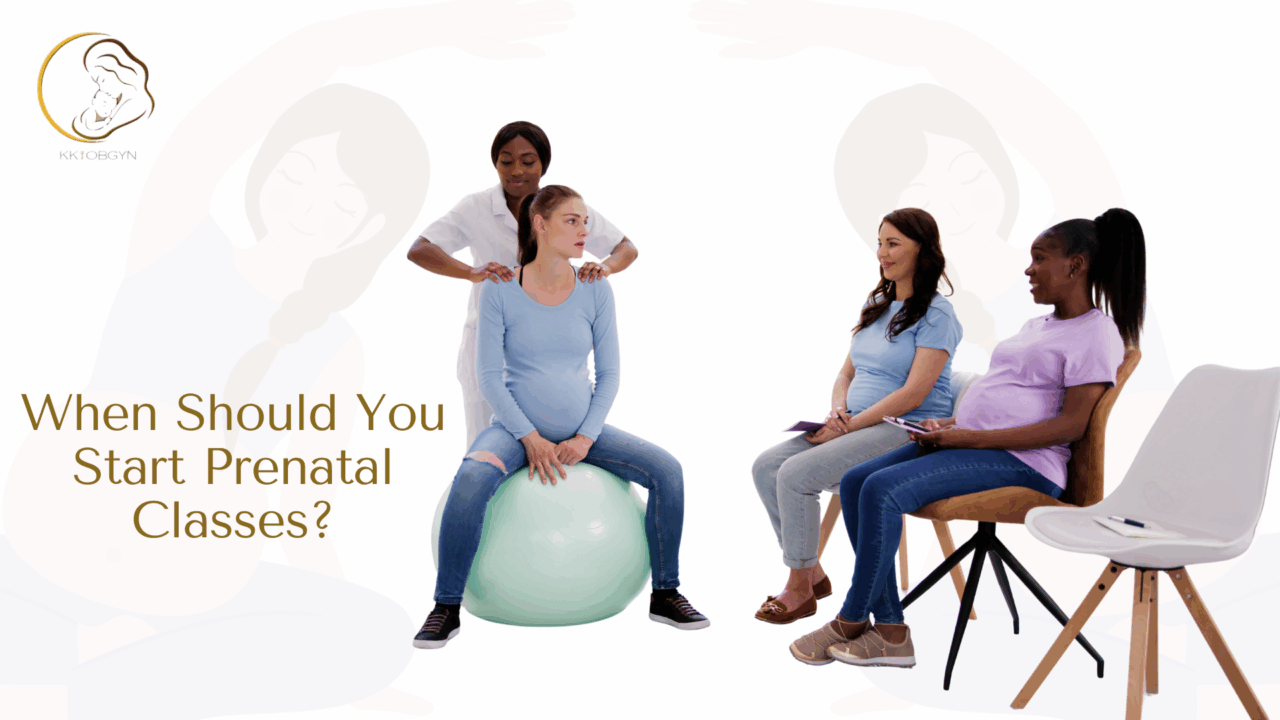
When to Start Prenatal Classes: A Complete Guide for Expecting Parents
Prenatal classes are an invaluable resource for expecting parents, offering education, support, and preparation for childbirth and early parenthood. But many wonder: When is the best time to start prenatal classes? This guide will explore the ideal timing, types of classes available, benefits, what to expect, and tips for getting the most from these sessions.
What Are Prenatal Classes?
Prenatal classes are structured educational programs designed to prepare pregnant individuals and their partners for labor, delivery, breastfeeding, newborn care, and the postpartum period. They provide information, practical skills, and emotional support through interactive sessions led by healthcare professionals, doulas, or childbirth educators.
Why Take Prenatal Classes?
| Benefit | Explanation |
|---|---|
| Increase Knowledge | Understand pregnancy, labor stages, pain management, and newborn care. |
| Build Confidence | Feel more prepared and less anxious about childbirth and parenting. |
| Learn Practical Skills | Breathing techniques, breastfeeding, newborn care, and infant CPR. |
| Connect with Others | Meet other parents-to-be, share experiences, and build support networks. |
| Partner Involvement | Encourage partners to actively participate in the birth and care process. |
When Is the Best Time to Start Prenatal Classes?
Recommended Timing: Between 20 and 30 Weeks of Pregnancy
- Why start mid-pregnancy?
- Most women have passed the first trimester, reducing risks of early miscarriage and pregnancy complications.
- There is still ample time to absorb information, practice skills, and ask questions.
- Early enough to apply lifestyle advice and make informed decisions.
- Too Early?
- Starting before 16 weeks may be less practical as pregnancy symptoms can make attending difficult, and some content may not yet be relevant.
- Early classes may also have fewer participants due to pregnancy uncertainty.
- Too Late?
- Starting after 34 weeks leaves limited time to learn and prepare fully before labor.
- You might feel rushed and miss out on the opportunity to practice skills.
Different Types of Prenatal Classes
| Class Type | Focus Areas | Who It’s For |
|---|---|---|
| Childbirth Education Classes | Labor stages, pain management, birth options | All expecting parents |
| Breastfeeding Classes | Latching techniques, milk supply, troubleshooting | Moms planning to breastfeed |
| Parenting/Newborn Care Classes | Diapering, bathing, soothing, infant CPR | First-time parents or those wanting a refresher |
| Partner or Daddy Classes | How partners can support during labor and beyond | Partners and support persons |
| Specialized Classes | VBAC (Vaginal Birth After Cesarean), multiples, high-risk pregnancies | Parents with specific needs |
What Will You Learn in Prenatal Classes?
- Understanding Pregnancy and Labor
- Signs of labor
- Stages of labor and delivery
- Medical interventions and choices
- Pain Relief Options
- Breathing and relaxation techniques
- Medications and epidurals
- Natural pain management strategies
- Birth Plans and Hospital Procedures
- Creating a birth plan
- What to expect at the hospital or birthing center
- Breastfeeding Basics
- Positioning and latch
- Managing challenges
- Newborn Care
- Bathing and diapering
- Soothing techniques
- Recognizing illness signs
- Postpartum Care
- Physical recovery
- Emotional changes
- Family adjustment
How to Choose the Right Prenatal Class
| Consideration | Tips |
|---|---|
| Class Format | In-person, online, or hybrid depending on comfort and availability. |
| Class Size | Smaller classes offer more personal attention; larger ones provide more group interaction. |
| Instructor Qualifications | Look for certified childbirth educators, lactation consultants, or healthcare providers. |
| Content | Choose classes covering your interests and needs. |
| Schedule and Location | Find classes that fit your timetable and are easily accessible. |
| Cost and Insurance Coverage | Check if your medical aid or insurance covers the classes. |
Preparing for Your Prenatal Classes
- Bring a notebook and pen for notes.
- Prepare a list of questions or concerns you want to discuss.
- Attend with your partner or support person if possible.
- Dress comfortably and stay hydrated.
Table: Prenatal Class Timeline and Focus Areas
| Pregnancy Weeks | Focus of Classes | Recommended Activities |
|---|---|---|
| 16-20 weeks | Early pregnancy basics, healthy lifestyle | Start gentle exercise, nutrition adjustments |
| 20-30 weeks | Childbirth education, pain management | Attend core prenatal classes |
| 28-34 weeks | Breastfeeding and newborn care | Take breastfeeding and newborn care classes |
| 34-38 weeks | Birth plan finalization, hospital prep | Pack hospital bag, visit birthing facility |
| 38+ weeks | Refresher courses, emotional support | Practice relaxation, prepare for labor |
Additional Benefits of Prenatal Classes
- Reduce Fear and Anxiety: Knowledge empowers you and diminishes fears about the unknown.
- Better Birth Outcomes: Women who attend prenatal education are more likely to have positive birth experiences and use effective coping strategies.
- Stronger Family Bonds: Partners who participate feel more involved and prepared to support.
- Networking: Connecting with other parents-to-be builds a community of support.
Frequently Asked Questions About Prenatal Classes
Q: What if I miss a class?
A: Many classes offer makeup sessions or online resources to catch up.
Q: Can I attend alone if my partner can’t come?
A: Absolutely! While partner involvement is encouraged, attending solo is completely fine.
Q: Are prenatal classes necessary for all pregnancies?
A: While not mandatory, prenatal classes are highly recommended for all, especially first-time parents.
Q: How much do prenatal classes cost?
A: Costs vary from free public health offerings to private classes costing several hundred rand; some are covered by medical aid.
Final Thoughts
Starting prenatal classes between 20 and 30 weeks gives you the perfect window to absorb vital information, practice skills, and prepare emotionally and practically for childbirth and parenting. These classes empower you with knowledge, reduce anxiety, and build confidence for one of life’s most transformative experiences.
Remember, prenatal education is an investment in your and your baby’s health and wellbeing. Take the step to enroll early, involve your support system, and embrace this opportunity to learn and grow.
Deciding when to start prenatal classes is an important part of your pregnancy preparation. Most expecting parents benefit from enrolling in prenatal classes between weeks 24-28 of pregnancy, allowing sufficient time to learn essential skills before labor. Starting prenatal classes early gives you and your partner opportunity to bond over shared learning, ask questions, and build confidence for childbirth. At Dr KY Kakudji INC in Randfontein, we recommend discussing the ideal timing for prenatal classes during your antenatal clinic visits to ensure you're fully prepared for this transformative journey.
Related reading: pregnancy journey
Related reading: compassionate delivery support
When to start prenatal classes is one of the most important decisions expecting parents make. The ideal time to start prenatal classes is between 20 and 30 weeks of pregnancy, when you've passed the first trimester and have ample time to absorb information before labor. Starting when to take prenatal classes at this stage allows you to learn practical skills, understand pain management options, and build confidence—all without feeling rushed. Whether you're considering when to start prenatal classes for the first time or you're a returning parent, Dr KY Kakudji at Lenmed Randfontein recommends consulting with your healthcare provider about the best timing for your specific pregnancy journey.
Deciding when to start prenatal classes is a crucial step in your pregnancy journey. Most healthcare professionals recommend when to start prenatal classes between 20 and 30 weeks of pregnancy—a timeframe that balances practical preparation with sufficient time to absorb essential information. Starting when to start prenatal classes during this window ensures you've passed first-trimester risks, allows ample time to practice skills, and gives you flexibility to apply lifestyle advice. Whether you're a first-time parent or expecting again, beginning prenatal education at the right time helps you feel confident, supported, and fully prepared for labor, delivery, and early parenthood with your trusted OBGYN.
Related reading: preparing for parenthood