

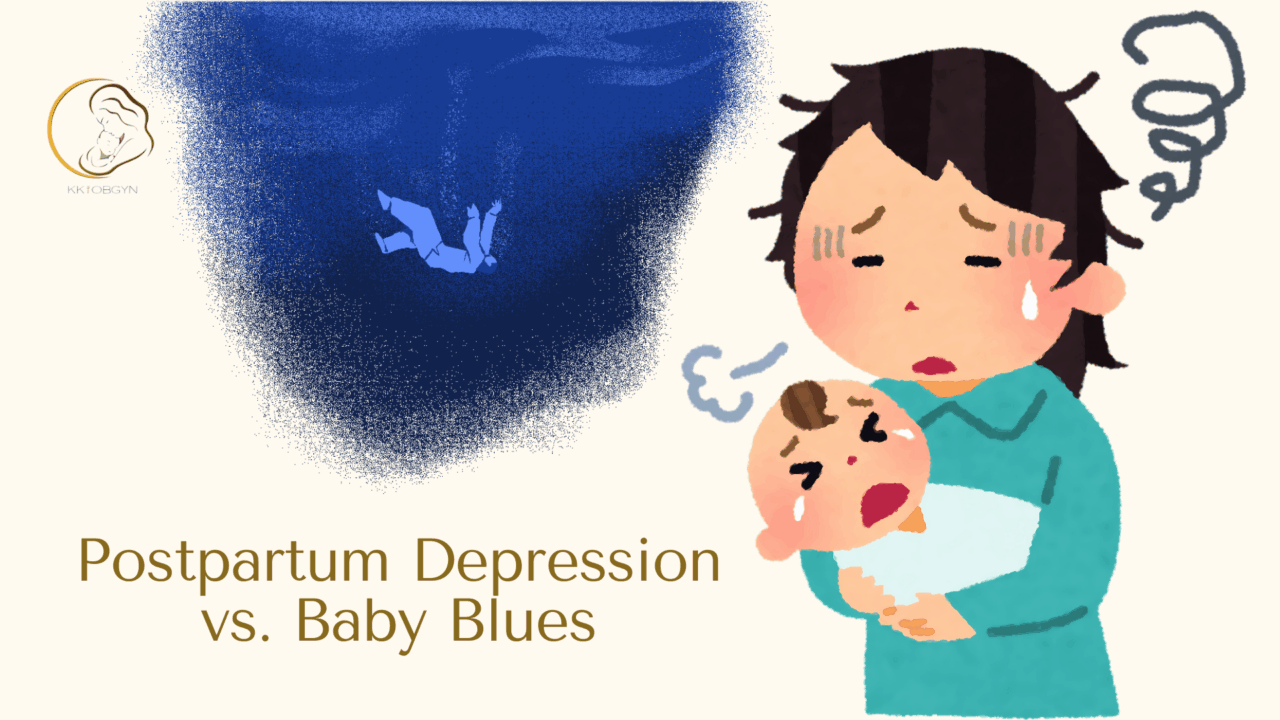
Postpartum Depression vs Baby Blues: Know the Difference
The period following childbirth is a time of immense change, physically, emotionally, and mentally. Many new mothers experience mood fluctuations, but it’s important to understand the difference between baby blues and postpartum depression (PPD) to ensure timely support and care.
This blog explores the signs, symptoms, causes, and treatments of both conditions, helping you know when to seek help.
What Are Baby Blues?
Baby blues are a common, temporary emotional state that affects up to 80% of new mothers in the first week or two after delivery.
Symptoms include:
- Mood swings
- Tearfulness
- Irritability
- Anxiety
- Feeling overwhelmed or restless
These feelings usually peak around day 4 or 5 postpartum and generally resolve on their own within two weeks.
What Is Postpartum Depression?
Postpartum depression is a more severe and longer-lasting condition affecting about 10-15% of new mothers. It can develop anytime within the first year after childbirth.
Symptoms of PPD include:
- Persistent sadness or hopelessness
- Loss of interest in activities
- Fatigue or low energy
- Difficulty bonding with the baby
- Changes in appetite or sleep patterns
- Feelings of worthlessness or guilt
- Thoughts of harming oneself or the baby (in severe cases)
Causes and Risk Factors
| Factor | Baby Blues | Postpartum Depression |
|---|---|---|
| Hormonal changes | Rapid drop in estrogen and progesterone | More complex interaction with brain chemistry |
| Stress | Adjustment to motherhood | Prolonged stress, previous mental health issues |
| Sleep deprivation | Common but temporary | Chronic and severe |
| Personal/family history | Less common | More common |
| Social support | Usually sufficient | Often inadequate |
When to Seek Help
Seek professional help if you:
- Feel symptoms last longer than two weeks
- Have thoughts of self-harm or harming your baby
- Experience inability to care for yourself or your baby
- Notice withdrawal from friends or family
Early intervention improves recovery and outcomes.
Treatment Options
- Counseling or therapy: Cognitive-behavioral therapy (CBT) is effective.
- Support groups: Sharing experiences can provide relief and advice.
- Medication: Antidepressants can be safe during breastfeeding, under medical supervision.
- Self-care: Regular rest, nutrition, gentle exercise, and support from loved ones.
How Family and Partners Can Help
- Encourage open conversations about feelings.
- Assist with baby care and household chores.
- Recognize warning signs and support seeking professional help.
- Provide reassurance and reduce stigma.
Summary Table: Baby Blues vs. Postpartum Depression
| Aspect | Baby Blues | Postpartum Depression |
|---|---|---|
| Onset | Within first few days postpartum | Within 4 weeks to 1 year postpartum |
| Duration | Less than 2 weeks | Several weeks to months |
| Severity | Mild, temporary | Moderate to severe |
| Impact on functioning | Minimal | Significant |
| Need for treatment | Usually not necessary | Often requires intervention |
Conclusion
Mood changes after childbirth are common, but knowing the difference between baby blues and postpartum depression is vital. If you or someone you know is struggling, don’t hesitate to reach out for support. With help, recovery is possible, and motherhood can be joyful and fulfilling.
The postpartum period brings significant physical and emotional changes for new mothers. While postpartum depression vs baby blues may seem similar, understanding the key differences is crucial for timely care. Baby blues affect up to 80% of mothers in the first two weeks after delivery, featuring temporary mood swings and tearfulness. Postpartum depression, however, is a serious medical condition requiring professional intervention. At Dr KY Kakudji's practice in Randfontein, we provide compassionate postnatal support and specialized treatment to help mothers navigate postpartum depression and achieve emotional wellness.
Related reading: postnatal support and care
What Are Baby Blues? Symptoms & Timeline
Related reading: importance of knowing your body
Understanding postpartum depression vs baby blues is essential for new mothers and their families. While both conditions affect emotional wellbeing after childbirth, postpartum depression vs baby blues differ significantly in severity, duration, and treatment needs. Baby blues are temporary mood changes affecting up to 80% of mothers, typically resolving within two weeks. Postpartum depression, however, is a serious medical condition that impacts 10-15% of new mothers and requires professional intervention. At Dr KY Kakudji's practice in Randfontein, we provide compassionate assessment and specialized postnatal support to help you navigate these changes and achieve emotional wellness during this transformative time.
Understanding the difference between postpartum depression vs baby blues is essential for new mothers and their support systems. While both conditions affect emotional wellbeing after childbirth, postpartum depression vs baby blues differ significantly in severity, duration, and treatment needs. Baby blues are temporary mood changes affecting up to 80% of mothers, whereas postpartum depression is a serious medical condition requiring professional intervention. Recognizing whether you're experiencing postpartum depression vs baby blues helps ensure timely care and recovery. At Dr KY Kakudji's practice in Randfontein, we provide compassionate postnatal support to help mothers navigate these challenging postpartum periods.
Related reading: pregnancy journey support
Related reading: emotional health matters
Postpartum Depression: Recognizing Severe Symptoms
Related reading: choosing your health