

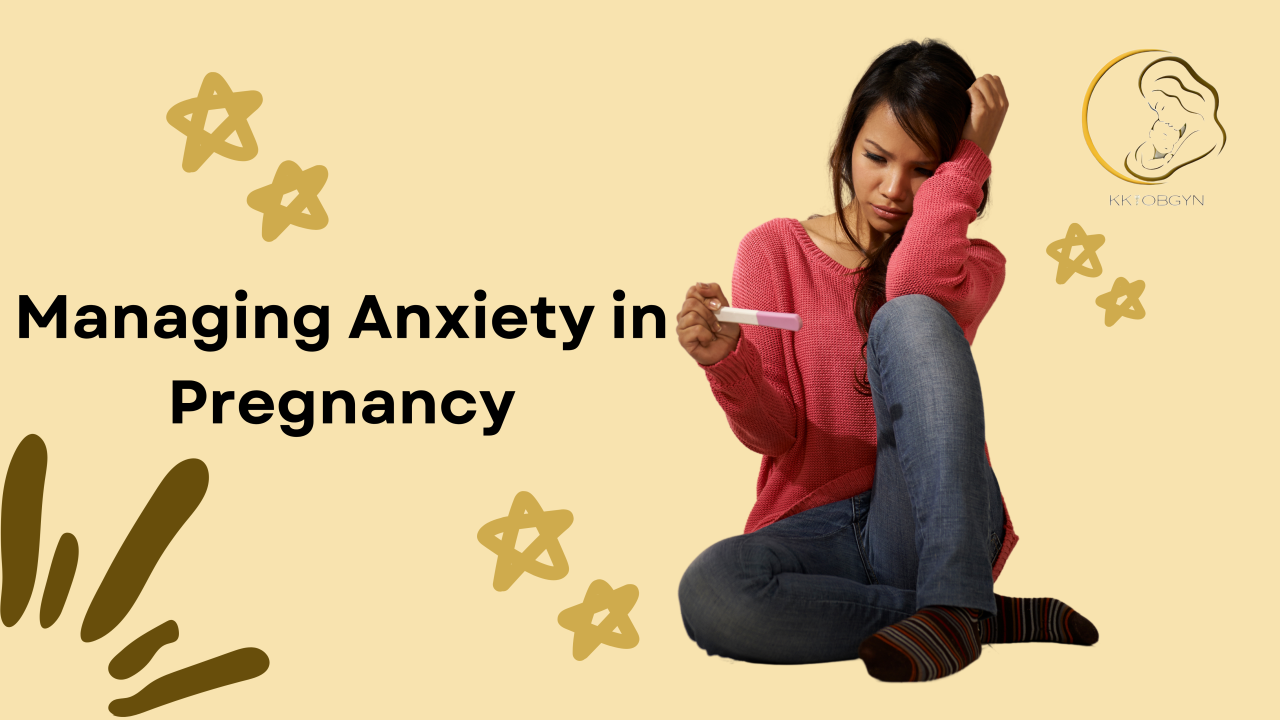
Managing Anxiety in Pregnancy: Expert Strategies for Expectant Mothers
Introduction
Pregnancy is often depicted as a time of joy and anticipation, but for many women, it can also be a period filled with anxiety and uncertainty. The physical and emotional changes, along with The impending responsibility of parenthood, can create a complex landscape of feelings. Managing anxiety during pregnancy is crucial not only for the well-being of the mother but also for the health of the developing baby. In this blog, we’ll explore the sources of anxiety, its effects on pregnancy, and practical strategies for managing it effectively.
Understanding Anxiety in Pregnancy
Anxiety during pregnancy is common, affecting many women to varying degrees. It can manifest as feelings of worry, fear, or dread about pregnancy, childbirth, and parenting. It’s important to differentiate between normal pregnancy-related anxiety and more severe conditions like generalized anxiety disorder (GAD) or panic disorder.
Common Triggers of Anxiety in Pregnancy
- Physical Changes: The body undergoes significant transformations during pregnancy. Rapid changes can lead to feelings of insecurity about body image and health, triggering anxiety.
- Hormonal Fluctuations: Hormones such as estrogen and progesterone fluctuate dramatically during pregnancy, impacting mood and emotions. These hormonal changes can exacerbate feelings of anxiety.
- Fear of Labor and Delivery: The unknown aspects of childbirth, including pain, complications, and the hospital experience, can be sources of significant anxiety for many expectant mothers.
- Health Concerns: Worrying about the health of the baby and potential pregnancy complications can create constant stress and anxiety. This is particularly prevalent among women with previous pregnancy losses or health issues.
- Changing Relationships: Pregnancy can shift dynamics within relationships, including with partners, family, and friends. Navigating these changes can lead to feelings of isolation or fear about support systems.
- Financial and Work Concerns: The prospect of financial strain due to new expenses associated with a baby can heighten anxiety. Additionally, worries about job security and maternity leave can contribute to stress.
- Social Pressures: Societal expectations about pregnancy, parenting, and returning to work can create immense pressure, further fueling anxiety.
Effects of Anxiety on Pregnancy
Anxiety during pregnancy is not merely a mental health concern; it can also have physical implications. Research suggests that high levels of maternal anxiety can lead to:
- Premature Birth: Increased anxiety may be linked to preterm labor, which can pose risks for both the mother and the baby.
- Low Birth Weight: Elevated stress and anxiety levels during pregnancy can impact fetal growth, leading to low birth weight.
- Postpartum Depression: Women who experience anxiety during pregnancy are at a higher risk of developing postpartum depression, affecting their ability to bond with their newborn.
- Impact on Child Development: Studies indicate that maternal anxiety may affect a child’s emotional and behavioral development, potentially leading to anxiety issues later in life.
Strategies for Managing Anxiety in Pregnancy
Managing anxiety during pregnancy involves a multifaceted approach that addresses both mental and physical well-being. Here are several effective strategies to consider:
- Open Communication: Discussing feelings of anxiety with a partner, family members, or friends can provide emotional support. Sharing concerns can help normalize feelings and reduce isolation. Don’t hesitate to reach out to healthcare providers, who can offer reassurance and guidance.
- Education and Preparation: Knowledge can be empowering. Attend prenatal classes to learn about pregnancy, childbirth, and parenting. Familiarizing yourself with what to expect can alleviate fear of the unknown. Reading books, attending workshops, and talking to experienced parents can also provide valuable insights.
- Mindfulness and Relaxation Techniques: Practicing mindfulness, meditation, or yoga can help ground and center expectant mothers. These techniques encourage relaxation and reduce stress, promoting a sense of calm. Guided meditations specifically designed for pregnancy can be beneficial.
- Physical Activity: Engaging in regular, moderate exercise has been shown to reduce anxiety and improve mood. Activities such as walking, swimming, or prenatal yoga can enhance physical and mental well-being. Exercise releases endorphins, which can alleviate stress and promote a sense of happiness.
- Balanced Nutrition: A healthy diet can have a significant impact on mood and anxiety levels. Focus on consuming a well-balanced diet rich in fruits, vegetables, whole grains, lean proteins, and healthy fats. Foods rich in omega-3 fatty acids, such as salmon and walnuts, are known to support brain health and may help reduce anxiety.
- Limit Caffeine and Sugar: Both caffeine and sugar can exacerbate anxiety symptoms. Limiting these substances may help stabilize mood and energy levels. Opt for herbal teas and balanced snacks instead.
- Seek Professional Help: If anxiety becomes overwhelming, consider seeking help from a mental health professional. Therapists who specialize in perinatal mental health can provide coping strategies and support tailored to the unique challenges of pregnancy. Cognitive-behavioral therapy (CBT) has been shown to be effective in managing anxiety.
- Support Groups: Joining a pregnancy support group can provide a safe space to share experiences and feelings. Connecting with others who are going through similar challenges can foster a sense of community and support.
- Develop a Birth Plan: Having a birth plan can provide a sense of control and preparedness. Outline preferences for labor and delivery, but remain flexible, as childbirth can be unpredictable. Discuss your plan with your healthcare provider to ensure it aligns with medical advice.
- Practice Self-Care: Make time for self-care activities that bring joy and relaxation. This could include reading, taking warm baths, engaging in creative hobbies, or spending time in nature. Prioritizing self-care helps replenish energy and mental clarity.
When to Seek Help
While experiencing some anxiety during pregnancy is normal, it’s crucial to be mindful of the severity and duration of symptoms. If feelings of anxiety become overwhelming, persistent, or interfere with daily functioning, seeking help from a healthcare provider or mental health professional is essential. They can assess for underlying conditions and recommend appropriate interventions.
Conclusion
Managing anxiety during pregnancy is vital for both maternal and fetal well-being. By understanding the sources of anxiety and employing effective coping strategies, expectant mothers can cultivate a more positive pregnancy experience. Open communication, education, mindfulness, and self-care are essential components of this journey. Remember, it’s okay to seek support and prioritize mental health as you navigate the joys and challenges of bringing new life into the world.
Anxiety in pregnancy is a common experience affecting many women across all stages of gestation. While anxiety in pregnancy can feel overwhelming, understanding its triggers and learning evidence-based management techniques helps protect both your mental wellbeing and your baby's development. At Dr KY Kakudji's practice in Randfontein, we recognize that anxiety in pregnancy requires compassionate, professional care. Our antenatal clinics combine expert medical support with emotional guidance, helping expectant mothers navigate pregnancy with confidence and peace of mind.
Anxiety in pregnancy is a common experience affecting many expectant mothers, but it doesn't have to control your journey. Managing anxiety during pregnancy involves understanding its sources and implementing evidence-based coping strategies that benefit both you and your developing baby. At Dr KY Kakudji's practice in Randfontein, we recognize that anxiety in pregnancy can impact physical health and fetal development, which is why professional support matters. Our compassionate approach combines counseling, practical wellness techniques, and ongoing antenatal care to help you navigate this transformative period with confidence and peace of mind.