

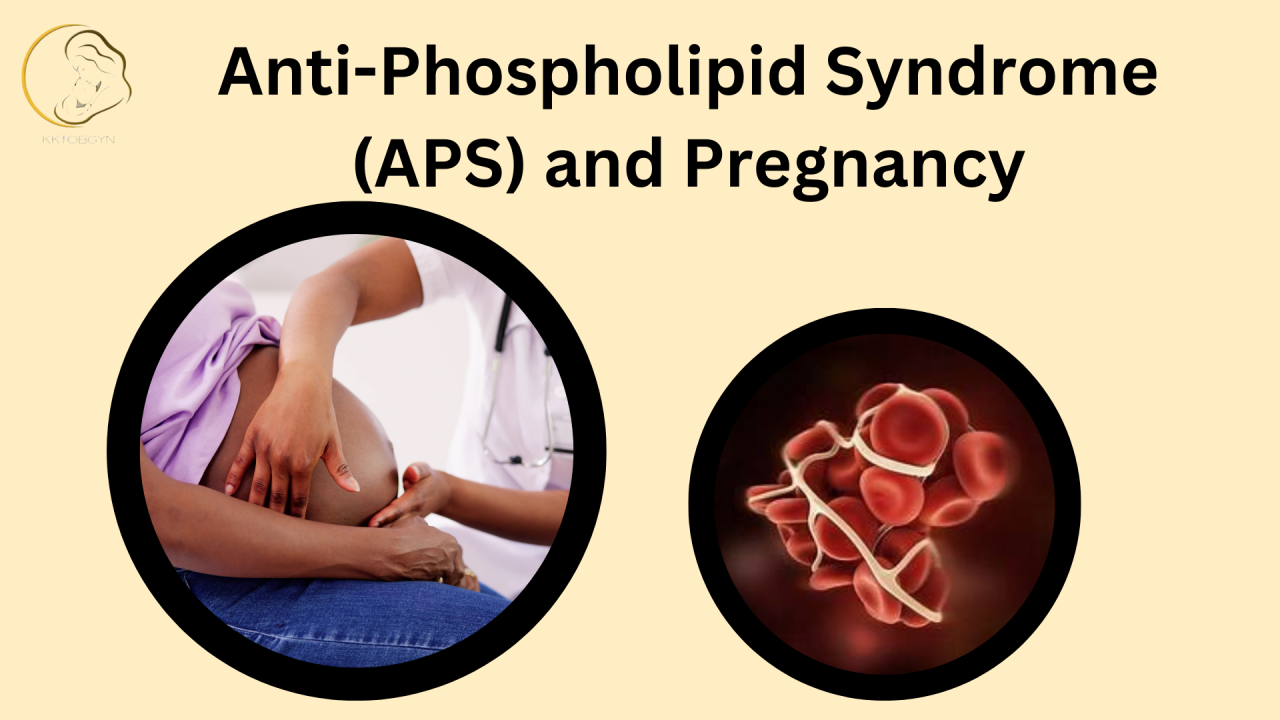
Anti-Phospholipid Syndrome and Pregnancy: Protecting Your Baby From Thrombosis and Miscarriage
Understanding Anti-Phospholipid Syndrome (APS)
Anti-Phospholipid Syndrome (APS) is an autoimmune disorder characterized by the presence of Antiphospholipid antibodies in the blood, which increase the risk of blood clots. APS can be primary, occurring on its own, or secondary, associated with other autoimmune conditions like systemic lupus erythematosus (SLE). The syndrome is associated with various complications, particularly during pregnancy, including miscarriage, preeclampsia, and intrauterine growth restriction.
Causes and Risk Factors
The exact cause of APS is not fully understood, but it involves the production of antibodies that target phospholipids—molecules important for blood clotting and cell function. Risk factors include:
- Genetic Predisposition: There may be a genetic component, as APS sometimes occurs in families.
- Autoimmune Diseases: APS is often associated with other autoimmune conditions, such as lupus.
- Infections and Medications: Certain infections and medications may trigger or exacerbate APS.
Signs and Symptoms
In addition to the risk of thrombosis and miscarriage, APS can present with a range of symptoms, including:
- Recurrent Miscarriages: Especially in the first trimester, often unexplained by other causes.
- Deep Vein Thrombosis (DVT): Pain, swelling, and redness in the legs.
- Pulmonary Embolism (PE): Shortness of breath and chest pain.
- Stroke: Neurological symptoms like sudden numbness or weakness.
During pregnancy, APS increases the risk of various complications:
- Miscarriage: Particularly in the first and second trimesters.
- Preterm Birth: Often due to complications such as preeclampsia or placental abruption.
- Intrauterine Growth Restriction (IUGR): The baby may not grow as expected, leading to a smaller than normal birth weight.
Diagnosis of APS in Pregnancy
Diagnosing APS involves identifying the presence of antiphospholipid antibodies in the blood and assessing for associated symptoms:
- Laboratory Tests: Blood tests to detect antiphospholipid antibodies, including:
- Anti-cardiolipin antibodies (aCL)
- Anti-beta2 glycoprotein I antibodies (aβ2GPI)
- Lupus anticoagulant (LA)
These tests need to be repeated at least 12 weeks apart to confirm a diagnosis, as transient positive results can occur due to infections or other factors.
- Clinical Criteria: Diagnosis is typically made if there are one or more clinical events (such as thrombosis or pregnancy complications) along with the presence of antiphospholipid antibodies.
Management and Treatment Options
Managing APS during pregnancy involves preventing clot formation and addressing complications:
- Anticoagulation Therapy: The cornerstone of APS management during pregnancy is anticoagulation to prevent blood clots. Treatment options include:
- Low-Dose Aspirin: Often recommended to reduce the risk of clotting and complications in pregnancy.
- Heparin: Low molecular weight heparin (LMWH) is commonly used because it does not cross the placenta and has a good safety profile for the fetus.
- Monitoring and Surveillance: Regular monitoring is crucial to assess for potential complications:
- Ultrasound: To monitor fetal growth and detect issues like intrauterine growth restriction (IUGR) or placental problems.
- Blood Pressure Monitoring: To detect signs of preeclampsia or gestational hypertension.
- Delivery Planning: Delivery plans may need to be adjusted based on the mother’s and baby’s condition:
- Timing of Delivery: Planned delivery may be necessary if there are signs of worsening complications, such as preeclampsia or severe IUGR.
- Mode of Delivery: A cesarean section may be recommended if the risks of vaginal delivery outweigh the benefits.
Prognosis and Outcomes
With appropriate management, the prognosis for women with APS can be significantly improved. Treatment with anticoagulants and careful monitoring can reduce the risk of complications and improve pregnancy outcomes. However, the risk of recurrence of complications remains, and ongoing care is essential.
Emotional and Psychological Impact
The stress of managing a high-risk pregnancy with APS can be significant. Women may experience anxiety and fear about their health and the health of their baby. Providing emotional support and counseling, as well as connecting women with support groups or other resources, can help in coping with the stress and uncertainties associated with APS.
Long-Term Management
After delivery, women with APS may need continued management and follow-up:
- Postpartum Anticoagulation: Continuation of anticoagulant therapy postpartum may be necessary to prevent clotting events.
- Future Pregnancies: Women with APS should receive preconception counseling and careful monitoring in any future pregnancies.
- Ongoing Care: Regular follow-up with a specialist in rheumatology or hematology to manage APS and monitor for any long-term effects or complications.
Conclusion: Navigating the Challenges of APS in Pregnancy
Anti-Phospholipid Syndrome poses significant risks during pregnancy but with timely diagnosis and comprehensive management, many women with APS can have successful pregnancies. Awareness, careful monitoring, and effective treatment strategies are essential for optimizing outcomes for both mother and baby. By understanding and addressing the unique challenges of APS, healthcare providers can better support women through their pregnancies and beyond.
Anti-Phospholipid Syndrome (APS) is an autoimmune disorder that significantly complicates pregnancy by increasing the risk of thrombosis and miscarriage. Women with Anti-Phospholipid Syndrome pregnancy face heightened dangers of blood clots, recurrent pregnancy loss, and placental complications. However, with proper diagnosis through blood tests and early intervention using anticoagulation therapy—typically low-dose aspirin and heparin—outcomes improve dramatically. At Dr KY Kakudji's clinic in Randfontein, we specialize in managing Anti-Phospholipid Syndrome pregnancy with careful monitoring, regular ultrasounds, and individualized treatment plans that prioritize both maternal and fetal health.