

From Mystery to Mastery: Understanding Ovulation and Your Fertility Window
Individuals and couples seeking to get pregnant need to understand their reproductive window and ovulation. You can increase your chances of becoming pregnant by being aware of when you are most fertile. The definition of ovulation, tracking your reproductive window, and the many ovulation detection techniques are all covered in this article.
Ovulation: What Is It?
Ovulation is a natural biological process that occurs in women of reproductive age. It is an essential part of the menstrual cycle and plays a crucial role in fertility. During ovulation, a mature egg is released from one of the ovaries and travels down the fallopian tube, where it can potentially be fertilized by sperm.
The timing of ovulation varies from woman to woman and can also vary from cycle to cycle. In a typical 28-day menstrual cycle, ovulation usually occurs around day 14. However, this can be influenced by various factors, such as the length of your menstrual cycle and hormonal fluctuations.
Understanding your ovulation and fertility window is essential for couples trying to conceive. Your fertility window—the days when ovulation and conception are most likely—typically spans 5-6 days before and during ovulation. By learning to recognize ovulation patterns and tracking your ovulation and fertility window accurately, you can dramatically improve your chances of pregnancy. At Dr KY Kakudji's practice in Randfontein, we help patients master ovulation tracking through evidence-based counseling, pre-conception planning, and personalized fertility guidance to maximize your reproductive success.
Understanding your ovulation and fertility window is essential for couples trying to conceive. Your fertility window—the days when ovulation and conception are most likely—typically spans 5-6 days before and during ovulation. By learning to recognize ovulation patterns and tracking your ovulation and fertility window accurately, you can dramatically improve your chances of pregnancy. At Dr KY Kakudji's practice in Randfontein, we help patients master ovulation tracking through evidence-based counseling, pre-conception planning, and personalized fertility guidance to maximize your reproductive success.
Understanding your ovulation and fertility window is essential for couples trying to conceive. Your fertility window—the days when ovulation and conception are most likely—typically spans 5-6 days before and during ovulation. By learning to recognize ovulation patterns and tracking your ovulation and fertility window accurately, you can dramatically improve your chances of pregnancy. At Dr KY Kakudji's practice in Randfontein, we help patients master ovulation tracking through evidence-based counseling, pre-conception planning, and personalized fertility guidance.
The process of ovulation is regulated by hormones, primarily follicle-stimulating hormone (FSH) and luteinizing hormone (LH), which are produced by the pituitary gland in the brain. At the beginning of your menstrual cycle, FSH stimulates the growth and development of several follicles in the ovaries. Each follicle contains an immature egg. As the cycle progresses, one dominant follicle emerges and continues to grow, while the others degenerate.
When the levels of LH surge, usually about 24 to 36 hours before ovulation, it triggers the release of the mature egg from the dominant follicle. The egg is then swept into the fallopian tube, where it stays for about 24 hours. If sperm is present in the fallopian tube during this time and fertilizes the egg, conception can occur. If fertilization does not occur, the unfertilized egg will disintegrate and be expelled with the uterine lining during menstruation.
Understanding Your Fertility Window

Couples hoping to get pregnant must understand their reproductive window. The term “fertility window” describes the time of your menstrual cycle when your chances of becoming pregnant are at their highest. It includes the days preceding ovulation as well as the actual day of ovulation.
The longevity of both sperm and eggs must be understood in order to calculate your fertile window. Sperm can survive in the female reproductive system for up to 5 days, whereas an egg is only viable for about 24 hours following ovulation. This indicates that the viable window is longer a few days prior to ovulation, opening the door to conception.
Tracking Your Fertility Window
You must monitor your menstrual cycle and have a general idea of when you are likely to ovulate in order to determine your fertility window. The 14th day of a typical 28-day cycle is when ovulation normally happens. It’s crucial to remember that cycles can differ in length and that ovulation might happen sooner or later depending on a variety of individual factors. The following are some of the most common and widely used methods for tracking your fertility window:
Calendar Approach
Using a calendar, you can chart your menstrual cycle over a number of months to look for patterns and predict when you’ll ovulate. This approach is predicated on the idea that ovulation happens at around the same time each cycle. You can determine the approximate days of your reproductive window by keeping track of the beginning and ending dates of your cycles.
Basal Body Temperature (BBT) Method
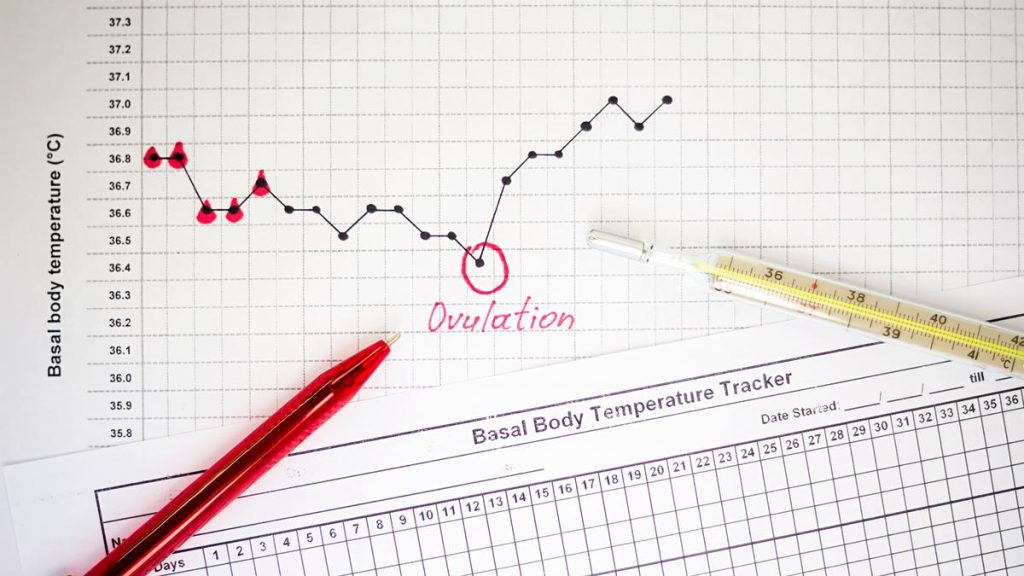
Monitoring variations in your basal body temperature (BBT) is one of the most accurate ways to anticipate ovulation and determine your fertile window. The body’s basal body temperature (BBT) tends to rise a little after ovulation as a result of elevated progesterone levels. You might spot a pattern by monitoring your BBT over multiple cycles that tells you when ovulation is most likely to happen.
Cervical Mucus Method
Monitoring changes in cervical mucus is an additional strategy. Your cervical mucus changes as ovulation approaches, becoming more elastic, transparent, and slippery, similar to the texture of raw egg whites. This kind of mucus makes it easier for sperm to move around and survive, which increases the likelihood of fertilization.
Ovulation Predictor Kits (OPKs)
Ovulation predictor kits (OPKs) are another well-liked instrument for figuring out your fertile window. The luteinizing hormone (LH) surge that takes place 24 to 36 hours prior to ovulation is picked up by these kits. An OPK test of your urine allows you to detect the LH surge and forecast when ovulation will occur.
Fertility Tracking Apps
Couples who are trying to get pregnant or who want to understand their menstrual cycles better are using fertility-tracking apps more and more frequently. These applications are made to assist users in keeping track of and monitoring a variety of fertility indicators, including basal body temperature, cervical mucus, ovulation forecasts, and more. It is simpler to recognize fertility patterns and forecast ovulation because of their efficient and user-friendly data collection, analysis, and storage methods.
It’s crucial to keep in mind that these techniques are not perfect and that unique variants can emerge. The timing of ovulation can be impacted by elements like stress, illness, or hormone imbalances.
To better understand your individual fertility pattern, it is preferable to combine various techniques and continuously follow your menstrual cycle.
Knowing your fertility window will help you time your sexual activity to take place on the days when you are most likely to become pregnant. Knowing your fertility window will help you use effective contraception at that period if you want to prevent getting pregnant.
Conclusion
Knowing your reproductive window and ovulation is one of the most crucial milestones on the path to parenthood. Knowing the signs and methods for tracking ovulation can help you improve your chances of getting pregnant and take control of your reproductive health. Remember to consult your healthcare provider for particular guidance and support.
You can make informed decisions regarding your reproductive health if you are aware of your ovulation cycle and your fertility window. Whether you’re j犀利士 ust starting out or have been trying for a long, I wish you the best of luck on your parenting journey. Never forget that there is hope and that you are not traveling this journey alone. Keep in mind to speak with your healthcare practitioner for specific advice and assistance.
Although trying to conceive can be emotionally taxing, you can traverse this journey with confidence by arming yourself with knowledge and making use of the different treatments that are available. Always put your overall health first, and when necessary, ask for help from family members and medical professionals.