

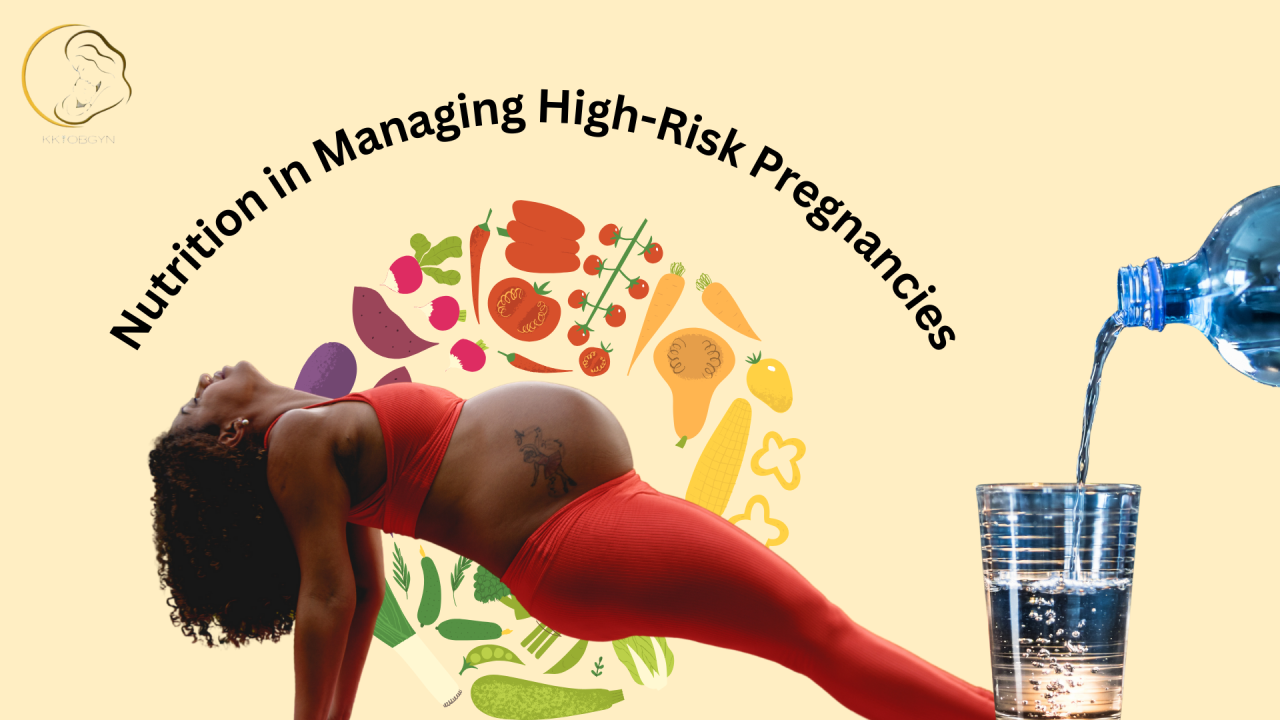
High-Risk Pregnancy Nutrition: Essential Nutrients & Dietary Guidelines
Introduction to Nutrition in High-Risk Pregnancies
Nutrition plays a crucial role in ensuring the health of both the mother and the fetus during pregnancy. In high-risk pregnancies—where complications or pre-existing conditions place both mother and baby at greater risk—dietary management becomes even more critical. Proper nutrition helps manage complications, supports fetal development, and contributes to a successful pregnancy outcome.
Key Nutrients for High-Risk Pregnancies
- Folic Acid:
- Importance: Essential for the formation of red blood cells and DNA synthesis. Crucial for preventing neural tube defects in the fetus.
- Sources: Leafy green vegetables, fortified cereals, legumes, and citrus fruits.
- Recommended Intake: At least 600-800 mcg per day during pregnancy. Women with certain conditions, such as diabetes or a history of neural tube defects, may require higher doses.
- Iron:
- Importance: Vital for the production of hemoglobin, which carries oxygen to the fetus. Prevents anemia, which can lead to preterm birth and low birth weight.
- Sources: Red meat, poultry, fish, lentils, and fortified cereals.
- Recommended Intake: 27 mg per day. Additional iron supplements may be needed if blood tests indicate low levels.
- Calcium:
- Importance: Necessary for the development of the baby’s bones and teeth, as well as for maintaining maternal bone health.
- Sources: Dairy products, fortified plant-based milk, leafy green vegetables, and almonds.
- Recommended Intake: 1,000 mg per day for pregnant women. Women under 18 or over 50 may need 1,300 mg per day.
- Vitamin D:
- Importance: Supports calcium absorption and bone health. Plays a role in immune function and cell growth.
- Sources: Sunlight exposure, fortified milk, fatty fish, and egg yolks.
- Recommended Intake: 600-800 IU per day. Higher doses may be needed based on blood levels and individual needs.
- Omega-3 Fatty Acids:
- Importance: Essential for brain development and reducing the risk of preterm birth. Also supports maternal heart health.
- Sources: Fatty fish (such as salmon), flaxseeds, chia seeds, and walnuts.
- Recommended Intake: At least 200-300 mg of DHA per day. Fish oil supplements can be considered if dietary intake is insufficient.
- Protein:
- Importance: Crucial for fetal growth and development, as well as for repairing tissues and maintaining maternal muscle mass.
- Sources: Lean meats, poultry, fish, eggs, dairy products, legumes, and nuts.
- Recommended Intake: About 71 grams per day. Needs may be higher in cases of multiple pregnancies or certain health conditions.
- Vitamin C:
- Importance: Enhances iron absorption and supports the immune system. Aids in the healing of tissues.
- Sources: Citrus fruits, strawberries, bell peppers, and broccoli.
- Recommended Intake: 85 mg per day.
- Vitamin B12:
- Importance: Important for red blood cell formation and neurological function. Prevents birth defects and supports fetal brain development.
- Sources: Meat, dairy products, eggs, and fortified plant-based milk.
- Recommended Intake: 2.6 mcg per day. Vegetarians or vegans may require supplements.
Dietary Guidelines for Managing High-Risk Pregnancies
- Balanced Diet:
- Focus: A varied and balanced diet that includes a wide range of nutrients is essential. Emphasize whole grains, lean proteins, healthy fats, and plenty of fruits and vegetables.
- Avoiding Certain Foods:
- High-Risk Foods: Pregnant women should avoid raw or undercooked seafood, eggs, and meat due to the risk of foodborne illnesses. Limit intake of caffeine and avoid alcohol.
- Managing Specific Conditions:
- Gestational Diabetes: Focus on a diet low in refined sugars and high in fiber. Monitor carbohydrate intake and choose whole grains, vegetables, and lean proteins.
- Hypertension: Reduce sodium intake and increase consumption of potassium-rich foods, such as bananas and spinach. Include foods rich in omega-3 fatty acids to support cardiovascular health.
- Hyperemesis Gravidarum: For severe nausea and vomiting, small frequent meals and snacks that are bland and easy to digest may be helpful.
- Hydration:
- Importance: Adequate hydration is crucial for maintaining amniotic fluid levels and supporting overall health. Aim for at least 8-10 glasses of water per day, adjusting for individual needs and activity levels.
- Supplementation:
- Prenatal Vitamins: Daily prenatal vitamins are recommended to ensure adequate intake of essential nutrients. Choose supplements based on individual needs and dietary gaps.
Monitoring and Follow-Up
Regular monitoring is essential to ensure that nutritional needs are being met and to manage any pregnancy complications:
- Regular Check-Ups: Frequent prenatal visits to monitor maternal and fetal health. Assess nutritional status and adjust dietary recommendations as needed.
- Nutritional Counseling: Working with a registered dietitian can provide personalized dietary guidance and help address specific nutritional concerns or complications.
- Laboratory Tests: Blood tests to monitor levels of key nutrients and identify any deficiencies or imbalances.
Emotional and Psychological Impact
Managing a high-risk pregnancy can be stressful and may impact a woman’s mental health. Providing support through counseling, support groups, and educational resources can help alleviate stress and promote well-being.
Long-Term Considerations
After delivery, maintaining a healthy diet is important for recovery and ongoing health:
- Postpartum Nutrition: Continue focusing on balanced nutrition to support recovery, breastfeeding, and overall health.
- Future Pregnancies: Consider preconception counseling and dietary planning for future pregnancies to address any ongoing health conditions or nutritional needs.
Conclusion: The Crucial Role of Nutrition in High-Risk Pregnancies
Proper nutrition is a cornerstone of managing high-risk pregnancies. By focusing on key nutrients, adhering to dietary guidelines, and ensuring regular monitoring, healthcare providers can help support both maternal and fetal health. Understanding the impact of nutrition on pregnancy outcomes is essential for optimizing care and achieving positive results for both mother and baby.
High-risk pregnancy nutrition requires specialized dietary management to support both maternal health and fetal development. When pregnancies involve complications or pre-existing conditions, proper high-risk pregnancy nutrition becomes even more critical for preventing adverse outcomes. At Dr KY Kakudji's practice in Randfontein, we emphasize that tailored high-risk pregnancy nutrition plans can help manage gestational diabetes, preeclampsia, and growth restrictions. Our team works with expecting mothers to ensure adequate intake of key nutrients while addressing individual health concerns. Whether you're managing a complex pregnancy or want to optimize your nutritional approach, our specialized guidance supports successful pregnancy outcomes.
High-risk pregnancy nutrition requires careful attention to ensure optimal outcomes for both mother and baby. In high-risk pregnancies—where complications or pre-existing conditions place both mother and baby at greater risk—dietary management becomes even more critical. Proper nutrition helps manage complications, supports fetal development, and contributes to a successful pregnancy outcome. At Dr KY Kakudji's practice in Randfontein, we provide personalized high-risk pregnancy nutrition counseling as part of our comprehensive antenatal care, ensuring every mother receives the dietary support needed throughout her pregnancy journey.