Maternal Thyroid Disorders and Pregnancy Outcomes: Hypothyroidism to Hyperthyroidism
Introduction to Thyroid Disorders in Pregnancy
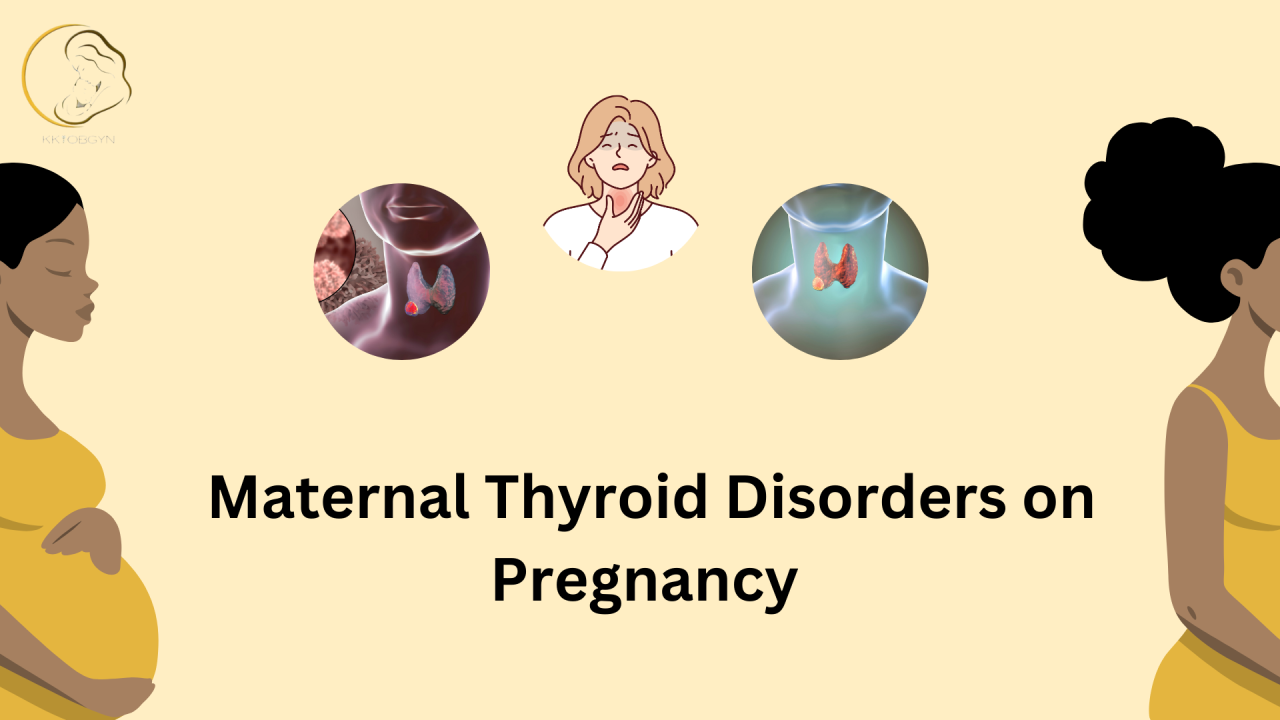
Thyroid disorders are relatively common during pregnancy and can have significant implications for both maternal and fetal health. The thyroid gland plays a crucial role in regulating metabolism, and its hormones are essential for normal fetal development. Both hypothyroidism (underactive thyroid) and hyperthyroidism (overactive thyroid) can affect pregnancy outcomes and require careful management.
Hypothyroidism: Underactive Thyroid
1. Causes and Risk Factors:
- Autoimmune Thyroiditis (Hashimoto’s Thyroiditis): The most common cause of hypothyroidism, where the immune system attacks the thyroid gland.
- Iodine Deficiency: Less common in developed countries due to iodized salt but can still be a factor in some regions.
- Previous Thyroid Surgery or Radiation Therapy: Can lead to decreased thyroid function.
2. Symptoms:
- Fatigue: Feeling unusually tired or sluggish.
- Weight Gain: Unexplained weight gain despite normal eating habits.
- Cold Intolerance: Sensitivity to cold temperatures.
- Constipation: Difficulty in bowel movements.
- Dry Skin and Hair: Skin may become rough and hair may thin.
3. Risks to Pregnancy:
- Miscarriage: Increased risk of early pregnancy loss.
- Preeclampsia: Higher risk of developing preeclampsia, a condition characterized by high blood pressure and organ dysfunction.
- Preterm Birth: Increased risk of delivering prematurely.
- Low Birth Weight: Babies may be born with a lower than average birth weight.
- Postpartum Hemorrhage: Increased risk of heavy bleeding after childbirth.
4. Diagnosis and Management:
- Thyroid Function Tests: Serum levels of thyroid-stimulating hormone (TSH) and free thyroxine (Free T4) are used to diagnose hypothyroidism.
- Treatment: Levothyroxine is the standard treatment, and dosage adjustments are made based on regular monitoring of thyroid function throughout pregnancy.
Hyperthyroidism: Overactive Thyroid
1. Causes and Risk Factors:
- Graves’ Disease: The most common cause, where the immune system produces antibodies that stimulate the thyroid gland excessively.
- Toxic Nodular Goiter: Overactive nodules within the thyroid gland.
- Thyroiditis: Inflammation of the thyroid gland which can lead to temporary hyperthyroidism.
2. Symptoms:
- Weight Loss: Unintentional weight loss despite normal or increased appetite.
- Heat Intolerance: Increased sensitivity to heat.
- Tremors: Shaking or trembling of the hands and fingers.
- Palpitations: Rapid or irregular heartbeats.
- Excessive Sweating: Increased sweating beyond what is usual.
3. Risks to Pregnancy:
- Miscarriage: Elevated risk of losing the pregnancy.
- Preterm Birth: Higher likelihood of delivering prematurely.
- Fetal Growth Restriction: Baby may be smaller than expected due to inadequate placental blood flow.
- Maternal Heart Issues: Risk of tachycardia (rapid heart rate) and other cardiac problems.
- Thyroid Storm: A rare but severe complication where excessive thyroid hormone levels lead to a life-threatening condition requiring immediate treatment.
4. Diagnosis and Management:
- Thyroid Function Tests: Elevated levels of TSH (often suppressed) and increased free T4 and/or free triiodothyronine (Free T3).
- Treatment: Antithyroid medications (such as methimazole) are used to control hyperthyroidism. Care must be taken to avoid medications that could affect the fetus. In some cases, surgery or radioactive iodine therapy may be considered after delivery.
Impact on Fetal Development
Thyroid hormones are critical for fetal brain development and overall growth. Both hypothyroidism and hyperthyroidism can adversely affect:
- Neurodevelopment: Thyroid hormones are essential for normal brain development. Imbalances can lead to developmental delays or cognitive impairments.
- Physical Development: Both conditions can impact fetal growth, leading to low birth weight or other developmental issues.
Monitoring and Follow-Up
Pregnant women with thyroid disorders require ongoing monitoring to manage their condition effectively and ensure optimal outcomes:
- Regular Thyroid Function Tests: Monitoring TSH, Free T4, and Free T3 levels to adjust medication doses and ensure appropriate thyroid hormone levels.
- Ultrasound and Fetal Monitoring: Regular ultrasounds to monitor fetal growth and development, especially if there are concerns about thyroid function.
- Specialist Care: Collaboration with an endocrinologist or maternal-fetal medicine specialist for managing complex cases.
Long-Term Outcomes and Management
Postpartum care and long-term follow-up are essential for women with thyroid disorders:
- Postpartum Monitoring: Women with a history of thyroid disorders should have their thyroid function checked postpartum to ensure that levels return to normal and to manage any residual or new thyroid issues.
- Future Pregnancies: Preconception counseling and careful management of thyroid function in subsequent pregnancies are important to minimize risks.
Emotional and Psychological Impact
Managing a thyroid disorder during pregnancy can be stressful and may affect a woman’s mental health. Support from healthcare providers, counseling, and joining support groups can help manage the psychological stress associated with thyroid disorders and pregnancy.
Conclusion: Comprehensive Care for Thyroid Disorders in Pregnancy
Thyroid disorders, whether hypothyroidism or hyperthyroidism, pose significant risks during pregnancy but can be managed effectively with timely diagnosis and appropriate treatment. By providing comprehensive care and regular monitoring, healthcare providers can help ensure better outcomes for both mother and baby. Understanding the implications of thyroid disorders and implementing effective management strategies are key to supporting women through a healthy pregnancy.
Maternal thyroid disorders are relatively common during pregnancy and require careful medical attention. Both hypothyroidism and hyperthyroidism can significantly impact maternal thyroid disorders outcomes, affecting fetal development and increasing pregnancy complications. The thyroid gland plays a crucial role in regulating metabolism, and its hormones are essential for normal fetal development. At Dr KY Kakudji's practice in Randfontein, we provide comprehensive screening and management of maternal thyroid disorders to ensure optimal outcomes for mother and baby. Early diagnosis through thyroid function tests and proper treatment with levothyroxine or antithyroid medications helps prevent miscarriage, preeclampsia, and preterm birth.