

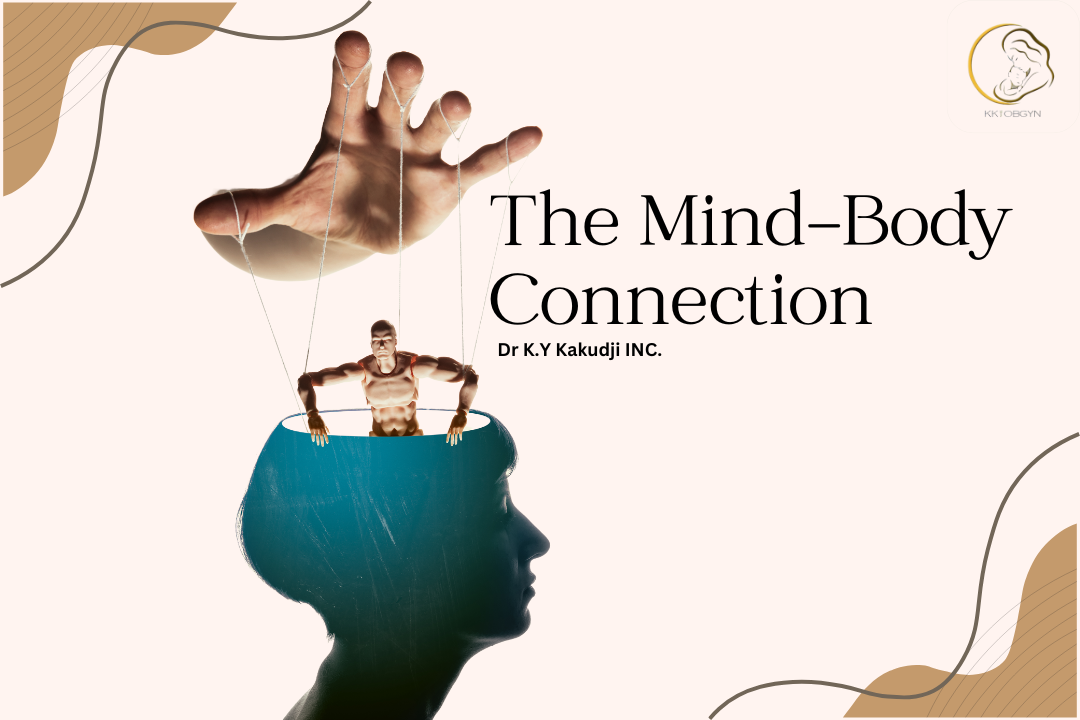
Gynecology and Mental Health: Understanding the Mind-Body Connection
Introduction
The intricate relationship between our mental and physical well-being has long fascinated researchers and healthcare professionals. In the context of gynecology, understanding the mind-body connection is crucial. Let’s delve into this fascinating interplay and explore how our thoughts, emotions, and behaviors impact our reproductive health.
What is the Mind-Body Connection?
The mind-body connection refers to the profound link between a person’s thoughts, attitudes, and behaviors and their physical health. While we’ve always recognized that emotions can affect our bodies, recent research sheds light on the intricate ways in which our mental state influences our overall well-being³. It’s a dynamic dance where our minds and bodies constantly communicate, shaping our health outcomes.
Historical Perspectives
Throughout history, various conceptions of the mind-body connection have emerged. From ancient holistic beliefs to modern scientific models, we’ve sought to understand this intricate dance. One notable model is the dual processing model, which reveals how mind-body interactions can bypass higher-level cognitive processing. In simpler terms, our bodies respond to stimuli even before our conscious minds fully process them¹.
Embodiment: The Unconscious Influence
Our bodies often react to reality without conscious awareness. This phenomenon, known as embodiment, highlights how our cognitive and emotional experiences manifest physically. Imagine feeling a knot in your stomach during a stressful situation or experiencing tension headaches due to anxiety. These bodily responses are intricately tied to our mental states, even when we’re not consciously aware of them¹.
Placebo Response: Harnessing the Mind’s Power
The placebo effect exemplifies the mind’s influence on our physical health. When patients believe they’re receiving treatment (even if it’s a sugar pill), their bodies often respond positively. The mind’s expectation triggers real physiological changes, demonstrating the mind’s potent role in healing. Understanding the placebo response helps us appreciate the mind’s ability to shape outcomes¹.
Psychoneuroimmunology and Beyond
Interdisciplinary perspectives like psychoneuroimmunology explore how our mental and emotional states impact our immune system. stress, for instance, can weaken immunity, making us more susceptible to infections. Additionally, psychosomatics and psychoanalysis delve into the mind’s role in somatic symptoms and disease processes¹.
The Gateway: Socioeconomic Status and Intelligence
Our mental processing and intelligence act as mediators between socioeconomic status and health outcomes. Education, access to resources, and cognitive abilities all play a role. As gynecologists, recognizing these factors allows us to provide holistic care that considers both the physical and mental aspects of our patients’ lives¹.
Conclusion
Gynecology isn’t just about reproductive organs; it’s about the whole person. By acknowledging the mind-body connection, we empower ourselves to provide compassionate care. Let’s continue unraveling this intricate dance—one that holds the key to women’s well-being.
At Dr KY Kakudji's practice in Randfontein, we recognize that gynecology and mental health are deeply interconnected. The mind-body connection in gynecology isn't merely theoretical—it profoundly influences reproductive health outcomes, menstrual cycles, and fertility. Understanding how stress, anxiety, and emotional wellbeing impact your gynecological health allows us to provide comprehensive care that addresses both physical symptoms and emotional factors. Our holistic approach to gynecology and mental health integration ensures that every patient receives personalized treatment considering their unique mental and physical needs.
The mind-body connection in gynecology is a critical yet often overlooked aspect of women's reproductive health. At Dr KY Kakudji's practice in Randfontein, we recognise that gynecology mental health isn't just about treating physical symptoms—it's about understanding how your thoughts, emotions, and stress levels directly affect your gynecological wellness. The intricate relationship between mental well-being and reproductive function means that addressing psychological factors is essential for comprehensive care. Our holistic approach to gynecology mental health combines clinical expertise with compassionate support, ensuring you receive treatment that addresses both your mind and body.